
Building a Kidney-Friendly Diet: Essential Foods to Include

Maintaining kidney health is essential for overall well-being, as these vital organs play a crucial role in filtering waste and excess fluids from the body. For individuals with kidney disease or those looking to prevent it, adopting a kidney-friendly diet can be immensely beneficial. This dietary approach involves managing the intake of certain nutrients to reduce strain on the kidneys while still providing essential nutrients. Here, we'll explore the essential foods to include in a kidney-friendly diet.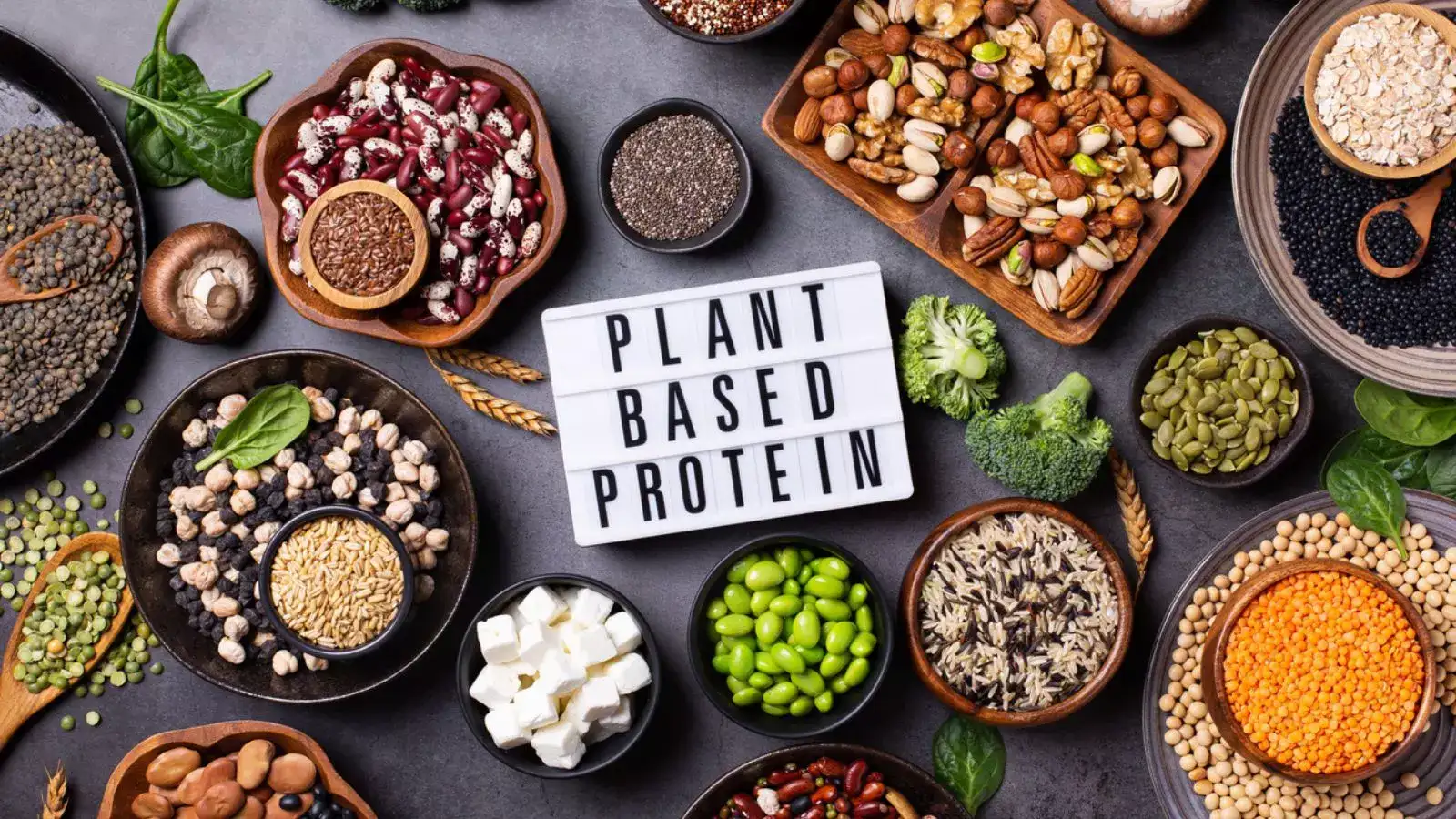
Focus on Plant-Based Proteins :
Incorporating plant-based proteins into your diet can help lessen the workload on your kidneys. Legumes such as beans, lentils, and chickpeas are excellent sources of protein and fiber while being low in sodium and phosphorus. Tofu, tempeh, and edamame are also great alternatives to animal proteins. Including a variety of these plant-based proteins in your meals ensures you receive essential nutrients without burdening your kidneys.
Opt for Low-Potassium Foods:
Potassium is a mineral that plays a significant role in maintaining healthy nerve and muscle function. However, individuals with kidney disease may need to limit their potassium intake, as impaired kidneys may struggle to excrete excess potassium from the body. Choose low-potassium foods such as apples, berries, cabbage, cauliflower, and green beans. These options provide essential nutrients without overloading your kidneys with potassium.
Monitor Phosphorus Intake:
Managing phosphorus intake is crucial for kidney health, as excess phosphorus can weaken bones and contribute to cardiovascular issues. Limit consumption of high-phosphorus foods such as processed meats, dairy products, nuts, and whole grains. Instead, opt for lower phosphorus alternatives like white bread, rice, and pasta. Additionally, soaking beans and legumes before cooking can help reduce their phosphorus content.
Control Sodium Intake:
Sodium can contribute to high blood pressure and fluid retention, placing additional strain on the kidneys. Therefore, reducing sodium intake is vital for kidney health. Avoid processed and canned foods, which are often high in sodium, and opt for fresh, whole foods instead. Flavor meals with herbs, spices, and citrus juices instead of salt. Be mindful of hidden sources of sodium in condiments, sauces, and pre-packaged snacks.
Stay Hydrated with Fluids:
Maintaining adequate hydration is essential for kidney function, as it helps flush out toxins and waste products from the body. However, individuals with kidney disease may need to monitor their fluid intake, as impaired kidneys may struggle to regulate fluid balance. Consult with a healthcare professional to determine the appropriate fluid intake for your specific condition. Opt for water as your primary beverage and limit consumption of sugary drinks and alcohol.
Include Heart-Healthy Fats:
Incorporating heart-healthy fats into your diet can provide essential nutrients and support overall health. Choose sources of unsaturated fats such as avocados, nuts, seeds, and olive oil. These fats help reduce inflammation and protect against cardiovascular disease, which is common among individuals with kidney disease. Limit intake of saturated and trans fats found in processed foods, fried foods, and fatty meats.
Building a kidney-friendly diet involves making mindful choices to support kidney health while still meeting nutritional needs. By focusing on plant-based proteins, monitoring potassium and phosphorus intake, controlling sodium consumption, staying hydrated, and including heart-healthy fats, individuals can promote optimal kidney function and overall well-being. Consulting with a registered dietitian or healthcare professional can provide personalized guidance in creating a diet that meets individual needs and supports kidney health for the long term.
Focus on Plant-Based Proteins :
Incorporating plant-based proteins into your diet can help lessen the workload on your kidneys. Legumes such as beans, lentils, and chickpeas are excellent sources of protein and fiber while being low in sodium and phosphorus. Tofu, tempeh, and edamame are also great alternatives to animal proteins. Including a variety of these plant-based proteins in your meals ensures you receive essential nutrients without burdening your kidneys.
Opt for Low-Potassium Foods:
Potassium is a mineral that plays a significant role in maintaining healthy nerve and muscle function. However, individuals with kidney disease may need to limit their potassium intake, as impaired kidneys may struggle to excrete excess potassium from the body. Choose low-potassium foods such as apples, berries, cabbage, cauliflower, and green beans. These options provide essential nutrients without overloading your kidneys with potassium.
You may also like
- Quote of the day by Helen Keller: “Life is either a daring adventure or nothing”; the travel lesson from a woman who travelled across 35 countries without sight or sound
- At 92, Hyderabad gynaecologist Dr Suri Srimathi still performs surgeries after six decades in medicine: 'We cannot refuse to treat people when they need help', she says
- How Will the Mumbai-Ahmedabad Bullet Train Stop Safely at 320 km/h During an Earthquake?
- Kitchen Cleaning Tips: How to clean the gap between the gas stove and the stove? Note this 1 trick.
- Rubella Virus in Jharkhand: Rubella virus found in Jharkhand; learn about its symptoms and prevention methods
Monitor Phosphorus Intake:
Managing phosphorus intake is crucial for kidney health, as excess phosphorus can weaken bones and contribute to cardiovascular issues. Limit consumption of high-phosphorus foods such as processed meats, dairy products, nuts, and whole grains. Instead, opt for lower phosphorus alternatives like white bread, rice, and pasta. Additionally, soaking beans and legumes before cooking can help reduce their phosphorus content.
Control Sodium Intake:
Sodium can contribute to high blood pressure and fluid retention, placing additional strain on the kidneys. Therefore, reducing sodium intake is vital for kidney health. Avoid processed and canned foods, which are often high in sodium, and opt for fresh, whole foods instead. Flavor meals with herbs, spices, and citrus juices instead of salt. Be mindful of hidden sources of sodium in condiments, sauces, and pre-packaged snacks.
Stay Hydrated with Fluids:
Maintaining adequate hydration is essential for kidney function, as it helps flush out toxins and waste products from the body. However, individuals with kidney disease may need to monitor their fluid intake, as impaired kidneys may struggle to regulate fluid balance. Consult with a healthcare professional to determine the appropriate fluid intake for your specific condition. Opt for water as your primary beverage and limit consumption of sugary drinks and alcohol.
Include Heart-Healthy Fats:
Incorporating heart-healthy fats into your diet can provide essential nutrients and support overall health. Choose sources of unsaturated fats such as avocados, nuts, seeds, and olive oil. These fats help reduce inflammation and protect against cardiovascular disease, which is common among individuals with kidney disease. Limit intake of saturated and trans fats found in processed foods, fried foods, and fatty meats.
Building a kidney-friendly diet involves making mindful choices to support kidney health while still meeting nutritional needs. By focusing on plant-based proteins, monitoring potassium and phosphorus intake, controlling sodium consumption, staying hydrated, and including heart-healthy fats, individuals can promote optimal kidney function and overall well-being. Consulting with a registered dietitian or healthcare professional can provide personalized guidance in creating a diet that meets individual needs and supports kidney health for the long term.






Loving Newspoint? Download the app now
