
Cactus Watering Guide: Top 5 Mistakes And How To Avoid Them

Cacti are known for their low-maintenance nature and eye-catching aesthetic, making them ideal for both beginners and seasoned plant lovers. However, even the toughest cactus can suffer if it's not watered correctly.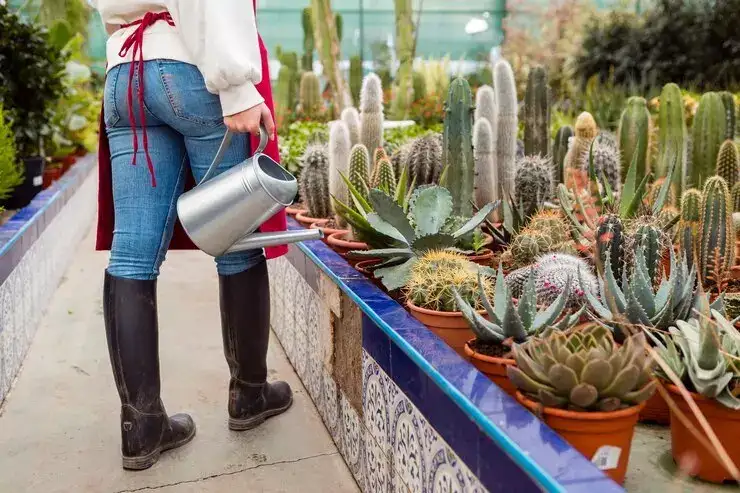
In this guide, we’ll highlight the top five watering mistakes that often lead to unhealthy or dying cacti—along with easy solutions to help your desert plant thrive.
1. Overwatering: The Most Common Cactus Killer
Cacti naturally grow in arid environments and require far less water than typical houseplants. Overwatering leads to soggy soil, root rot, and ultimately, plant death.
Fix: Let the soil dry out completely between waterings. Always use pots with drainage holes and a gritty, well-draining mix to mimic desert conditions.
2. Using the Wrong Soil Mix
Ordinary potting soil holds too much moisture for cacti and succulents.
Fix: Use a cactus-specific potting mix, or make your own by combining equal parts of regular potting soil with coarse sand, perlite, or pumice to improve drainage.
3. Watering at the Wrong Time of Day
Watering your cactus during the hottest part of the day can cause the water to evaporate too quickly and may even lead to sunburn on wet plant surfaces.
Fix: Water your cactus in the early morning when the temperature is cooler and water absorption is more efficient.
4. Not Adjusting Watering with the Seasons
Cactus growth slows significantly in the winter, meaning it needs less water than during the spring or summer.
Fix: Reduce watering frequency in colder months. Resume regular watering once the weather warms and the plant starts actively growing again.
5. Ignoring Humidity and Indoor Climate
If your home has air conditioning or very dry indoor air, your cactus might lose moisture faster than expected.
Fix: Monitor your home's humidity and adjust watering frequency accordingly. Use a moisture meter or simply check the soil with your finger before watering.
By steering clear of these common mistakes, you can keep your cactus healthy, vibrant, and thriving for years to come. Whether placed on a sunny windowsill or used as a modern decor piece, your cactus will thank you with slow but steady growth.
In this guide, we’ll highlight the top five watering mistakes that often lead to unhealthy or dying cacti—along with easy solutions to help your desert plant thrive.
1. Overwatering: The Most Common Cactus Killer
Cacti naturally grow in arid environments and require far less water than typical houseplants. Overwatering leads to soggy soil, root rot, and ultimately, plant death.
Fix: Let the soil dry out completely between waterings. Always use pots with drainage holes and a gritty, well-draining mix to mimic desert conditions.
2. Using the Wrong Soil Mix
Ordinary potting soil holds too much moisture for cacti and succulents.
Fix: Use a cactus-specific potting mix, or make your own by combining equal parts of regular potting soil with coarse sand, perlite, or pumice to improve drainage.
3. Watering at the Wrong Time of Day
Watering your cactus during the hottest part of the day can cause the water to evaporate too quickly and may even lead to sunburn on wet plant surfaces.
Fix: Water your cactus in the early morning when the temperature is cooler and water absorption is more efficient.
4. Not Adjusting Watering with the Seasons
Cactus growth slows significantly in the winter, meaning it needs less water than during the spring or summer.
Fix: Reduce watering frequency in colder months. Resume regular watering once the weather warms and the plant starts actively growing again.
5. Ignoring Humidity and Indoor Climate
If your home has air conditioning or very dry indoor air, your cactus might lose moisture faster than expected.
Fix: Monitor your home's humidity and adjust watering frequency accordingly. Use a moisture meter or simply check the soil with your finger before watering.
By steering clear of these common mistakes, you can keep your cactus healthy, vibrant, and thriving for years to come. Whether placed on a sunny windowsill or used as a modern decor piece, your cactus will thank you with slow but steady growth.
Next Story