
Can Handwriting Reveal Personality Traits and Mood? Fun Facts That Will Surprise You

Your handwriting can reveal personality traits and mood in ways you may never have imagined. Beyond words and sentences, the way you write quietly reflects your emotions, confidence level and mental state. From the size of your letters to the pressure of your pen, handwriting acts as a subtle mirror of your inner self.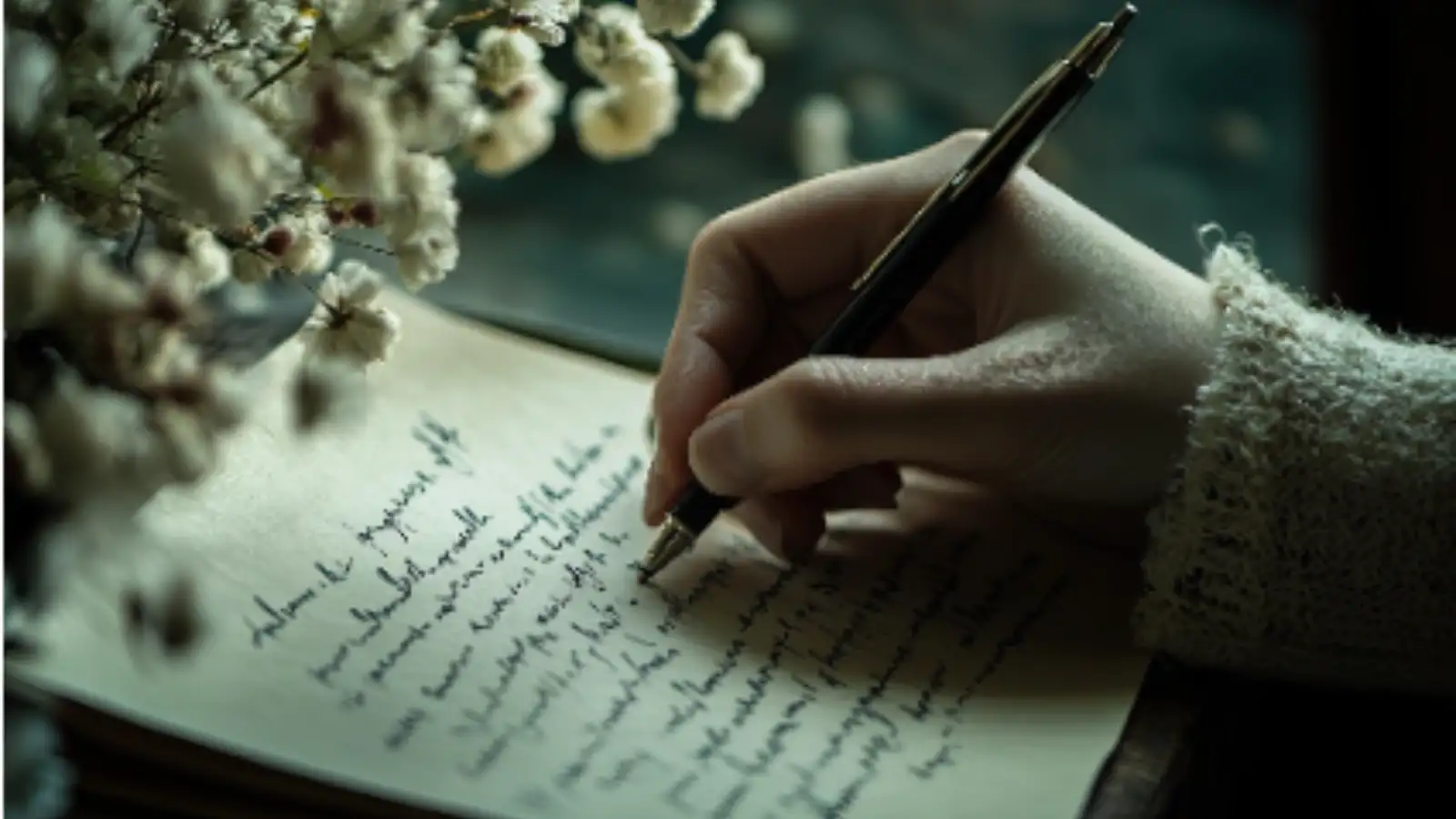
This fascinating connection between writing and behaviour is explored through graphology, a field that studies how writing patterns link to personality. While you may not notice it, your handwriting changes with your mood, stress levels and even energy - turning everyday writing into a personal emotional signature.
1. Letter Size and Personality
Large letters
Suggest confidence, sociability and a desire to stand out.
Small letters
Linked with focus, intelligence and an introverted nature.
Medium-sized letters
Reflect balance, adaptability and practical thinking.
2. Writing Pressure and Emotional Strength
Heavy pressure
Indicates strong emotions, determination and a powerful will.
Light pressure
Points to sensitivity, calmness and a relaxed outlook on life.
3. Spacing Between Words
Wide gaps
Show independence and a strong need for personal space.
Narrow gaps
Suggest closeness, emotional bonding and team-oriented thinking.
4. Slant of Letters and Emotional Expression
Right-leaning letters
Reveal warmth, openness and emotional expressiveness.
Left-leaning letters
Reflect self-control, privacy and deep introspection.
Straight letters
Indicate logic, discipline and organised thinking.
Even writing speed matters. Fast writers are usually energetic and impatient, while slow writers tend to be calm, thoughtful and detail-oriented.
Fun and Surprising Handwriting Facts
This fascinating connection between writing and behaviour is explored through graphology, a field that studies how writing patterns link to personality. While you may not notice it, your handwriting changes with your mood, stress levels and even energy - turning everyday writing into a personal emotional signature.
What Your Handwriting Says About You
Every stroke and curve carries meaning. Here’s how different handwriting traits are commonly interpreted.1. Letter Size and Personality
Large letters
Suggest confidence, sociability and a desire to stand out.
Small letters
Linked with focus, intelligence and an introverted nature.
Medium-sized letters
Reflect balance, adaptability and practical thinking.
2. Writing Pressure and Emotional Strength
Heavy pressure
Indicates strong emotions, determination and a powerful will.
Light pressure
Points to sensitivity, calmness and a relaxed outlook on life.
3. Spacing Between Words
Wide gaps
Show independence and a strong need for personal space.
Narrow gaps
Suggest closeness, emotional bonding and team-oriented thinking.
4. Slant of Letters and Emotional Expression
Right-leaning letters
Reveal warmth, openness and emotional expressiveness.
Left-leaning letters
Reflect self-control, privacy and deep introspection.
Straight letters
Indicate logic, discipline and organised thinking.
How Your Mood Changes Your Handwriting
Your emotional state has a direct impact on how you write:- When happy – letters appear smooth, rounded and flowing
- When sad or tired – writing may look shaky or uneven
- When stressed or angry – strokes often become sharp and heavy
Even writing speed matters. Fast writers are usually energetic and impatient, while slow writers tend to be calm, thoughtful and detail-oriented.
Fun and Surprising Handwriting Facts
- Handwriting analysis can reflect thousands of personality traits
- In some countries, graphology is used in psychological assessments and recruitment
- Your writing style can change with age, mood, health or even the pen you use
- No two people have identical handwriting - it’s as unique as a fingerprint
Why Your Handwriting Is More Than Just Writing
Your handwriting is not just a habit; it’s a visual expression of your thoughts and emotions. Every curve, pause and slant tells a small story about who you are at that moment. So the next time you pick up a pen, remember - your handwriting is quietly speaking for you, even before your words are read.Next Story