
Navigating Winter Wellness: The Curious Case Of Curd Consumption

As winter blankets the world in a crisp chill, dietary choices often come under scrutiny. In this season of contrasting temperatures, one common question that arises is whether we should include curd in our winter diet. Curd, a versatile dairy product, has been a staple in many cultures for centuries.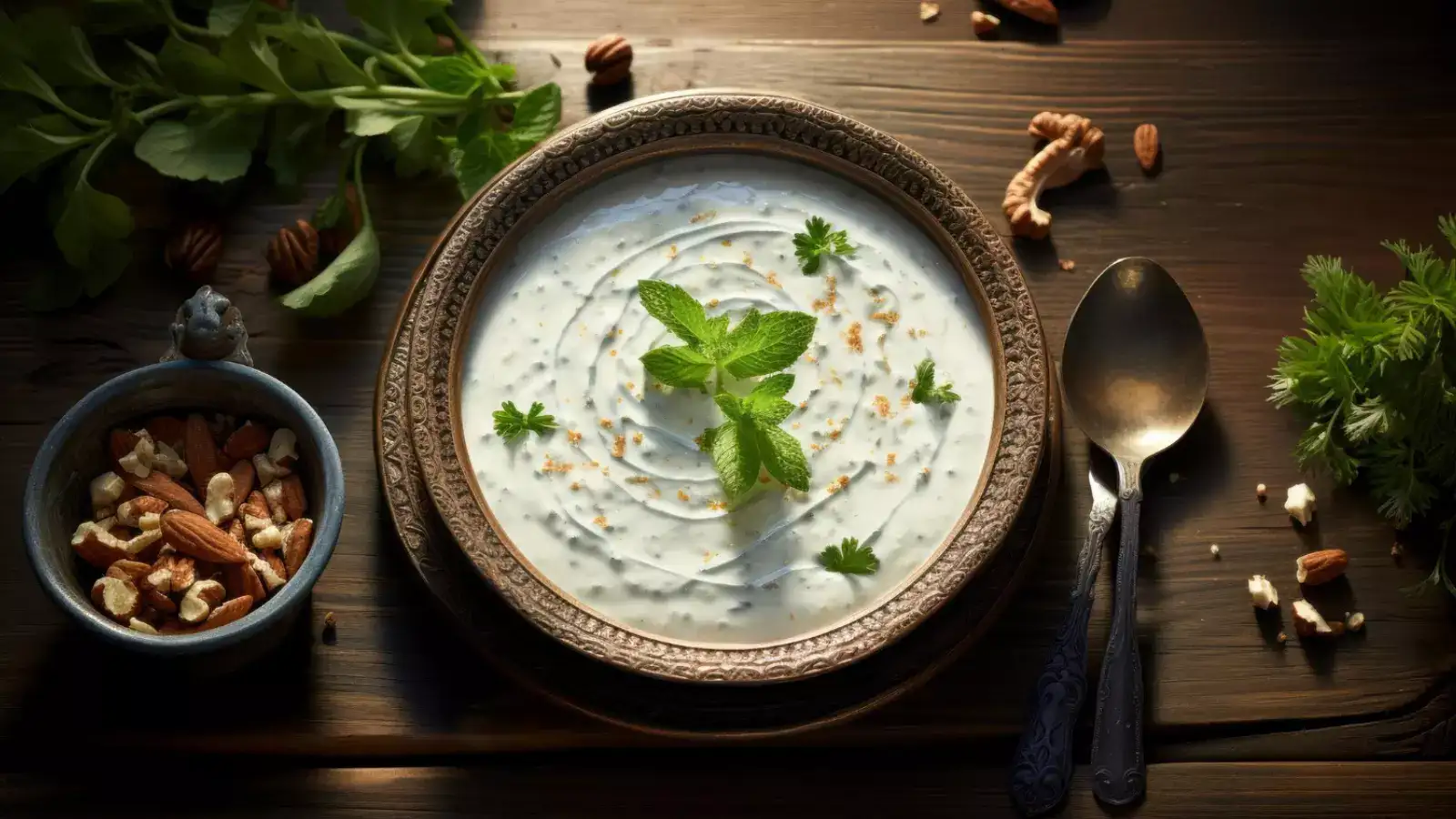
In the complex tapestry of winter dietary choices, the inclusion of curd requires thoughtful consideration. Balanced consumption, mindful of individual health conditions, can unlock its potential benefits while mitigating possible side effects. As the frosty season unfolds, embracing curd in a judicious manner may just be the key to a healthy and hearty winter.
The decision to eat curd in winter boils down to personal preferences, health considerations, and an understanding of one's own body. So, whether you're stirring it into a comforting bowl of soup or enjoying it as a side dish, let your winter diet be a harmonious blend of nutrition and indulgence.
1. The Warmth Within: Benefits of Eating Curd in Winter
Curd, a rich source of probiotics, can be a nutritional powerhouse during the winter months. Probiotics, often referred to as 'good bacteria,' contribute to a healthy gut flora, boosting the immune system. This can be particularly advantageous in winter, when colds and flu are prevalent. Additionally, curd is packed with essential nutrients like calcium, vitamin D, and protein, aiding in bone health and muscle strength. Its versatility allows for various culinary applications, making it an appealing and nutritious addition to winter meals.
2. Chilling Effects: Potential Side Effects of Excessive Curd Consumption
While curd boasts numerous health benefits, it's essential to be mindful of potential side effects, especially when consumed in excess. For individuals with lactose intolerance, overindulgence in curd may lead to digestive discomfort, bloating, and gas. Additionally, curd's cooling nature might not be suitable for everyone during the winter, especially those prone to feeling cold easily. Moderation is key, as excessive consumption may offset the digestive balance and contribute to imbalances in the body's internal temperature regulation.
3. Striking the Balance: Right Ways to Consume Curd in Winter
To enjoy the benefits of curd without succumbing to its potential side effects, it's crucial to strike a balance in consumption. Opting for lukewarm or room temperature curd instead of chilled versions can help mitigate its cooling effects. Incorporating curd into meals rather than consuming it in isolation can aid digestion. Combining it with warming spices like ginger or adding seasonal fruits can enhance both flavour and nutritional value. Choosing quality curd, preferably homemade or from trusted sources, ensures a higher probiotic content, maximising its health benefits.
4. Dietary Considerations: Who Should and Shouldn't Consume Curd in Winter
Individual dietary needs and health conditions play a significant role in determining whether curd is a suitable addition to one's winter diet. Those with lactose intolerance or dairy allergies should exercise caution, considering alternative sources of probiotics. People with a predominantly Kapha dosha constitution in Ayurveda may need to limit curd intake due to its cooling properties. On the other hand, individuals with a Pitta dosha constitution may benefit from moderate consumption, while those with a Vata dosha may find curd grounding and nourishing in winter.
In the complex tapestry of winter dietary choices, the inclusion of curd requires thoughtful consideration. Balanced consumption, mindful of individual health conditions, can unlock its potential benefits while mitigating possible side effects. As the frosty season unfolds, embracing curd in a judicious manner may just be the key to a healthy and hearty winter.
The decision to eat curd in winter boils down to personal preferences, health considerations, and an understanding of one's own body. So, whether you're stirring it into a comforting bowl of soup or enjoying it as a side dish, let your winter diet be a harmonious blend of nutrition and indulgence.
You may also like
- Government's major decision on low-quality screen guards: Here's what changes for users
- Allu Arjun's Raaka Makes Guinness World Records History With Real-Time Motion Capture
- OTT Releases This Week: Shaque, Toxic, Rise And Fall 2 and More to Watch
- Celebration of Pune's vibrant cultural heritage
- Can Too Much Fiber Cause Gas and Bloating? Know How to Increase Fiber Without Digestive Trouble
1. The Warmth Within: Benefits of Eating Curd in Winter
Curd, a rich source of probiotics, can be a nutritional powerhouse during the winter months. Probiotics, often referred to as 'good bacteria,' contribute to a healthy gut flora, boosting the immune system. This can be particularly advantageous in winter, when colds and flu are prevalent. Additionally, curd is packed with essential nutrients like calcium, vitamin D, and protein, aiding in bone health and muscle strength. Its versatility allows for various culinary applications, making it an appealing and nutritious addition to winter meals.
2. Chilling Effects: Potential Side Effects of Excessive Curd Consumption
While curd boasts numerous health benefits, it's essential to be mindful of potential side effects, especially when consumed in excess. For individuals with lactose intolerance, overindulgence in curd may lead to digestive discomfort, bloating, and gas. Additionally, curd's cooling nature might not be suitable for everyone during the winter, especially those prone to feeling cold easily. Moderation is key, as excessive consumption may offset the digestive balance and contribute to imbalances in the body's internal temperature regulation.
3. Striking the Balance: Right Ways to Consume Curd in Winter
To enjoy the benefits of curd without succumbing to its potential side effects, it's crucial to strike a balance in consumption. Opting for lukewarm or room temperature curd instead of chilled versions can help mitigate its cooling effects. Incorporating curd into meals rather than consuming it in isolation can aid digestion. Combining it with warming spices like ginger or adding seasonal fruits can enhance both flavour and nutritional value. Choosing quality curd, preferably homemade or from trusted sources, ensures a higher probiotic content, maximising its health benefits.
4. Dietary Considerations: Who Should and Shouldn't Consume Curd in Winter
Individual dietary needs and health conditions play a significant role in determining whether curd is a suitable addition to one's winter diet. Those with lactose intolerance or dairy allergies should exercise caution, considering alternative sources of probiotics. People with a predominantly Kapha dosha constitution in Ayurveda may need to limit curd intake due to its cooling properties. On the other hand, individuals with a Pitta dosha constitution may benefit from moderate consumption, while those with a Vata dosha may find curd grounding and nourishing in winter.






Loving Newspoint? Download the app now
