
Can You Drive During Pregnancy? Safety Tips for Every Trimester


Pregnancy does not automatically mean you need to stop driving. However, nausea, fatigue, dizziness and changes in your body can affect your concentration and comfort as pregnancy progresses.
Dr M. V. Jyothsna, Consultant Obstetrician & Gynaecologist at Yashoda Hospitals, Hyderabad, explains that driving is generally safe when pregnancy is progressing normally, and you feel comfortable, alert and physically able to control the vehicle. Recognising your limits and following safety measures can help reduce unnecessary risks.
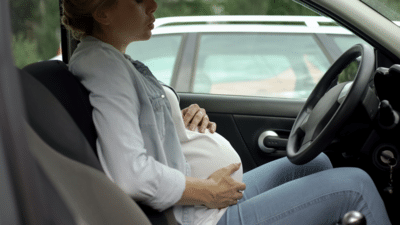
Is Driving Safe During Pregnancy?Yes, you can generally drive during an uncomplicated pregnancy if you can operate the vehicle safely. However, your symptoms, comfort and ability to concentrate matter more than the trimester alone.
Some medicines can cause drowsiness or impair reaction time. Check their effects before driving and consult your healthcare professional if you are unsure about their safety.

Driving Safety Tips for Each TrimesterThe following are the expert-advised tips for safe driving during pregnancy:
1. First trimester
Nausea, vomiting, dizziness and fatigue can make driving difficult, particularly when symptoms are severe.
Dr Jyothsna advises avoiding driving if you feel light-headed, excessively tired or unable to concentrate. Keep water and light snacks available, and take breaks during longer journeys. Arrange alternative transport if your symptoms make driving unsafe.
2. Second trimester
Many women find driving more comfortable during this period, as early pregnancy symptoms may settle. However, fatigue and back discomfort can still affect concentration.
Dr Jyothsna recommends adjusting your seat so you can reach the pedals comfortably while maintaining an adequate distance from the steering wheel. Ensure you can operate the controls and check your blind spots without difficulty.
3. Third trimester
As your abdomen grows, movement and visibility may become restricted. Back pain, pelvic discomfort and tiredness can also make driving less comfortable.
Dr Jyothsna explains that having someone else drive is preferable if you cannot turn comfortably to check blind spots, reach the controls properly or maintain a safe distance from the steering wheel.
Avoid driving if you experience contractions, bleeding, leaking fluid, dizziness or other concerning symptoms.
How Should You Wear a Seat Belt During Pregnancy?A seat belt remains essential throughout pregnancy. Dr Jyothsna recommends wearing a three-point seat belt correctly:
Keep airbags switched on and position your seat safely, maintaining as much distance from the steering wheel as practical while retaining full control of the vehicle.
When Should You Avoid Driving During Pregnancy?Avoid driving if you experience:
Any pregnancy complication that makes driving unsafe. For longer journeys, Dr Jyothsna advises taking regular breaks to walk and stretch, staying hydrated and avoiding driving when tired or distracted. Consult your obstetrician before long-distance travel, particularly if you have a high-risk pregnancy.
You can generally continue driving during an uncomplicated pregnancy if you feel well enough to control the vehicle safely. However, consult your obstetrician for personalised guidance when symptoms or complications affect your ability to drive.
Whether you’re pregnant, a new mom, or navigating postpartum, you don’t have to do it alone. Join our support group to connect, share, and support one another.
FAQs on Can You Drive During Pregnancy? Safety Tips for Every TrimesterCan I drive in the third trimester?
Yes, if you feel comfortable, you can check blind spots and can control the vehicle safely. Otherwise, arrange alternative transport. Can the seat belt hurt my baby during pregnancy?
A correctly positioned seat belt helps protect you and your baby during a collision. Keep the lap belt below your bump and the shoulder belt across your chest.Should I stop driving on a particular week of pregnancy?
There is no single week when everyone must stop driving. Consider your symptoms, comfort, ability to control the vehicle and any pregnancy complications.
Dr M. V. Jyothsna, Consultant Obstetrician & Gynaecologist at Yashoda Hospitals, Hyderabad, explains that driving is generally safe when pregnancy is progressing normally, and you feel comfortable, alert and physically able to control the vehicle. Recognising your limits and following safety measures can help reduce unnecessary risks.
Is Driving Safe During Pregnancy?Yes, you can generally drive during an uncomplicated pregnancy if you can operate the vehicle safely. However, your symptoms, comfort and ability to concentrate matter more than the trimester alone.
Some medicines can cause drowsiness or impair reaction time. Check their effects before driving and consult your healthcare professional if you are unsure about their safety.
Driving Safety Tips for Each TrimesterThe following are the expert-advised tips for safe driving during pregnancy:
1. First trimester
Nausea, vomiting, dizziness and fatigue can make driving difficult, particularly when symptoms are severe.
Dr Jyothsna advises avoiding driving if you feel light-headed, excessively tired or unable to concentrate. Keep water and light snacks available, and take breaks during longer journeys. Arrange alternative transport if your symptoms make driving unsafe.
2. Second trimester
Many women find driving more comfortable during this period, as early pregnancy symptoms may settle. However, fatigue and back discomfort can still affect concentration.
Dr Jyothsna recommends adjusting your seat so you can reach the pedals comfortably while maintaining an adequate distance from the steering wheel. Ensure you can operate the controls and check your blind spots without difficulty.
3. Third trimester
As your abdomen grows, movement and visibility may become restricted. Back pain, pelvic discomfort and tiredness can also make driving less comfortable.
Dr Jyothsna explains that having someone else drive is preferable if you cannot turn comfortably to check blind spots, reach the controls properly or maintain a safe distance from the steering wheel.
Avoid driving if you experience contractions, bleeding, leaking fluid, dizziness or other concerning symptoms.
How Should You Wear a Seat Belt During Pregnancy?A seat belt remains essential throughout pregnancy. Dr Jyothsna recommends wearing a three-point seat belt correctly:
- Lap belt: Position it low across your hips, below your abdomen, rather than across your bump.
- Shoulder belt: Keep it across your chest and between your breasts.
- Correct positioning: Never place the shoulder belt behind your back or under your arm.
When Should You Avoid Driving During Pregnancy?Avoid driving if you experience:
- Severe dizziness, fainting or extreme fatigue.
- Heavy vaginal bleeding or severe abdominal pain.
- Painful or regular contractions.
- Leakage of fluid that could indicate your waters have broken.
- Significant visual changes or a severe headache.
You can generally continue driving during an uncomplicated pregnancy if you feel well enough to control the vehicle safely. However, consult your obstetrician for personalised guidance when symptoms or complications affect your ability to drive.
Whether you’re pregnant, a new mom, or navigating postpartum, you don’t have to do it alone. Join our support group to connect, share, and support one another.
FAQs on Can You Drive During Pregnancy? Safety Tips for Every Trimester
Yes, if you feel comfortable, you can check blind spots and can control the vehicle safely. Otherwise, arrange alternative transport.
A correctly positioned seat belt helps protect you and your baby during a collision. Keep the lap belt below your bump and the shoulder belt across your chest.
There is no single week when everyone must stop driving. Consider your symptoms, comfort, ability to control the vehicle and any pregnancy complications.
Next Story