
Can You Keep Two Different Species Together? What Pet Owners Should Know First

Sharing a home with more than one type of pet can be rewarding, but putting different species together requires careful planning. A dog and cat may eventually become comfortable companions, while a predator and prey animal could face serious risks even if they appear calm at first. According to animal behaviour experts, species compatibility depends heavily on individual temperament, instincts, age, size and living conditions. Before bringing two different animals into the same space, owners should understand their natural behaviour and be prepared to keep them apart if necessary.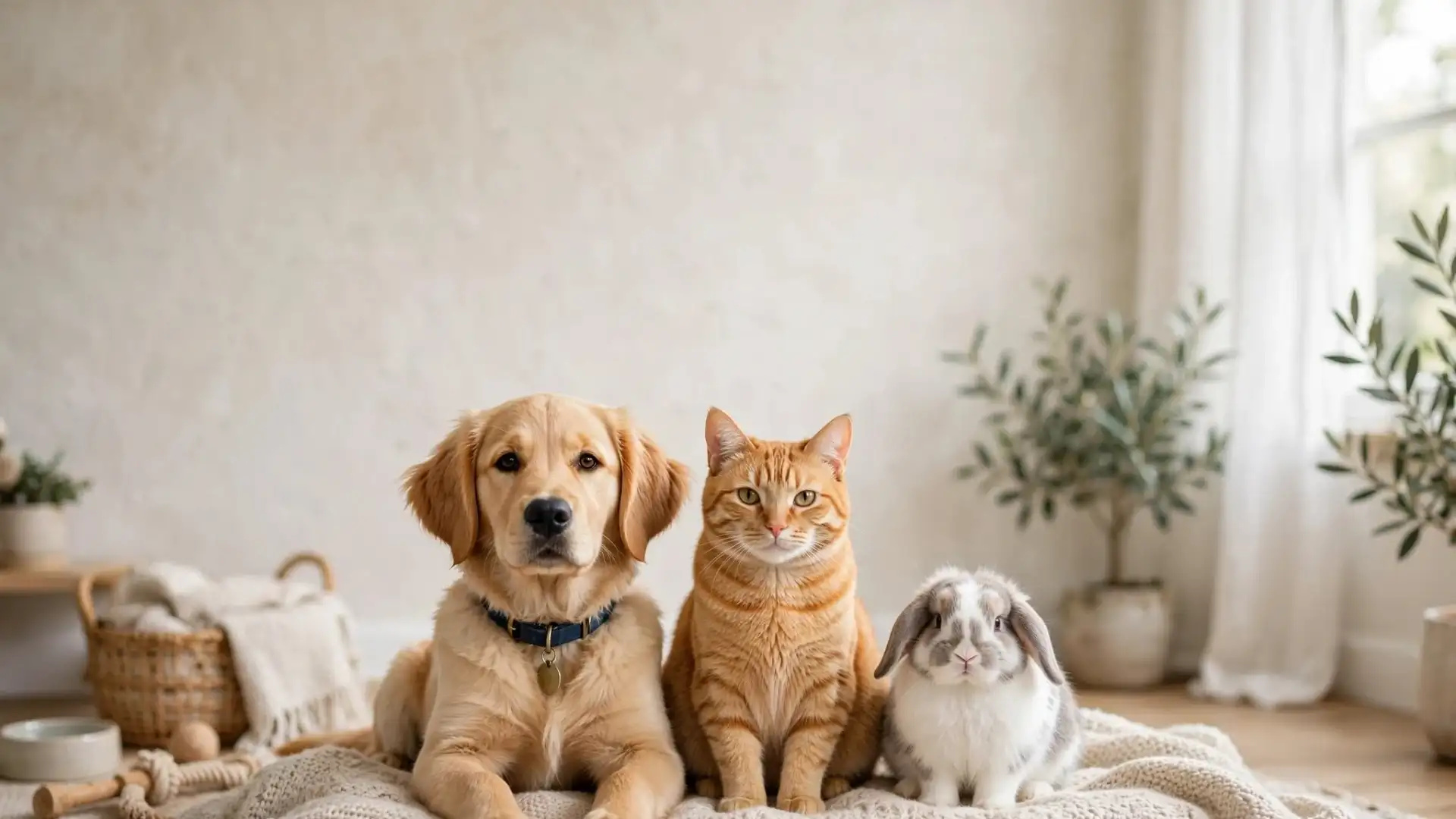
The introduction is important. Giving each animal a separate area initially and allowing them to become familiar with the other's scent can make the process more manageable.
A dog's prey drive and a cat's temperament also matter. Never assume that two animals will automatically get along simply because they have lived with other pets before.
Even a cat that seems relaxed around a rabbit could react suddenly to movement. A rabbit can also become stressed by the presence of a predator.
According to animal welfare specialists, secure housing and supervised interaction are essential where such species are kept under the same roof.
Keeping small pets in secure enclosures and preventing unsupervised access is therefore important.
The same principle applies to other combinations involving animals with a significant difference in size or natural predator-prey relationships.
Cats can be highly interested in birds, while some dogs may chase them. A sturdy cage and a separate, secure room can provide protection.
Birds can also experience stress from constant exposure to predators, even when there is no physical contact.
Space matters too. Each pet should have somewhere it can retreat, eat and rest without being disturbed.
Food and resources should generally be managed separately, particularly during the early stages of an introduction. Owners should also monitor body language for signs of fear, aggression or stress.
If there is persistent aggression, chasing, fear or injury, separate the animals immediately. For difficult cases, advice from a qualified veterinarian or animal behaviour professional can help determine the safest arrangement.
Ultimately, different species can share a home in some circumstances, but successful multi-species pet ownership depends on respecting natural instincts and giving every animal a safe environment.
Image Courtesy: Meta AI
Dogs And Cats Can Sometimes Coexist
Dogs and cats are among the most common examples of different species living in the same household. Many can learn to tolerate or even enjoy each other's company.The introduction is important. Giving each animal a separate area initially and allowing them to become familiar with the other's scent can make the process more manageable.
A dog's prey drive and a cat's temperament also matter. Never assume that two animals will automatically get along simply because they have lived with other pets before.
Cats And Rabbits Need Extra Care
Cats and rabbits can potentially share a household, but direct interaction requires caution. Cats are natural predators, while rabbits are prey animals.Even a cat that seems relaxed around a rabbit could react suddenly to movement. A rabbit can also become stressed by the presence of a predator.
According to animal welfare specialists, secure housing and supervised interaction are essential where such species are kept under the same roof.
Dogs And Small Animals Can Be Risky
Guinea pigs, hamsters, mice and other small pets can be vulnerable around dogs. A dog may injure a small animal through chasing, grabbing or rough play, even without intending to cause harm.Keeping small pets in secure enclosures and preventing unsupervised access is therefore important.
The same principle applies to other combinations involving animals with a significant difference in size or natural predator-prey relationships.
Birds And Other Pets Require Separate Spaces
Birds can live in households with dogs or cats, but this does not mean they should have unrestricted access to one another.Cats can be highly interested in birds, while some dogs may chase them. A sturdy cage and a separate, secure room can provide protection.
Birds can also experience stress from constant exposure to predators, even when there is no physical contact.
What Should Owners Consider?
Temperament is one of the biggest factors. A calm individual animal may behave very differently from another member of the same species.You may also like
- Quote of the Day by Confucius: "By three methods we may learn wisdom, first, by reflection, which is noblest; second, by imitation, which is...."
- 'You didn't come first': Suriya's powerful message to parents about ranks, pressure, and letting children be children
- Meet Mary Anning, the girl who found “sea monsters” buried in England's cliffs and changed what scientists knew about Earth
- Beyond the plate: Why your child might still be low in iron and how to fix it
- Principles of Acharya Chanakya : It will be easy to identify a liar, just remember these 5 principles of Acharya Chanakya
Space matters too. Each pet should have somewhere it can retreat, eat and rest without being disturbed.
Food and resources should generally be managed separately, particularly during the early stages of an introduction. Owners should also monitor body language for signs of fear, aggression or stress.
Never Force An Interaction
Some animals may never become suitable companions, and that is perfectly acceptable. The goal should be safe coexistence rather than forcing two species to interact.If there is persistent aggression, chasing, fear or injury, separate the animals immediately. For difficult cases, advice from a qualified veterinarian or animal behaviour professional can help determine the safest arrangement.
Ultimately, different species can share a home in some circumstances, but successful multi-species pet ownership depends on respecting natural instincts and giving every animal a safe environment.
Image Courtesy: Meta AI






Loving Newspoint? Download the app now
