
Can Your Facial Expressions Cause Wrinkles? Here's How


Every time you smile, frown, squint, or raise your eyebrows, your skin moves with your facial muscles. When you are young, your skin usually bounces back after each expression.
But over the years, that recovery becomes slower.
The result? A temporary expression line can gradually become a fine line that stays even when your face is completely relaxed.
So, what exactly happens beneath the surface?
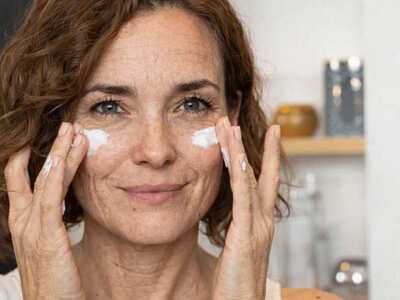
What Happens to Your Skin When You Smile?Your skin has three major layers: the epidermis, dermis, and subcutaneous tissue. The dermis, which sits beneath the epidermis, contains collagen, elastin, fibroblasts, blood vessels, and other structures that give skin much of its strength and flexibility.
When you smile or laugh, facial muscles contract and pull the skin along with them.
For example:
In younger skin, the elastic network helps the tissue return to its original position once the expression disappears. Think of it like a soft elastic band: stretch it, release it, and it springs back.
Over time, however, that spring-back becomes less efficient.
Why Do Expression Lines Stop Disappearing?This is where ageing and environmental damage enter the picture.
As we get older, collagen production gradually declines, while the structure and function of elastin become less efficient. Fibroblasts, the cells responsible for producing important components of the extracellular matrix, also become less active.
Repeated muscle movement continues, but the skin's ability to recover between movements decreases.
At first, you may notice a line only when you smile or frown.
Eventually, the skin may not completely smooth out after the expression ends.
A dynamic line can then gradually become a static line.
In simple terms:
Expression → temporary fold → repeated folding → slower recovery → persistent crease
That is why the fine line you notice today may have started as nothing more than a temporary expression years ago.
Why Some Facial Lines Are Deeper Than OthersNot every facial line develops in the same way.
The depth and appearance of a wrinkle depend on several factors, including:
Your face has its own anatomy, so your wrinkles do too.
For example, the skin around the eyes is particularly thin and can show expression lines relatively easily. The cheeks have more underlying soft tissue, which provides greater cushioning.
Nasolabial folds are different again. They are influenced not only by skin movement but also by changes in facial volume, tissue movement, and the structures that anchor the skin.
It's Not Just the Dermis: Three Layers Play a RoleWhen a facial line becomes more noticeable with age, it is rarely caused by one factor alone.
1. The DermisThe dermis provides much of the skin's structural support.
With age, collagen production decreases, elastin becomes less effective, and changes in the extracellular matrix can reduce the skin's ability to stretch and rebound.
This is where repeated facial movement can eventually leave a more permanent mark.
2. Facial FatUnderneath the skin is a network of separate fat compartments rather than one continuous layer of fat.
These compartments can change in volume and position as we age.
Some areas lose volume, while others may descend or become more prominent. As this happens, the skin above them can drape differently.
A line that once looked like a simple wrinkle may eventually appear deeper because of the shadow and structural change beneath it.
3. Retaining LigamentsThe face also contains fibrous structures called retaining ligaments. These help anchor the skin and soft tissue to deeper structures.
As surrounding tissues change with age, these attachment points can become more noticeable.
This is one reason an ageing facial fold isn't always simply a "wrinkle."
Different layers can contribute to the same visible line.
Which Facial Lines Tend to Become Permanent First?Expression lines are also known as dynamic wrinkles because they appear or become more noticeable when the face moves.
Over time, some can become static wrinkles, meaning they remain visible even when the face is at rest.
Common examples include:
Forehead LinesRepeated eyebrow-raising can contribute to horizontal lines across the forehead.
Frown LinesRepeated contraction of the muscles between the eyebrows can contribute to vertical lines in the glabellar area.
Crow's FeetFrequent smiling and squinting can contribute to fine lines around the eyes.
These changes can become more noticeable when the skin has also experienced significant environmental stress, particularly UV exposure.
How Does Sun Exposure Make Expression Lines Worse?Expression isn't the only factor ageing your skin.
UV radiation can accelerate photoageing, causing changes to collagen and the extracellular matrix. UV exposure can also increase the activity of enzymes known as matrix metalloproteinases (MMPs), which are involved in breaking down components of the skin's structural support.
Over years, repeated UV exposure can therefore make skin less resilient.
This means two people with similar facial expressions may not develop lines at exactly the same rate.
Your expressions create the movement. Your skin's condition influences how well it recovers.
Can Treatments Actually Soften Expression Lines?The answer depends largely on what is causing the line.
NeuromodulatorsTreatments such as neuromodulators reduce the activity of specific facial muscles.
They are particularly useful for dynamic wrinkles because reducing repeated muscle contraction can make certain expression lines appear softer.
However, a line that has been deeply established for years may not completely disappear simply by reducing muscle movement.
Collagen-Stimulating TreatmentsTreatments such as microneedling and certain energy-based procedures aim to stimulate the skin's wound-healing response and encourage collagen remodelling.
The changes are gradual because collagen production and remodelling take time.
Volume-Based TreatmentsWhen facial volume changes contribute significantly to a fold, treatments that address volume may help improve its appearance.
But they don't necessarily rebuild the dermal collagen architecture itself.
This is why one treatment doesn't necessarily solve every type of facial line.
A dermatologist or qualified aesthetic professional can assess whether a particular line is primarily related to muscle movement, skin quality, volume changes, or a combination of factors.
Your Wrinkles Tell a StoryA wrinkle isn't simply a line appearing on the surface of your skin.
It can reflect years of muscle movement, collagen changes, elastin changes, UV exposure, facial volume shifts, and changes in the supporting structures beneath the skin.
That little line beside your eyes may have started with thousands of smiles. A forehead crease may have developed from years of raising your eyebrows. A frown line may reflect repeated contraction of the muscles between your brows.
So, yes, your expressions can leave their mark.
But the story is more complicated than "smiling causes wrinkles."
Your facial muscles create movement. Your dermis determines how well your skin responds to that movement. And ageing, UV exposure, genetics, and changes beneath the skin influence whether a temporary fold eventually becomes a permanent one.
Discover expert advice and the latest updates in Skin Care, Hair Care, Wellness, Dermatology, and more at Stay Young guide to lasting beauty and holistic health!
But over the years, that recovery becomes slower.
The result? A temporary expression line can gradually become a fine line that stays even when your face is completely relaxed.
So, what exactly happens beneath the surface?
What Happens to Your Skin When You Smile?Your skin has three major layers: the epidermis, dermis, and subcutaneous tissue. The dermis, which sits beneath the epidermis, contains collagen, elastin, fibroblasts, blood vessels, and other structures that give skin much of its strength and flexibility.
When you smile or laugh, facial muscles contract and pull the skin along with them.
For example:
- Orbicularis oculi muscles contract when you smile or laugh, creating lines around the eyes.
- Corrugator supercilii muscles pull the eyebrows downward and contribute to frown lines between the brows.
- Frontalis muscles lift the eyebrows and contribute to horizontal forehead lines.
In younger skin, the elastic network helps the tissue return to its original position once the expression disappears. Think of it like a soft elastic band: stretch it, release it, and it springs back.
Over time, however, that spring-back becomes less efficient.
Why Do Expression Lines Stop Disappearing?This is where ageing and environmental damage enter the picture.
As we get older, collagen production gradually declines, while the structure and function of elastin become less efficient. Fibroblasts, the cells responsible for producing important components of the extracellular matrix, also become less active.
Repeated muscle movement continues, but the skin's ability to recover between movements decreases.
At first, you may notice a line only when you smile or frown.
Eventually, the skin may not completely smooth out after the expression ends.
A dynamic line can then gradually become a static line.
In simple terms:
Expression → temporary fold → repeated folding → slower recovery → persistent crease
That is why the fine line you notice today may have started as nothing more than a temporary expression years ago.
Why Some Facial Lines Are Deeper Than OthersNot every facial line develops in the same way.
The depth and appearance of a wrinkle depend on several factors, including:
- How frequently a particular muscle contracts
- How strongly the muscle moves
- The thickness and condition of the dermis
- Skin elasticity
- Sun exposure
- Genetics
- Age and lifestyle factors
Your face has its own anatomy, so your wrinkles do too.
For example, the skin around the eyes is particularly thin and can show expression lines relatively easily. The cheeks have more underlying soft tissue, which provides greater cushioning.
Nasolabial folds are different again. They are influenced not only by skin movement but also by changes in facial volume, tissue movement, and the structures that anchor the skin.
It's Not Just the Dermis: Three Layers Play a RoleWhen a facial line becomes more noticeable with age, it is rarely caused by one factor alone.
1. The DermisThe dermis provides much of the skin's structural support.
With age, collagen production decreases, elastin becomes less effective, and changes in the extracellular matrix can reduce the skin's ability to stretch and rebound.
This is where repeated facial movement can eventually leave a more permanent mark.
2. Facial FatUnderneath the skin is a network of separate fat compartments rather than one continuous layer of fat.
These compartments can change in volume and position as we age.
Some areas lose volume, while others may descend or become more prominent. As this happens, the skin above them can drape differently.
A line that once looked like a simple wrinkle may eventually appear deeper because of the shadow and structural change beneath it.
3. Retaining LigamentsThe face also contains fibrous structures called retaining ligaments. These help anchor the skin and soft tissue to deeper structures.
As surrounding tissues change with age, these attachment points can become more noticeable.
This is one reason an ageing facial fold isn't always simply a "wrinkle."
Different layers can contribute to the same visible line.
Which Facial Lines Tend to Become Permanent First?Expression lines are also known as dynamic wrinkles because they appear or become more noticeable when the face moves.
Over time, some can become static wrinkles, meaning they remain visible even when the face is at rest.
Common examples include:
Forehead LinesRepeated eyebrow-raising can contribute to horizontal lines across the forehead.
Frown LinesRepeated contraction of the muscles between the eyebrows can contribute to vertical lines in the glabellar area.
Crow's FeetFrequent smiling and squinting can contribute to fine lines around the eyes.
These changes can become more noticeable when the skin has also experienced significant environmental stress, particularly UV exposure
How Does Sun Exposure Make Expression Lines Worse?Expression isn't the only factor ageing your skin.
UV radiation can accelerate photoageing, causing changes to collagen and the extracellular matrix. UV exposure can also increase the activity of enzymes known as matrix metalloproteinases (MMPs), which are involved in breaking down components of the skin's structural support.
Over years, repeated UV exposure can therefore make skin less resilient.
This means two people with similar facial expressions may not develop lines at exactly the same rate.
Your expressions create the movement. Your skin's condition influences how well it recovers.
Can Treatments Actually Soften Expression Lines?The answer depends largely on what is causing the line
NeuromodulatorsTreatments such as neuromodulators reduce the activity of specific facial muscles.
They are particularly useful for dynamic wrinkles because reducing repeated muscle contraction can make certain expression lines appear softer.
However, a line that has been deeply established for years may not completely disappear simply by reducing muscle movement.
Collagen-Stimulating TreatmentsTreatments such as microneedling and certain energy-based procedures aim to stimulate the skin's wound-healing response and encourage collagen remodelling.
The changes are gradual because collagen production and remodelling take time.
Volume-Based TreatmentsWhen facial volume changes contribute significantly to a fold, treatments that address volume may help improve its appearance.
But they don't necessarily rebuild the dermal collagen architecture itself.
This is why one treatment doesn't necessarily solve every type of facial line.
A dermatologist or qualified aesthetic professional can assess whether a particular line is primarily related to muscle movement, skin quality, volume changes, or a combination of factors.
Your Wrinkles Tell a StoryA wrinkle isn't simply a line appearing on the surface of your skin.
It can reflect years of muscle movement, collagen changes, elastin changes, UV exposure, facial volume shifts, and changes in the supporting structures beneath the skin.
That little line beside your eyes may have started with thousands of smiles. A forehead crease may have developed from years of raising your eyebrows. A frown line may reflect repeated contraction of the muscles between your brows.
So, yes, your expressions can leave their mark.
But the story is more complicated than "smiling causes wrinkles."
Your facial muscles create movement. Your dermis determines how well your skin responds to that movement. And ageing, UV exposure, genetics, and changes beneath the skin influence whether a temporary fold eventually becomes a permanent one.
Discover expert advice and the latest updates in Skin Care, Hair Care, Wellness, Dermatology, and more at Stay Young guide to lasting beauty and holistic health!
Next Story