
Cardiologist Explains the Science Behind Night Sweats and Rapid Heartbeats


Waking up abruptly in the dead of night with a racing heart, cold sweats, and a tight chest is a terrifying ordeal that many dismiss as purely psychological, yet clinical cardiology confirms that nightmares trigger an acute physiological response capable of driving a sudden surge in blood pressure. According to Dr. Anshul Kumar Jain, Director of the Cardiology Department at CK Birla Hospital in Delhi, the human brain cannot distinguish between a perceived nocturnal horror and an actual real-world threat during intense dream states.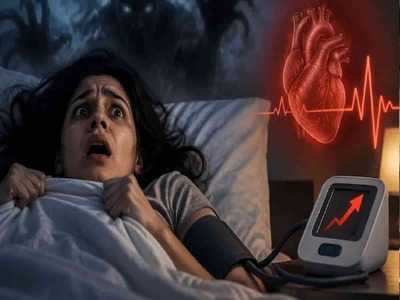 When a frightening scenario unfolds, the central nervous system instantly treats the event as a life-or-death crisis, engaging the body’s innate fight-or-flight mechanism and sending heart rates and systemic arterial pressure surging within seconds.Sympathetic Surge: How Adrenaline Spikes Blood Pressure During REM SleepThe underlying biological driver of this nocturnal surge lies within the sympathetic nervous system, the command center responsible for preparing the human anatomy to confront sudden danger.As a terrifying dream reaches its peak, the brain signals the adrenal glands to flood the bloodstream with potent stress hormones, primarily adrenaline and noradrenaline. This surge forces peripheral blood vessels to constrict rapidly, elevates resting heart rate, accelerates respiration, induces heavy sweating, and increases muscle tension, leaving individuals with intense anxiety and palpable chest tightness the moment they awaken. Under normal physiological conditions during deep non-REM stages, systemic blood pressure dips significantly to facilitate cellular restoration, but vivid nightmares typically strike during Rapid Eye Movement (REM) sleep when cerebral metabolism is heightened, creating the ideal storm for emotional stress to trigger transient cardiovascular spikes.Transient Surge vs Chronic Hypertension: When Recurring Nightmares Demand Medical AttentionWhile waking up with an elevated pulse after a bad dream can feel alarming, Dr.Jain clarifies that a temporary post-nightmare spike does not equate to clinical hypertension, which requires persistently high arterial readings confirmed across multiple standardized measurements over time. An isolated nightmare remains biologically harmless to long-term vascular health, but frequent, chronic bad dreams that repeatedly fracture sleep architecture carry serious health consequences. Prolonged sleep deprivation elevates systemic inflammation, disrupts hormonal homeostasis, and undermines long-term blood pressure control, significantly increasing future risks of cardiovascular diseases.In many instances, recurring nocturnal panic is closely intertwined with underlying generalized anxiety disorders, depression, post-traumatic stress disorder (PTSD), side effects of psychiatric medications, or undiagnosed sleep apnea.Doctor's Protocol: Calming Down and Measuring BP the Right Way After a Bad DreamTo manage immediate panic after waking from a nightmare, medical specialists advise taking slow, deep diaphragmatic breaths rather than immediately reaching for a home blood pressure monitor, as immediate testing under adrenaline-fueled panic produces artificially inflated readings.Individuals should sit quietly in an upright position for at least five minutes in a dimly lit room until respiratory rhythms stabilize before checking vital signs. For long-term nocturnal cardiovascular health, doctors recommend maintaining synchronized sleep schedules, cutting out evening caffeine, nicotine, and alcohol intake, limiting blue light exposure from mobile screens before bed, and consulting a certified sleep medicine specialist or cardiologist if terrifying dreams recur on a weekly basis.
Next Story