
Cats Often Hide Pain: Seven Behaviour Changes Pet Owners Should Not Ignore

Cats can appear remarkably independent, often continuing their usual routines even when something is wrong. This can make it difficult for owners to recognise discomfort, particularly when there is no obvious injury.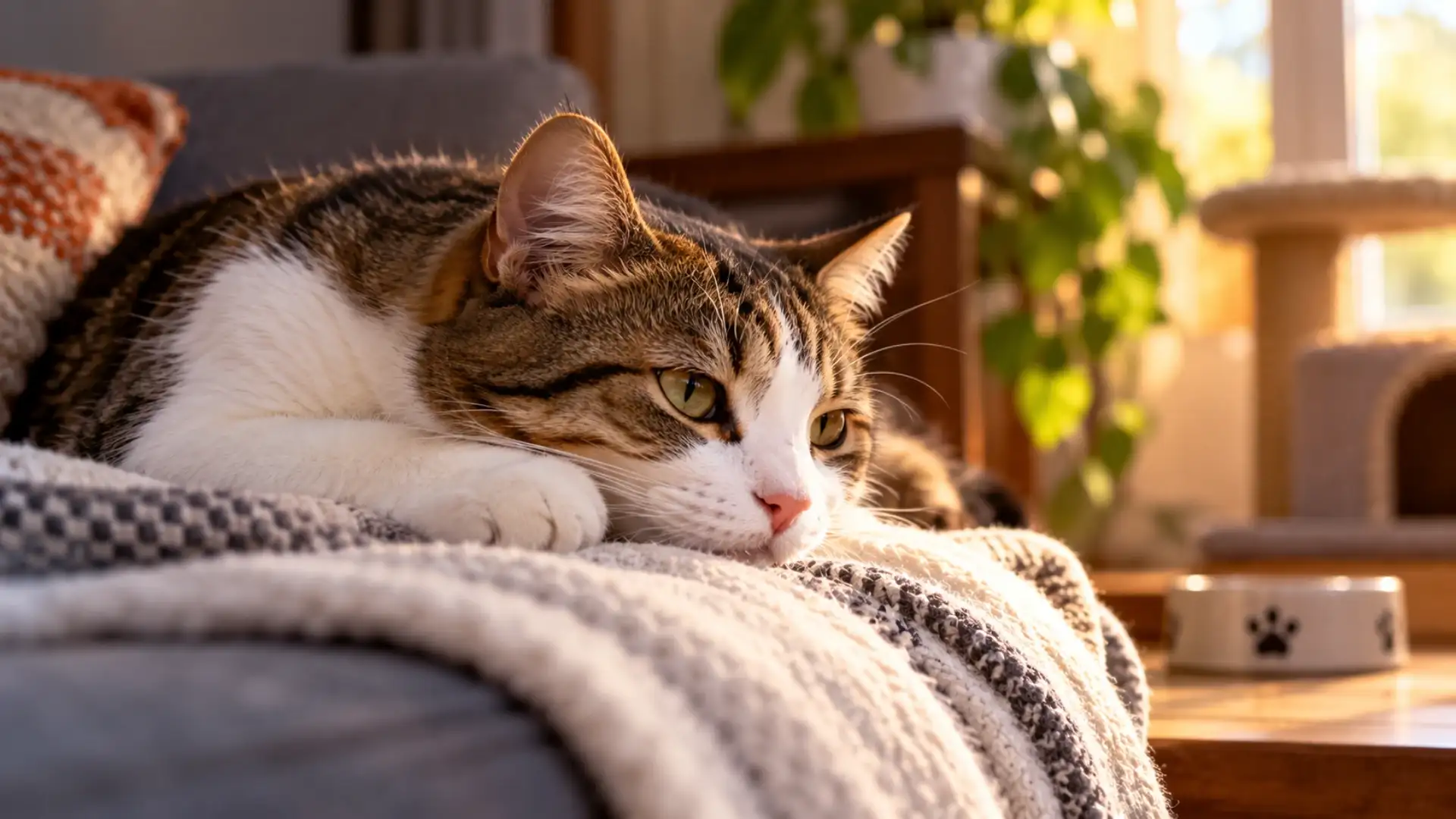
Veterinary guidance highlights an important point: changes in behaviour can be as significant as visible physical symptoms. A cat that suddenly hides more often, eats less or avoids being touched may be experiencing pain or illness. Recognising these changes early can help owners seek appropriate veterinary care before a problem becomes more serious.
Hiding alone does not prove that a cat is in pain, but a sudden or persistent change deserves investigation.
Changes can have many causes, including dental discomfort, digestive illness or other medical conditions. Do not assume that a reduced appetite is simply fussiness.
Others may repeatedly lick a particular area, potentially irritating the skin. Excessive grooming can have several causes, so veterinary assessment may be needed.
Do not force a cat to move simply to test whether it can walk.
Some cats become unusually quiet instead. The important clue is a change from the animal's normal behaviour.
A cat that cannot urinate needs urgent veterinary attention. Do not wait for the behaviour to resolve on its own.
If a cat has difficulty breathing, collapses, develops pale gums or cannot stand properly, seek emergency veterinary care.
Cats cannot explain their symptoms, so careful observation matters. A change in behaviour is not a diagnosis, but it can be an important reason to seek help.
Veterinary guidance highlights an important point: changes in behaviour can be as significant as visible physical symptoms. A cat that suddenly hides more often, eats less or avoids being touched may be experiencing pain or illness. Recognising these changes early can help owners seek appropriate veterinary care before a problem becomes more serious.
1. Hiding more than usual
Cats sometimes retreat to quiet places when they feel unwell. If a normally sociable cat begins spending most of its time under furniture or avoiding familiar people, pay attention to the change.Hiding alone does not prove that a cat is in pain, but a sudden or persistent change deserves investigation.
2. Changes in appetite or drinking
A cat that eats less, refuses food or begins drinking noticeably more or less may have a health problem.Changes can have many causes, including dental discomfort, digestive illness or other medical conditions. Do not assume that a reduced appetite is simply fussiness.
3. Altered grooming habits
Cats normally groom themselves regularly. Some may stop grooming properly when they feel unwell, leaving their coat untidy.Others may repeatedly lick a particular area, potentially irritating the skin. Excessive grooming can have several causes, so veterinary assessment may be needed.
4. Limping or avoiding jumps
Reluctance to climb, jump or use stairs may indicate pain or reduced mobility. Watch for stiffness after resting, an unusual posture or a preference for lying in one position.You may also like
- A casual Instagram post, a swim in a hidden Colombian lagoon and a scientific mystery: How one giant waterlily turned out to be a new species unknown to science for millions of years
- How to Approach Someone at the Gym Without Being Awkward
- Working one's way up
- A class 12th student noticed that visually impaired students often face hardships in learning and writing down their exams and launched two projects that help provide scribes to the specially abled: Meet Zeus Lalani
- 7 female authors who took the literary world by storm under pen names: From George Eliot to J.K. Rowling, these women defied stereotypes, challenged gender bias and proved that powerful stories can outshine the names behind them
Do not force a cat to move simply to test whether it can walk.
5. Unusual vocalisation or aggression
A cat that starts growling, hissing or reacting strongly to handling may be frightened or uncomfortable.Some cats become unusually quiet instead. The important clue is a change from the animal's normal behaviour.
6. Litter tray changes
Straining to urinate, repeated unsuccessful attempts to pass urine or producing very little urine can indicate a serious problem.A cat that cannot urinate needs urgent veterinary attention. Do not wait for the behaviour to resolve on its own.
7. Changes in posture and energy
Trembling, an arched back, unusual stillness or marked lethargy can accompany illness or pain.If a cat has difficulty breathing, collapses, develops pale gums or cannot stand properly, seek emergency veterinary care.
What should owners do?
Record when the behaviour began and whether appetite, drinking, movement or toileting has changed. Contact a veterinarian for advice rather than giving human painkillers, which may be dangerous to cats.Cats cannot explain their symptoms, so careful observation matters. A change in behaviour is not a diagnosis, but it can be an important reason to seek help.






Loving Newspoint? Download the app now
