
How to Celebrate Dussehra Without Leaving a Mess Behind

Dussehra marks the moment Rama's arrow found Ravana. The fire, the crowd, the noise, all of it points to one idea: evil does not outlast the effort made against it. What the tradition never asked for was a mountain of thermocol, a sky full of chemical smoke, and plastic garlands left on the ground by morning.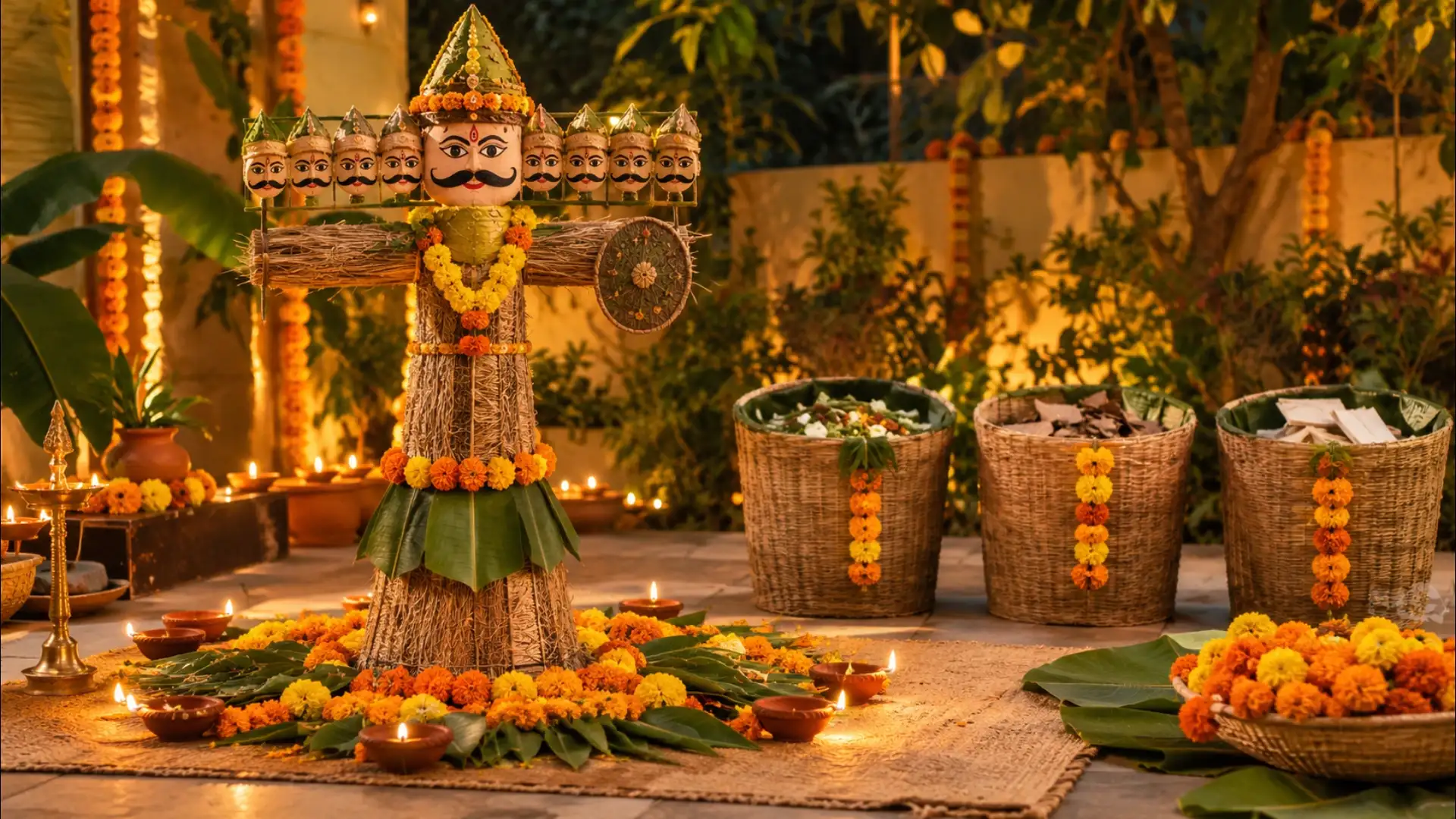
Bringing the festival back to its core is not a compromise. It is, in most cases, closer to how it was celebrated before industrial materials became cheap and convenient.
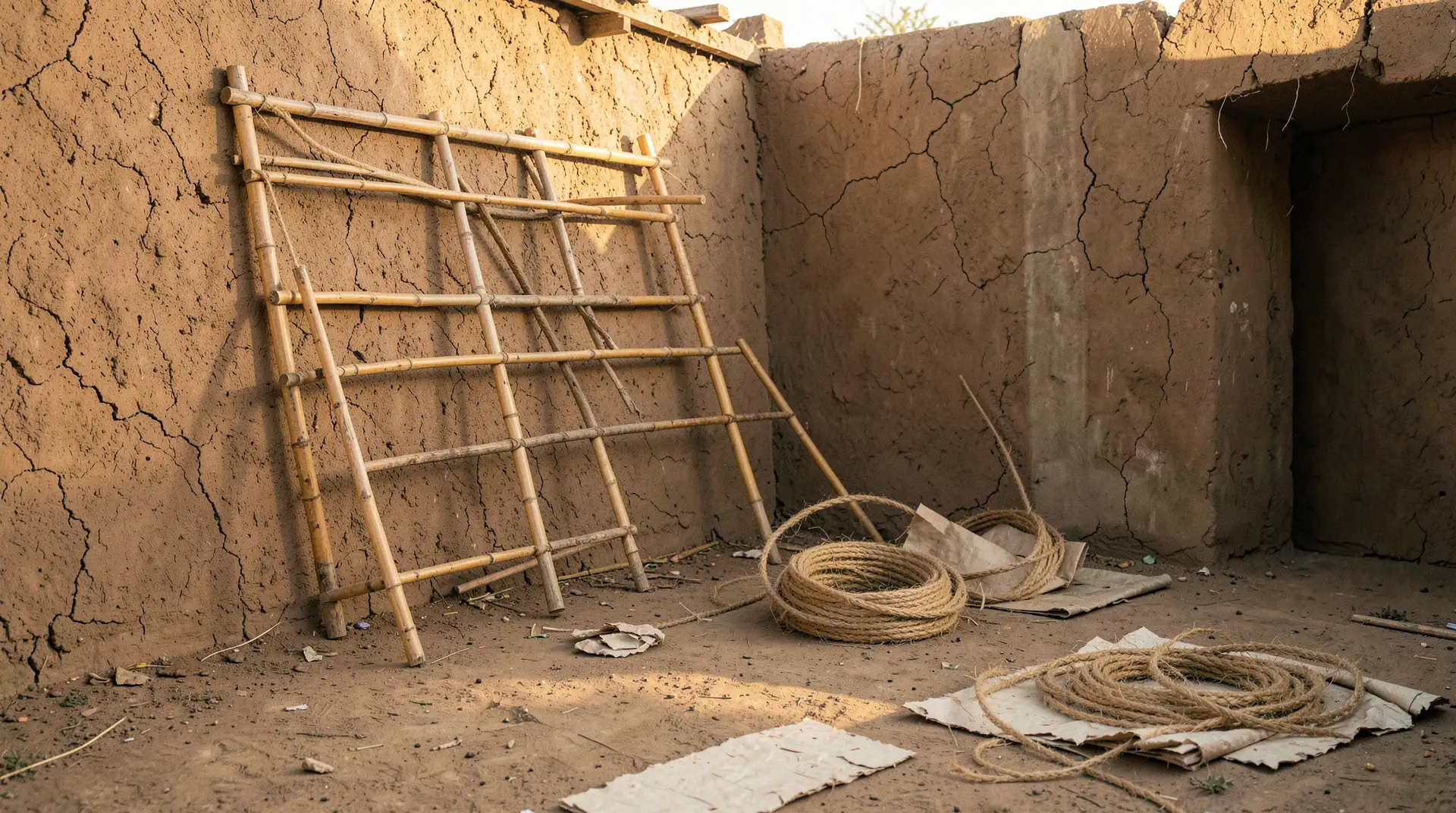
For Ravana effigies built at the neighbourhood level, the shift matters most. A Ravana made from papier-mâché over a bamboo frame burns completely and leaves almost no residue. One built around thermocol and PVC pipe burns poorly, releases acrid fumes, and leaves a skeleton of melted plastic that takes years to break down. The choice of material is made weeks before the event, which is when the conversation needs to happen, with the organising committee, the RWA, or the local puja samiti.
Some communities have moved to symbolic burns: a token effigy, a lamp-lighting ceremony, or a procession that ends with a communal bonfire of natural material. These are not substitutes for the tradition; they are the tradition stripped of the additions that accumulated over the last few decades. The meaning, the public, collective defeat of arrogance, travels through all of them.
If fireworks are part of the local celebration, the practical question is duration and proximity. A shorter display, farther from residential areas, with longer gaps between bursts, reduces both particulate load and noise impact on children and animals. This is a decision made by organisers, not individuals, which is why the most effective thing an individual can do is raise it before the planning is locked.
For families hosting a gathering at home, the same logic applies. Steel, brass, and ceramic serve the food and then go into the kitchen to be washed. Banana leaf plates, if available locally, compost within days. The disposable option costs less per unit and far more per use when the disposal is factored in.
Prasad and mithai wrapped in paper rather than plastic travels just as well and leaves nothing that needs to be picked up.
Joining or nudging the organising group is the highest-leverage action available. Suggesting natural-fibre effigies, offering to help source bamboo, or simply asking what materials the committee plans to use puts the question on the table before the order is placed. Puja samitis and RWA committees are often open to these conversations, especially when someone comes with a practical alternative rather than a complaint.
Several cities now have informal networks of festival organisers who share templates for eco-friendly Ravana construction and bulk sources for natural materials. Finding them takes one afternoon of searching; the result can change how an entire neighbourhood celebrates for years.
The festival has survived centuries of political change, regional variation, and shifting custom. It will absorb a bamboo frame without losing anything essential. The arrow still flies. Ravana still falls. The crowd still cheers. The only thing that changes is what is left on the ground when everyone goes home.
Bringing the festival back to its core is not a compromise. It is, in most cases, closer to how it was celebrated before industrial materials became cheap and convenient.
Choose Natural Materials for Decorations
Thermocol and plastic bunting are a recent habit, not a traditional one. Marigold strings, banana leaves, clay diyas, and hand-painted cloth banners were the original vocabulary of Dussehra decoration, and they still work. Marigolds can be composted after the festival. Clay diyas dissolve back into soil. Cloth banners fold away and come out again next year.For Ravana effigies built at the neighbourhood level, the shift matters most. A Ravana made from papier-mâché over a bamboo frame burns completely and leaves almost no residue. One built around thermocol and PVC pipe burns poorly, releases acrid fumes, and leaves a skeleton of melted plastic that takes years to break down. The choice of material is made weeks before the event, which is when the conversation needs to happen, with the organising committee, the RWA, or the local puja samiti.
Rethink the Effigies and the Burn
The burning of Ravana is the centrepiece of Dussehra and it does not need to disappear. What can change is scale and material. Smaller effigies burn faster, more completely, and with less fuel. Natural fibre stuffing, dried grass, cotton waste, jute, burns cleaner than synthetic foam.You may also like
- 4 horror stories by author Sudhanshu Rai one cannot afford to miss this Halloween
- Delicious and Nutritious Flax Seed Laddu Recipe for Winter Wellness
- Delicious Sabudana Vada Recipe for Winter Snacking
- A Kerala passenger received ₹1 less on his cancelled train ticket and sued IRCTC; two years later, the consumer court ordered the railway corporation to pay ₹3,100 in compensation.
- BEL Recruitment 2026: Applications for BEL Probationary Engineer posts have begun; check full details..
Some communities have moved to symbolic burns: a token effigy, a lamp-lighting ceremony, or a procession that ends with a communal bonfire of natural material. These are not substitutes for the tradition; they are the tradition stripped of the additions that accumulated over the last few decades. The meaning, the public, collective defeat of arrogance, travels through all of them.
If fireworks are part of the local celebration, the practical question is duration and proximity. A shorter display, farther from residential areas, with longer gaps between bursts, reduces both particulate load and noise impact on children and animals. This is a decision made by organisers, not individuals, which is why the most effective thing an individual can do is raise it before the planning is locked.
What to Carry and What to Leave at Home
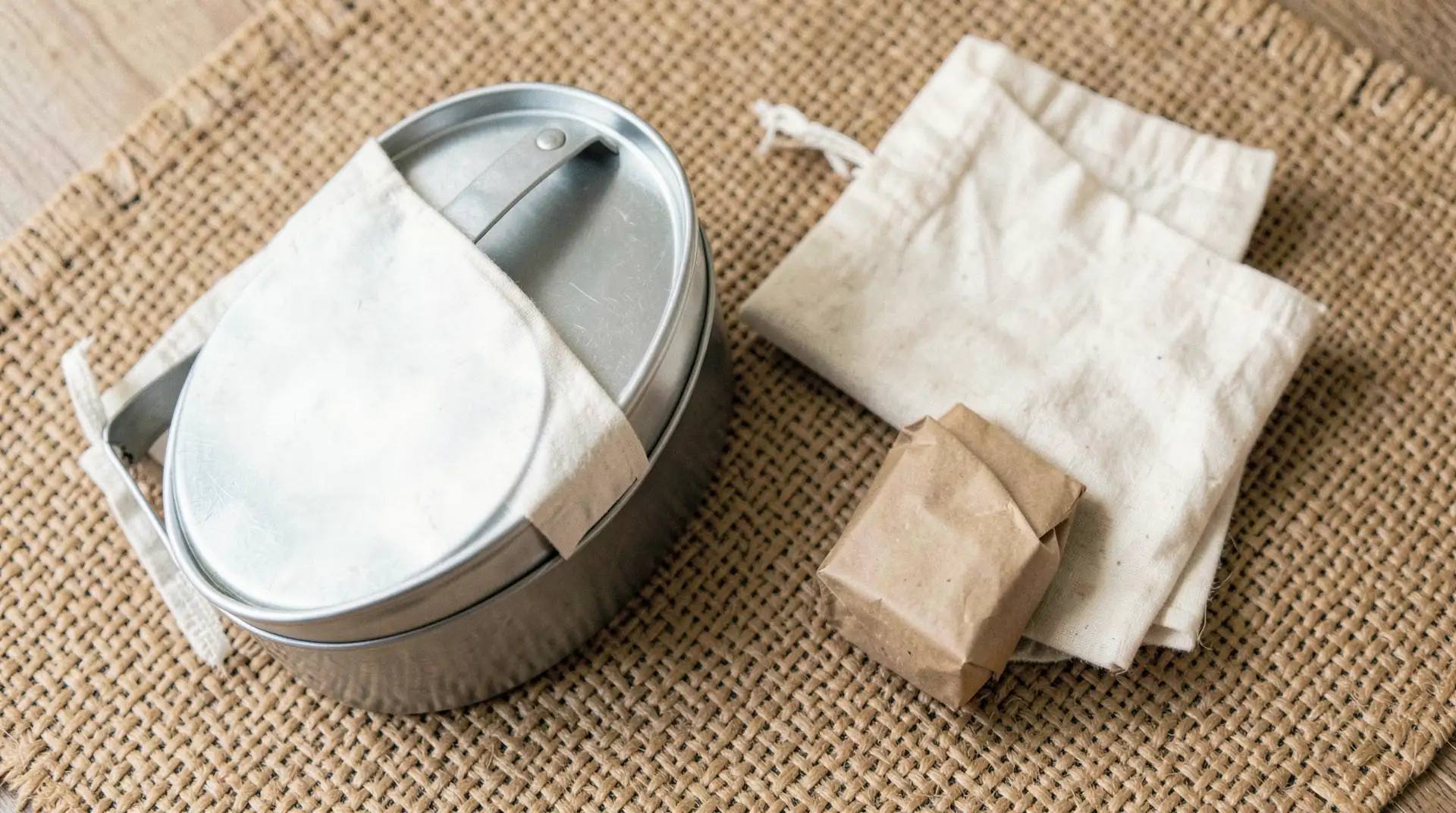
Street celebrations draw large crowds and generate large amounts of single-use waste: plastic cups, disposable plates, foil packets, and water pouches. Carrying a steel bottle and a cloth bag is a small habit that removes your share of that pile entirely.For families hosting a gathering at home, the same logic applies. Steel, brass, and ceramic serve the food and then go into the kitchen to be washed. Banana leaf plates, if available locally, compost within days. The disposable option costs less per unit and far more per use when the disposal is factored in.
Prasad and mithai wrapped in paper rather than plastic travels just as well and leaves nothing that needs to be picked up.
The Community Dimension
Most of what makes Dussehra unsustainable is decided collectively, the effigy materials, the fireworks, the amplification, the food stalls. Individual choices matter at the margin. Collective choices determine the shape of the evening.Joining or nudging the organising group is the highest-leverage action available. Suggesting natural-fibre effigies, offering to help source bamboo, or simply asking what materials the committee plans to use puts the question on the table before the order is placed. Puja samitis and RWA committees are often open to these conversations, especially when someone comes with a practical alternative rather than a complaint.
Several cities now have informal networks of festival organisers who share templates for eco-friendly Ravana construction and bulk sources for natural materials. Finding them takes one afternoon of searching; the result can change how an entire neighbourhood celebrates for years.
The festival has survived centuries of political change, regional variation, and shifting custom. It will absorb a bamboo frame without losing anything essential. The arrow still flies. Ravana still falls. The crowd still cheers. The only thing that changes is what is left on the ground when everyone goes home.






Loving Newspoint? Download the app now
