
What Makes Channapatna Toys Special? A Guide to Their Craftsmanship

Colourful wooden toys can look simple at first glance, but many represent generations of specialised craftsmanship. Channapatna, a town in Karnataka between Bengaluru and Mysuru, is widely associated with a traditional toy-making industry that turns wood into brightly coloured playthings and decorative objects.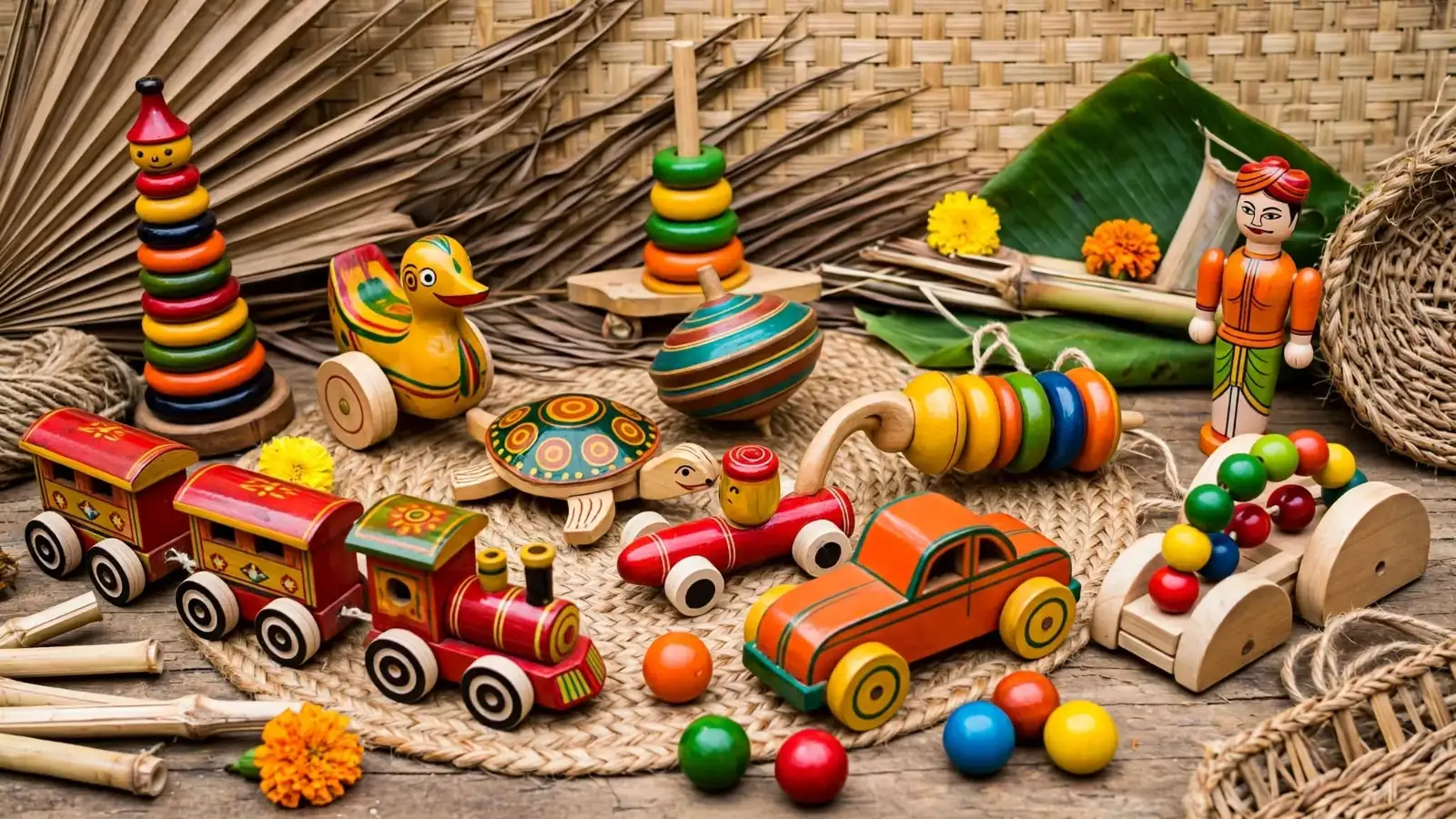
Known for its lacquered wooden products, the town has become an important destination for people interested in Indian handicrafts. The craft includes items such as spinning tops, dolls, puzzles and other small wooden objects. Channapatna toys are also recognised as a geographical indication, connecting the product's name with its traditional place of production.
Understanding the craft
Traditional Channapatna toys are made by shaping wood on a turning mechanism and applying a smooth decorative finish.
The wood commonly associated with the craft is locally known as ale mara, or ivory wood. Traditional production also uses lacquer and colourful finishes to give the objects their distinctive appearance.
The combination of shaped wood and a smooth surface distinguishes these products from many mass-produced plastic toys. However, materials and finishes can vary between individual products, so buyers should not assume that every item is made in exactly the same way.
The process requires attention to shape, balance and finish. Small differences in the carving can change the appearance of a toy, particularly when several pieces are produced as part of a matching set.
Spinning tops and stacking toys appeal to buyers looking for traditional playthings. Other products may include colourful figures, simple puzzles and objects intended for display.
The craft's bright colours and rounded forms have also helped it find a place in contemporary home décor. Small wooden objects can make distinctive souvenirs without occupying much space in a suitcase.
When buying for children, choose products designed for the child's age. Inspect the finish, look for loose pieces and check the manufacturer's guidance. Do not assume that every wooden object is suitable for infants simply because it is traditionally made.
For a spinning top, check whether it turns properly. For a stacking toy, inspect how the pieces fit together. A decorative object should have a stable base where appropriate.
Ask the seller about the wood, lacquer and colouring materials. If you are buying a product for a young child, look for clear safety information and avoid objects with small detachable parts that could be swallowed.
A seller who can explain the product's origin and production method can also help you make a more informed purchase.
Where possible, choose established artisan outlets or sellers who can provide information about the product. Ask permission before photographing people at work, and avoid interrupting the production process.
Channapatna toys bring together colourful design and hands-on workmanship. By understanding how they are made and choosing them thoughtfully, buyers can appreciate them as more than souvenirs. They become small examples of Karnataka's living craft heritage.
Known for its lacquered wooden products, the town has become an important destination for people interested in Indian handicrafts. The craft includes items such as spinning tops, dolls, puzzles and other small wooden objects. Channapatna toys are also recognised as a geographical indication, connecting the product's name with its traditional place of production.
Understanding the craft
Traditional Channapatna toys are made by shaping wood on a turning mechanism and applying a smooth decorative finish.
The wood commonly associated with the craft is locally known as ale mara, or ivory wood. Traditional production also uses lacquer and colourful finishes to give the objects their distinctive appearance.
The combination of shaped wood and a smooth surface distinguishes these products from many mass-produced plastic toys. However, materials and finishes can vary between individual products, so buyers should not assume that every item is made in exactly the same way.
The process requires attention to shape, balance and finish. Small differences in the carving can change the appearance of a toy, particularly when several pieces are produced as part of a matching set.
More than toys for children
Although the craft is best known for toys, Channapatna's wooden products can also be used as decorative objects and gifts.Spinning tops and stacking toys appeal to buyers looking for traditional playthings. Other products may include colourful figures, simple puzzles and objects intended for display.
You may also like
- How to get your balcony garden ready before winter sets in
- Forced to drop out of school for a year when her father could not pay the fees, Mavis Tak failed the UPSC exam twice before clearing it and is now a 2022-batch IPS officer serving as ASP in Uttar Pradesh's Sonbhadra
- Why Does Maa Pratyangira Have a Lion's Face?
- Cancer: diagnoses rise across India.. what drives it?
- High blood pressure during pregnancy can raise a woman's future risk of heart disease by up to 2.7 times; why postpartum monitoring matters
The craft's bright colours and rounded forms have also helped it find a place in contemporary home décor. Small wooden objects can make distinctive souvenirs without occupying much space in a suitcase.
When buying for children, choose products designed for the child's age. Inspect the finish, look for loose pieces and check the manufacturer's guidance. Do not assume that every wooden object is suitable for infants simply because it is traditionally made.
How to choose a good product
Look for a smooth finish, consistent colouring and a shape suited to the product's intended use.For a spinning top, check whether it turns properly. For a stacking toy, inspect how the pieces fit together. A decorative object should have a stable base where appropriate.
Ask the seller about the wood, lacquer and colouring materials. If you are buying a product for a young child, look for clear safety information and avoid objects with small detachable parts that could be swallowed.
A seller who can explain the product's origin and production method can also help you make a more informed purchase.
Support local artisans
Visiting Channapatna can offer a closer look at how traditional wooden products are produced. Karnataka Tourism highlights workshops and craft outlets where visitors can explore the tradition and purchase locally made items.Where possible, choose established artisan outlets or sellers who can provide information about the product. Ask permission before photographing people at work, and avoid interrupting the production process.
Why the craft deserves attention
Traditional crafts connect a product with the skills, materials and knowledge of a particular community. They also offer alternatives to gifts that are identical everywhere.Channapatna toys bring together colourful design and hands-on workmanship. By understanding how they are made and choosing them thoughtfully, buyers can appreciate them as more than souvenirs. They become small examples of Karnataka's living craft heritage.






Loving Newspoint? Download the app now
