
Best Eyeliner Formulas for Watery Eyes: Tips to Prevent Smudging and Fading

Watery eyes can make even carefully applied eye makeup difficult to maintain. Eyeliner may smudge, fade or transfer beneath the eyes within a few hours, leaving the finished look uneven. The problem can become more noticeable in hot weather, windy conditions or environments that trigger eye irritation. Choosing the right eyeliner formula can help, but the product's ingredients, application method and placement also matter. Waterproof formulas are often useful, although they are not automatically suitable for everyone. Understanding the differences between pencil, gel and liquid eyeliners can help you find an option that stays in place while keeping eye comfort a priority.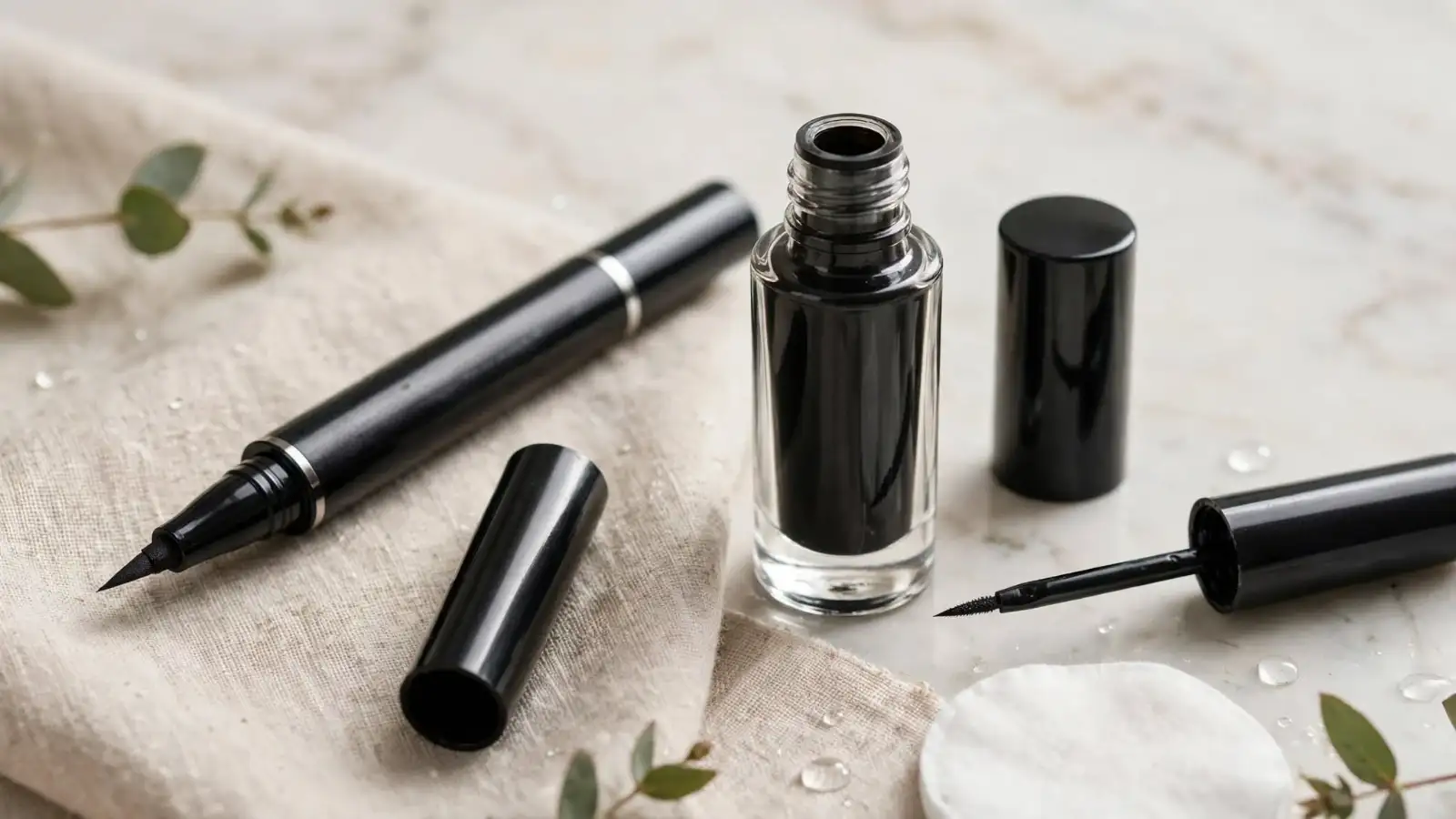
Some people experience watery eyes because of wind, pollen, dust, dry eyes, allergies or irritation from cosmetics. In certain cases, the eyes may produce excess tears in response to dryness or inflammation.
Rubbing the eyes can make the problem worse by spreading pigment and disturbing the makeup. Heavy eye creams, oily eyelids and unsuitable application techniques may also contribute to smudging.
If your eyes water frequently, burn, become red or feel uncomfortable, consider the cause rather than relying only on longer-lasting makeup. Persistent or unexplained symptoms may require assessment by an eye-care professional.
They may be available in pencil, gel or liquid formats. Some create a flexible film that helps the pigment remain in place when exposed to tears or humidity.
However, waterproof does not mean completely smudge-proof. Excessive tearing, rubbing or oily skin can still affect wear. Products also differ in their ingredients and how easily they can be removed.
Choose an eyeliner that clearly states its water-resistance claims, and check the label for suitability around the eyes. Avoid products that cause stinging, redness or discomfort, even if they last well.
Once set, a suitable gel eyeliner may resist movement and help create a neat line along the upper lashes. This makes it useful for everyday makeup, subtle definition or a more dramatic look.
Look for a formula designed to set without remaining tacky. Follow the product's instructions and allow it to dry before blinking repeatedly or applying other products nearby.
If you are new to gel eyeliner, start with a thin line close to the upper lashes. Using less product can reduce the chance of excess pigment transferring to the surrounding skin.
If you prefer a pencil, consider one labelled waterproof or long-wearing. Test the texture on the back of your hand first to see whether it sets or stays creamy.
For watery eyes, applying pencil along the upper lash line may be more practical than placing it on the inner waterline. The waterline is naturally moist, so makeup applied there may disappear quickly or mix with tears.
Avoid pressing hard or repeatedly dragging the pencil across delicate eyelid skin. A light, controlled application is usually sufficient.
A waterproof liquid eyeliner may be especially useful if your main concern is pigment transferring to the upper eyelid or fading during the day.
The main challenge is application. Liquid products can irritate the eyes if they enter them, and a very thick line may feel uncomfortable for some people. Apply small strokes rather than drawing a heavy line in one movement.
Keep your eyes gently closed for the time recommended on the product label, allowing the eyeliner to dry before opening them fully.
Read the ingredient list and follow the manufacturer's directions. If you have a history of cosmetic reactions, avoid ingredients that you already know trigger irritation. Fragrance-free products may be worth considering if fragranced cosmetics tend to bother your skin, although fragrance-free does not guarantee that a product will be irritation-free.
Choose eyeliner specifically intended for use around the eyes. Do not use products that are expired, contaminated or not labelled for the intended area.
Avoid sharing eye makeup, and replace products according to the manufacturer's guidance. If an eyeliner causes burning, redness or swelling, remove it carefully and stop using it.
If wind or humid weather causes occasional tearing, a water-resistant formula may help maintain your look. If your eyelids are oily, a product that sets firmly may be more effective than a creamy pencil.
If pollen or dust triggers symptoms, reducing exposure and avoiding eye rubbing may be more helpful than changing eyeliner alone. If cosmetics themselves cause discomfort, stop using the suspected product and consider an eye-safe alternative after the irritation settles.
Do not continue wearing eye makeup through persistent irritation. Seek medical advice if watering continues or is accompanied by pain, significant redness, light sensitivity, discharge or changes in vision.
Choosing eyeliner for watery eyes involves balancing staying power with comfort and safety. Waterproof pencils, gel formulas and liquid eyeliners can all work, depending on your skin, the cause of the watering and the look you prefer. Start with a product designed for the eye area, apply it sparingly along the upper lash line and avoid rubbing your eyes. If watery eyes are persistent or uncomfortable, address the underlying cause rather than relying solely on makeup. The right formula and a careful application routine can help you achieve a neater finish without compromising eye comfort.
Why Do Watery Eyes Make Eyeliner Smudge?
Tears help keep the surface of the eyes moist and wash away irritants. However, excess moisture can break down or move eyeliner, particularly when the product is applied close to the lash line or waterline.Some people experience watery eyes because of wind, pollen, dust, dry eyes, allergies or irritation from cosmetics. In certain cases, the eyes may produce excess tears in response to dryness or inflammation.
Rubbing the eyes can make the problem worse by spreading pigment and disturbing the makeup. Heavy eye creams, oily eyelids and unsuitable application techniques may also contribute to smudging.
If your eyes water frequently, burn, become red or feel uncomfortable, consider the cause rather than relying only on longer-lasting makeup. Persistent or unexplained symptoms may require assessment by an eye-care professional.
1. Waterproof Eyeliner: A Useful Option for Long Wear
Waterproof eyeliner is often a practical starting point for people whose eye makeup tends to run. These formulas are designed to resist moisture better than many conventional eyeliners.They may be available in pencil, gel or liquid formats. Some create a flexible film that helps the pigment remain in place when exposed to tears or humidity.
However, waterproof does not mean completely smudge-proof. Excessive tearing, rubbing or oily skin can still affect wear. Products also differ in their ingredients and how easily they can be removed.
Choose an eyeliner that clearly states its water-resistance claims, and check the label for suitability around the eyes. Avoid products that cause stinging, redness or discomfort, even if they last well.
2. Gel Eyeliner for a Defined, Lasting Look
Gel eyeliner often comes in a small pot or a pencil-style format. It can provide a more defined finish than some traditional pencils while offering greater control than certain liquid formulas.Once set, a suitable gel eyeliner may resist movement and help create a neat line along the upper lashes. This makes it useful for everyday makeup, subtle definition or a more dramatic look.
Look for a formula designed to set without remaining tacky. Follow the product's instructions and allow it to dry before blinking repeatedly or applying other products nearby.
If you are new to gel eyeliner, start with a thin line close to the upper lashes. Using less product can reduce the chance of excess pigment transferring to the surrounding skin.
3. Pencil Eyeliner for Gentle, Everyday Definition
Pencil eyeliner is easy to use and can create a soft, natural finish. However, creamy pencils may move more readily when exposed to tears, especially if they remain moist or are applied heavily.If you prefer a pencil, consider one labelled waterproof or long-wearing. Test the texture on the back of your hand first to see whether it sets or stays creamy.
For watery eyes, applying pencil along the upper lash line may be more practical than placing it on the inner waterline. The waterline is naturally moist, so makeup applied there may disappear quickly or mix with tears.
Avoid pressing hard or repeatedly dragging the pencil across delicate eyelid skin. A light, controlled application is usually sufficient.
4. Liquid Eyeliner for Precise Lines
Liquid eyeliner is a good option for sharp wings, thin lines and precise definition. Many formulas dry relatively quickly, which can help reduce smudging once the product has fully set.A waterproof liquid eyeliner may be especially useful if your main concern is pigment transferring to the upper eyelid or fading during the day.
The main challenge is application. Liquid products can irritate the eyes if they enter them, and a very thick line may feel uncomfortable for some people. Apply small strokes rather than drawing a heavy line in one movement.
Keep your eyes gently closed for the time recommended on the product label, allowing the eyeliner to dry before opening them fully.
5. Check Ingredients and Eye-Safety Labelling
Long-wearing performance should not be the only consideration when choosing eyeliner. The product also needs to suit the delicate skin around your eyes.Read the ingredient list and follow the manufacturer's directions. If you have a history of cosmetic reactions, avoid ingredients that you already know trigger irritation. Fragrance-free products may be worth considering if fragranced cosmetics tend to bother your skin, although fragrance-free does not guarantee that a product will be irritation-free.
Choose eyeliner specifically intended for use around the eyes. Do not use products that are expired, contaminated or not labelled for the intended area.
You may also like
- She failed UPSC 6 times, and her decade-long dream collapsed at 30; today she has taught around 900 kids and employed nearly 30 women: Meet Shruti Srivastava
- Food Processing May Affect the Body Differently Even When Meals Have the Same Nutrients
- Meet Ashaatti Ammumma: Kerala grandmother wins hearts by teaching kids to write in sand
- Keeping these 5 plants at home can attract wealth and prosperity
- A Tamil Nadu boy was denied access to a library in his own neighbourhood; years after he helped open one in Coimbatore, the number of graduates in his community has risen from just 4 to 30
Avoid sharing eye makeup, and replace products according to the manufacturer's guidance. If an eyeliner causes burning, redness or swelling, remove it carefully and stop using it.
6. Apply Eyeliner in a Way That Reduces Smudging
Even a good formula can run if it is applied incorrectly. A few simple changes may help your makeup last longer.- Start with clean, dry eyelids. Remove excess oil and allow skincare products to absorb before applying makeup.
- Apply a small amount of eye primer if your eyelids are oily and the product is suitable for your skin.
- Keep eyeliner close to the upper lash line rather than applying it heavily to the inner waterline.
- Use thin layers and allow each layer to set according to the product instructions.
- Avoid rubbing your eyes or repeatedly touching the area throughout the day.
- Remove eye makeup gently with a suitable cleanser rather than scrubbing the eyelids.
7. Choose Makeup Based on the Cause of Watery Eyes
The best eyeliner for you may depend on why your eyes water.If wind or humid weather causes occasional tearing, a water-resistant formula may help maintain your look. If your eyelids are oily, a product that sets firmly may be more effective than a creamy pencil.
If pollen or dust triggers symptoms, reducing exposure and avoiding eye rubbing may be more helpful than changing eyeliner alone. If cosmetics themselves cause discomfort, stop using the suspected product and consider an eye-safe alternative after the irritation settles.
Do not continue wearing eye makeup through persistent irritation. Seek medical advice if watering continues or is accompanied by pain, significant redness, light sensitivity, discharge or changes in vision.
Choosing eyeliner for watery eyes involves balancing staying power with comfort and safety. Waterproof pencils, gel formulas and liquid eyeliners can all work, depending on your skin, the cause of the watering and the look you prefer. Start with a product designed for the eye area, apply it sparingly along the upper lash line and avoid rubbing your eyes. If watery eyes are persistent or uncomfortable, address the underlying cause rather than relying solely on makeup. The right formula and a careful application routine can help you achieve a neater finish without compromising eye comfort.






Loving Newspoint? Download the app now
