
Planning a Himalayan Getaway? Choose a Homestay That Benefits Local Families

The Himalayas are known for snow-covered mountains, quiet villages, terraced fields and traditional wooden houses. While hotels and resorts offer comfortable stays, a homestay can provide a closer look at everyday life in the mountains. Guests may share home-cooked meals, learn about local traditions and discover walking trails through conversations with the people who live there.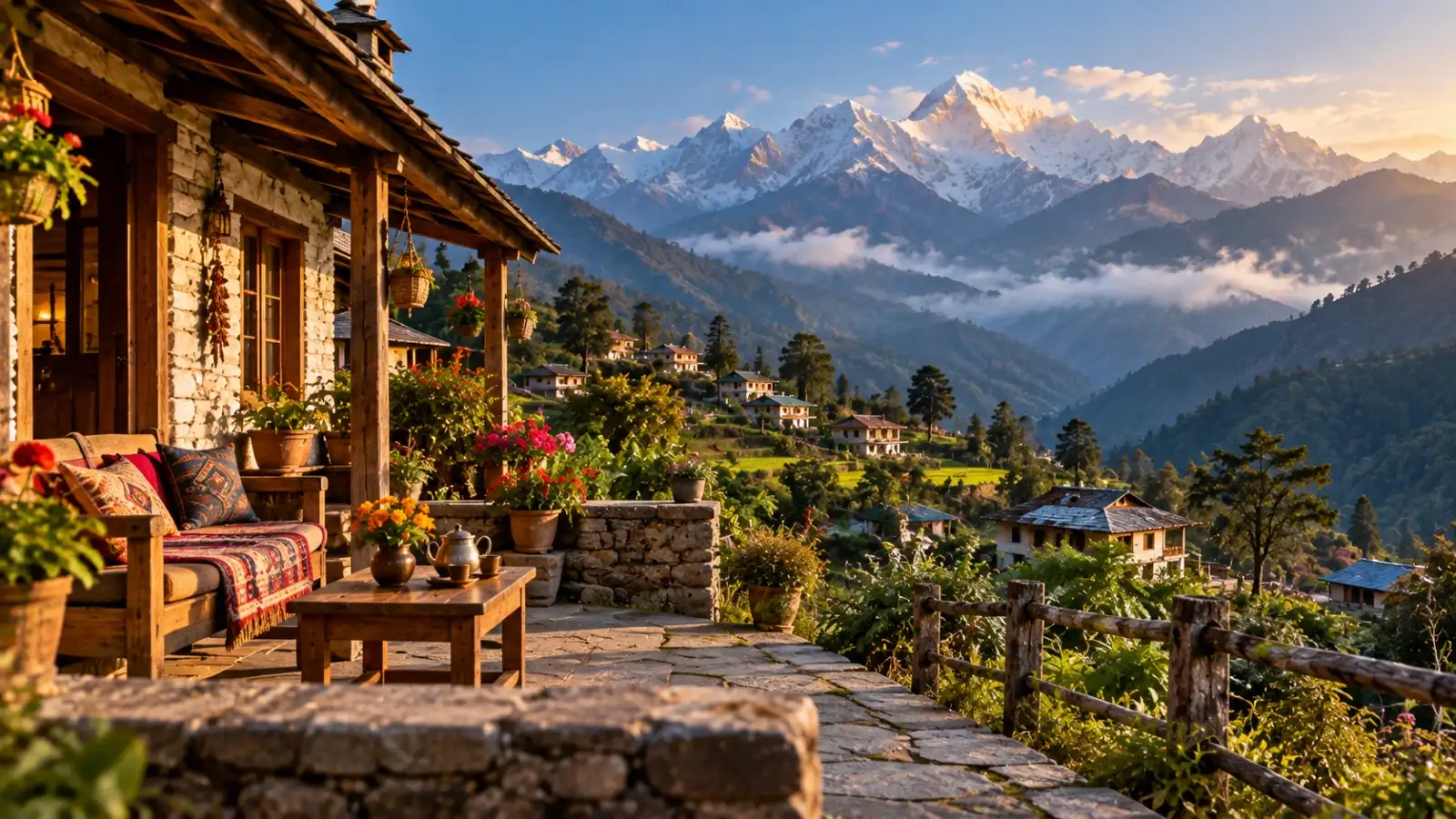
However, not every property described as a homestay necessarily benefits the surrounding community. Some are family-run businesses that provide income to local residents, while others may be managed primarily by outside operators. Choosing carefully can help travellers support local livelihoods, encourage cultural preservation and reduce the environmental impact of tourism.
From checking who owns the property to understanding where your money goes, a few practical steps can help you find a Himalayan homestay that offers a meaningful experience while respecting the people and landscape that make the region special.
Read the property's description carefully and look for information about its hosts, background and connection with the village. If the listing is unclear, ask who owns the property, who manages bookings and whether local residents are involved in daily operations. A locally owned homestay may employ family members, prepare meals using local ingredients and purchase supplies from nearby shops.
Community-run tourism initiatives can also be worth considering. In these arrangements, several households may participate in hosting visitors, guiding walks or providing meals and cultural experiences. Such models can distribute opportunities more widely than a single accommodation business, although the actual benefits depend on how the initiative is managed.
Do not assume that a property is community-focused simply because it uses words such as eco, village or traditional in its name. Look for specific information about ownership and local participation before booking.
Ask whether the accommodation fee covers meals, local transport, guided walks or other services. Find out whether these services are provided by the host, other village residents or an outside company. A homestay that hires local guides, buys vegetables from nearby farmers and commissions local crafts can create benefits beyond the room itself.
You do not need to demand a detailed financial breakdown from every host. Simple questions about how the property works can help you understand its local connections. If a community-based tourism group explains how bookings are shared between households or how some earnings support village activities, that transparency can be a useful sign.
It is also worth paying a fair price for the services provided. Bargaining aggressively over a modest room rate can undermine the very livelihoods that responsible travel is intended to support. Compare facilities and prices realistically, then choose an option that fits your budget without expecting local families to provide services at unsustainable rates.
Before booking, look for information about the people who help run the experience. Some homestays arrange village walks with local guides, organise visits to nearby farms or serve meals prepared with ingredients sourced from the surrounding area. These arrangements can help visitors learn about the destination while creating additional income opportunities.
Local employment should be meaningful rather than simply promotional. A property that mentions community involvement but provides no clear information about local services may not offer the same benefits as one that actively works with village residents.
Travellers can contribute by booking a local guide for a walk, hiring a village driver where appropriate or purchasing handmade products directly from their makers. These small decisions can help spread tourism spending across the destination instead of concentrating it in one business.
Look for hosts who explain local customs and welcome questions without presenting their entire community as a tourist attraction. A good cultural experience might involve learning how a traditional meal is prepared, hearing about local farming practices or understanding the history of a village.
Ask whether cultural activities are organised with local residents and whether participants are comfortable sharing them with visitors. Religious ceremonies, family gatherings and sacred spaces should never be treated as performances that guests are automatically entitled to watch or photograph.
You should also be prepared to follow household expectations. Hosts may ask guests to remove footwear indoors, dress modestly in certain settings or seek permission before photographing people. Customs vary across Himachal Pradesh, Uttarakhand, Sikkim, Ladakh and other Himalayan regions, so ask rather than assume.
Ask whether the property serves traditional dishes or offers meals made with seasonal ingredients. Depending on the location, you may encounter regional breads, lentil preparations, locally grown vegetables, buckwheat dishes or other foods shaped by the mountain climate.
A home-cooked meal can also reveal how local families use ingredients that are not commonly found on standard hotel menus. If you have dietary restrictions, explain them before arrival so the host can clarify what is available and plan accordingly.
Avoid expecting every meal to be an elaborate cultural experience. Everyday food is often simple, and ingredients may depend on the season or what is available locally. Appreciating these practical realities is part of travelling respectfully.
Look for practical measures rather than relying only on claims of sustainability. Does the property discourage unnecessary single-use plastics? Does it explain how rubbish is disposed of? Are guests encouraged to conserve water and electricity? Does the host provide guidance about responsible behaviour on nearby trails?
Water conservation is especially important in locations where households depend on local springs, streams or limited supply systems. Long showers, unnecessary laundry and wasteful use of water can place additional pressure on local resources.
Responsible waste management also means avoiding littering during walks and carrying rubbish back when bins are unavailable. A homestay cannot solve every environmental problem in its region, but it should be willing to explain local challenges and encourage guests to reduce their impact.
Look for detailed reviews that mention interactions with the hosts, local meals, village guides or activities arranged through nearby residents. Comments about honest communication, fair service and knowledge of the surrounding area may be more useful than general praise about mountain views.
Before booking, contact the property and ask a few practical questions. Confirm whether the room has an attached bathroom, whether hot water is available, what meals cost and how guests reach the property. Mountain accommodation can differ significantly from a conventional hotel, so knowing what to expect helps avoid misunderstandings.
If community support is a priority, ask directly whether the property is locally owned and whether it works with local guides, farmers or artisans. Clear answers are more informative than vague promises about sustainable tourism.
Such arrangements can help local people take part in tourism planning and share its benefits. They may also encourage visitors to follow agreed rules concerning waste, wildlife, cultural sites and access to community land.
When researching a destination, check whether a recognised local tourism organisation or government-supported homestay programme operates there. Ask how bookings are allocated and whether the initiative has clear visitor guidelines.
Community management does not automatically guarantee that every household benefits equally. The quality of participation and benefit-sharing can vary, so look for transparent information about how the initiative operates. The goal is to support arrangements in which residents have a meaningful role in shaping tourism, not merely provide services to outside businesses.
Ask before entering private rooms or areas, taking photographs of family members or joining household activities. Follow agreed meal times and let the host know if your plans change. If you want to participate in farming, cooking or craft-making, arrange it in advance rather than assuming the family can interrupt its daily work.
Keep noise levels reasonable, particularly in small villages where homes are close together. Respect local rules around alcohol, smoking, footwear and religious spaces, and clarify any questions politely.
A thoughtful guest does not expect unlimited attention simply because they have paid for accommodation. Genuine cultural exchange works best when both hosts and visitors feel comfortable and their expectations are understood.
Before booking, ask the host about seasonal accessibility, road conditions, heating, hot water and transport options. A remote property may have limited services during winter or depend on weather-sensitive roads. Confirming these details in advance helps avoid last-minute pressure on hosts to arrange difficult or unsafe travel.
Consider travelling outside the busiest periods when practical, especially if your destination experiences heavy visitor traffic. However, do not assume that off-season travel is always better. Local households may depend on particular tourism periods for income, and some experiences may be unavailable outside their usual season.
The most responsible choice is one that respects local conditions, supports the host's livelihood and allows you to travel safely without placing unreasonable demands on the community.
A well-chosen homestay can provide a comfortable base for exploring mountain landscapes while helping local households earn income and share their knowledge on their own terms. By asking informed questions, booking local services and respecting the host family's routines, travellers can make their spending more meaningful.
Responsible travel is not about finding a perfect property. It is about making thoughtful choices that recognise local people as partners in tourism rather than simply part of the scenery.
However, not every property described as a homestay necessarily benefits the surrounding community. Some are family-run businesses that provide income to local residents, while others may be managed primarily by outside operators. Choosing carefully can help travellers support local livelihoods, encourage cultural preservation and reduce the environmental impact of tourism.
From checking who owns the property to understanding where your money goes, a few practical steps can help you find a Himalayan homestay that offers a meaningful experience while respecting the people and landscape that make the region special.
1. Check Who Owns and Operates the Homestay
The first step is to find out whether the homestay is owned and managed by a local family or community. Locally operated accommodation can create direct income for residents, particularly in remote mountain villages where employment opportunities may be limited.Read the property's description carefully and look for information about its hosts, background and connection with the village. If the listing is unclear, ask who owns the property, who manages bookings and whether local residents are involved in daily operations. A locally owned homestay may employ family members, prepare meals using local ingredients and purchase supplies from nearby shops.
Community-run tourism initiatives can also be worth considering. In these arrangements, several households may participate in hosting visitors, guiding walks or providing meals and cultural experiences. Such models can distribute opportunities more widely than a single accommodation business, although the actual benefits depend on how the initiative is managed.
Do not assume that a property is community-focused simply because it uses words such as eco, village or traditional in its name. Look for specific information about ownership and local participation before booking.
2. Understand Where Your Money Goes
The room price is only one part of the economic impact of a homestay. What matters is how much of the money reaches the host family and other people in the destination.Ask whether the accommodation fee covers meals, local transport, guided walks or other services. Find out whether these services are provided by the host, other village residents or an outside company. A homestay that hires local guides, buys vegetables from nearby farmers and commissions local crafts can create benefits beyond the room itself.
You do not need to demand a detailed financial breakdown from every host. Simple questions about how the property works can help you understand its local connections. If a community-based tourism group explains how bookings are shared between households or how some earnings support village activities, that transparency can be a useful sign.
It is also worth paying a fair price for the services provided. Bargaining aggressively over a modest room rate can undermine the very livelihoods that responsible travel is intended to support. Compare facilities and prices realistically, then choose an option that fits your budget without expecting local families to provide services at unsustainable rates.
3. Look for Homestays That Employ Local People
A homestay can benefit the wider community when it creates work for people beyond the household that owns the property. This may include cooks, cleaners, drivers, local guides, farmers, artisans and people who organise cultural or nature-based activities.Before booking, look for information about the people who help run the experience. Some homestays arrange village walks with local guides, organise visits to nearby farms or serve meals prepared with ingredients sourced from the surrounding area. These arrangements can help visitors learn about the destination while creating additional income opportunities.
Local employment should be meaningful rather than simply promotional. A property that mentions community involvement but provides no clear information about local services may not offer the same benefits as one that actively works with village residents.
Travellers can contribute by booking a local guide for a walk, hiring a village driver where appropriate or purchasing handmade products directly from their makers. These small decisions can help spread tourism spending across the destination instead of concentrating it in one business.
4. Choose a Homestay That Respects Local Culture
One of the main attractions of a Himalayan homestay is the opportunity to learn about the region's food, architecture, festivals and everyday routines. Yet cultural experiences should be offered with the consent and involvement of the people whose traditions are being shared.Look for hosts who explain local customs and welcome questions without presenting their entire community as a tourist attraction. A good cultural experience might involve learning how a traditional meal is prepared, hearing about local farming practices or understanding the history of a village.
Ask whether cultural activities are organised with local residents and whether participants are comfortable sharing them with visitors. Religious ceremonies, family gatherings and sacred spaces should never be treated as performances that guests are automatically entitled to watch or photograph.
You should also be prepared to follow household expectations. Hosts may ask guests to remove footwear indoors, dress modestly in certain settings or seek permission before photographing people. Customs vary across Himachal Pradesh, Uttarakhand, Sikkim, Ladakh and other Himalayan regions, so ask rather than assume.
5. Prioritise Local Food and Regional Ingredients
Food is one of the easiest ways to support a destination's local economy. When a homestay prepares meals using ingredients from nearby farms, village markets and regional producers, your stay can contribute to local food systems as well as the household's income.Ask whether the property serves traditional dishes or offers meals made with seasonal ingredients. Depending on the location, you may encounter regional breads, lentil preparations, locally grown vegetables, buckwheat dishes or other foods shaped by the mountain climate.
A home-cooked meal can also reveal how local families use ingredients that are not commonly found on standard hotel menus. If you have dietary restrictions, explain them before arrival so the host can clarify what is available and plan accordingly.
Avoid expecting every meal to be an elaborate cultural experience. Everyday food is often simple, and ingredients may depend on the season or what is available locally. Appreciating these practical realities is part of travelling respectfully.
6. Check Whether the Homestay Manages Waste and Water Responsibly
Mountain environments can be sensitive to pollution, excessive water use and poorly managed waste. A homestay's environmental practices therefore matter, particularly in villages where waste collection and water infrastructure may be limited.Look for practical measures rather than relying only on claims of sustainability. Does the property discourage unnecessary single-use plastics? Does it explain how rubbish is disposed of? Are guests encouraged to conserve water and electricity? Does the host provide guidance about responsible behaviour on nearby trails?
Water conservation is especially important in locations where households depend on local springs, streams or limited supply systems. Long showers, unnecessary laundry and wasteful use of water can place additional pressure on local resources.
Responsible waste management also means avoiding littering during walks and carrying rubbish back when bins are unavailable. A homestay cannot solve every environmental problem in its region, but it should be willing to explain local challenges and encourage guests to reduce their impact.
7. Read Reviews Carefully and Ask Specific Questions
Online reviews can help you assess a homestay's cleanliness, hospitality, food and facilities. However, a high rating alone does not prove that a property supports the local community.Look for detailed reviews that mention interactions with the hosts, local meals, village guides or activities arranged through nearby residents. Comments about honest communication, fair service and knowledge of the surrounding area may be more useful than general praise about mountain views.
Before booking, contact the property and ask a few practical questions. Confirm whether the room has an attached bathroom, whether hot water is available, what meals cost and how guests reach the property. Mountain accommodation can differ significantly from a conventional hotel, so knowing what to expect helps avoid misunderstandings.
If community support is a priority, ask directly whether the property is locally owned and whether it works with local guides, farmers or artisans. Clear answers are more informative than vague promises about sustainable tourism.
8. Consider Community-Managed Tourism Initiatives
In some Himalayan destinations, tourism is organised through local groups, village associations or community-based enterprises. These initiatives may coordinate accommodation, guide services, nature walks and cultural experiences among several participating households.Such arrangements can help local people take part in tourism planning and share its benefits. They may also encourage visitors to follow agreed rules concerning waste, wildlife, cultural sites and access to community land.
When researching a destination, check whether a recognised local tourism organisation or government-supported homestay programme operates there. Ask how bookings are allocated and whether the initiative has clear visitor guidelines.
Community management does not automatically guarantee that every household benefits equally. The quality of participation and benefit-sharing can vary, so look for transparent information about how the initiative operates. The goal is to support arrangements in which residents have a meaningful role in shaping tourism, not merely provide services to outside businesses.
9. Respect the Host Family's Privacy and Daily Routine
Staying in a homestay means sharing a space that is also someone's home. The experience can be rewarding, but guests should remember that hosts have family responsibilities, work schedules and personal boundaries.Ask before entering private rooms or areas, taking photographs of family members or joining household activities. Follow agreed meal times and let the host know if your plans change. If you want to participate in farming, cooking or craft-making, arrange it in advance rather than assuming the family can interrupt its daily work.
Keep noise levels reasonable, particularly in small villages where homes are close together. Respect local rules around alcohol, smoking, footwear and religious spaces, and clarify any questions politely.
A thoughtful guest does not expect unlimited attention simply because they have paid for accommodation. Genuine cultural exchange works best when both hosts and visitors feel comfortable and their expectations are understood.
10. Book According to the Season and the Needs of the Destination
Choosing the right time to visit can make your stay more comfortable and help you plan responsibly. Himalayan weather varies greatly by altitude and region, with monsoon rainfall affecting some areas, winter snow limiting access in others and certain mountain routes becoming difficult during changing conditions.Before booking, ask the host about seasonal accessibility, road conditions, heating, hot water and transport options. A remote property may have limited services during winter or depend on weather-sensitive roads. Confirming these details in advance helps avoid last-minute pressure on hosts to arrange difficult or unsafe travel.
Consider travelling outside the busiest periods when practical, especially if your destination experiences heavy visitor traffic. However, do not assume that off-season travel is always better. Local households may depend on particular tourism periods for income, and some experiences may be unavailable outside their usual season.
The most responsible choice is one that respects local conditions, supports the host's livelihood and allows you to travel safely without placing unreasonable demands on the community.
A Simple Checklist Before Booking a Himalayan Homestay
Before confirming your stay, check these points:- The property is locally owned or clearly explains its community partnerships.
- Booking terms, prices and included services are transparent.
- Local guides, cooks, farmers or artisans have opportunities to earn from tourism.
- The host explains household customs and visitor expectations.
- Waste, water and energy use are managed thoughtfully.
- Reviews provide useful details about the property and its hosts.
- Access, transport, heating and facilities suit the season and your needs.
Make Your Himalayan Stay Count
Choosing a Himalayan homestay that supports the local community requires looking beyond the view from the window. Ownership, fair payment, local employment, cultural respect and environmental practices all help determine whether tourism contributes positively to a destination.A well-chosen homestay can provide a comfortable base for exploring mountain landscapes while helping local households earn income and share their knowledge on their own terms. By asking informed questions, booking local services and respecting the host family's routines, travellers can make their spending more meaningful.
Responsible travel is not about finding a perfect property. It is about making thoughtful choices that recognise local people as partners in tourism rather than simply part of the scenery.
Next Story