
Cold Comfort: Tips to Differentiate Between Winter Allergies and Pollution Effects

Winter can be tough for those with sensitive respiratory systems. From sneezing indoors to difficulty breathing outdoors, it’s hard to find relief. But are your symptoms stemming from winter allergies or pollution? Identifying the cause is key to effective treatment, explains Dr. Kuldeep Kumar Grover , Head of Critical Care and Pulmonology at CK Birla Hospital , Gurugram.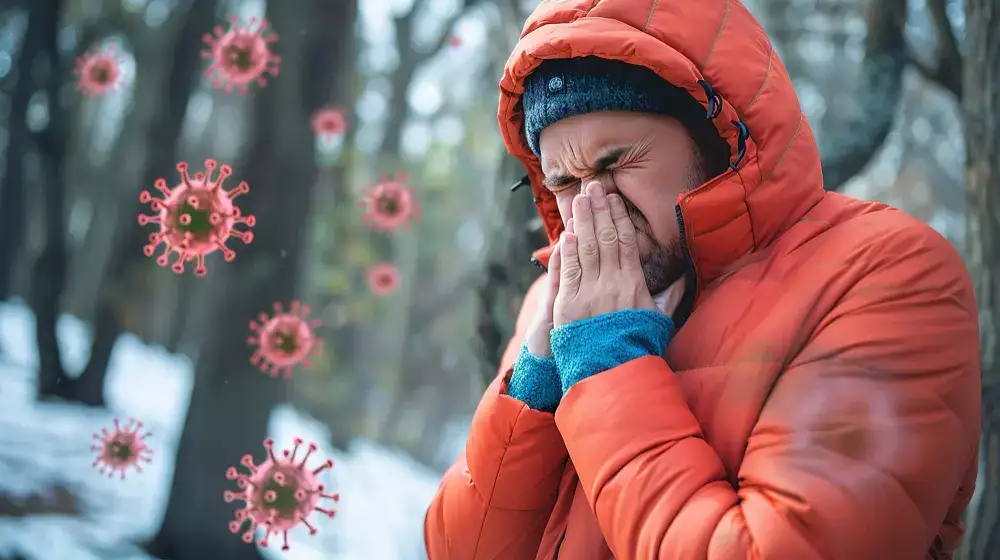
Winter Allergies: The Indoor Challenge
With colder weather keeping people indoors, allergens like dust mites thrive in heated spaces, while pet dander increases during cozy cuddle sessions with pets. Mold, often found in damp bathrooms, is another frequent irritant. Limited ventilation during winter compounds these issues by trapping allergens indoors.
Pollution: The Outdoor Offender
Winter also amplifies pollution. Vehicle emissions and heating methods like wood or coal burning release harmful particles into the air. Temperature inversion, a winter phenomenon, traps these pollutants close to the ground, forming smog that lingers in urban areas, especially near roads, making outdoor air hazardous.
Spotting the Difference: Allergies or Pollution?
Steps to Breathe Easier
Frequent cleaning and using air purifiers can help combat indoor allergens . Monitor air quality reports and limit outdoor activities on high-pollution days. If symptoms persist or worsen, seek medical advice. A proactive approach can make winter less challenging.
Winter Allergies: The Indoor Challenge
With colder weather keeping people indoors, allergens like dust mites thrive in heated spaces, while pet dander increases during cozy cuddle sessions with pets. Mold, often found in damp bathrooms, is another frequent irritant. Limited ventilation during winter compounds these issues by trapping allergens indoors.
Pollution: The Outdoor Offender
Winter also amplifies pollution. Vehicle emissions and heating methods like wood or coal burning release harmful particles into the air. Temperature inversion, a winter phenomenon, traps these pollutants close to the ground, forming smog that lingers in urban areas, especially near roads, making outdoor air hazardous.
Spotting the Difference: Allergies or Pollution?
- Environment: If symptoms worsen indoors, allergies are likely the cause, whereas outdoor aggravation points to pollution.
- Duration: Allergy symptoms persist consistently, but pollution-related discomfort often eases in cleaner air.
- Relief: Allergies can be alleviated with antihistamines, while pollution-induced irritation may require avoidance strategies.
Steps to Breathe Easier
Frequent cleaning and using air purifiers can help combat indoor allergens . Monitor air quality reports and limit outdoor activities on high-pollution days. If symptoms persist or worsen, seek medical advice. A proactive approach can make winter less challenging.
Next Story