
Why Cartagena Is One of the Most Beautiful Cities for Architecture Lovers

Cartagena, located on Colombia's Caribbean coast, is famous for its colourful buildings, historic streets and beautifully preserved colonial architecture. Its old town features brightly painted houses, wooden balconies, flower-filled courtyards and impressive stone fortifications that reflect centuries of history. Influenced by Spanish colonial design and local Caribbean traditions, the city has developed a distinctive architectural character. Walking through its historic neighbourhoods feels like exploring an open-air museum, where every street offers something interesting to discover. For travellers who enjoy photography, heritage and cultural experiences, Cartagena is one of Colombia's most fascinating destinations.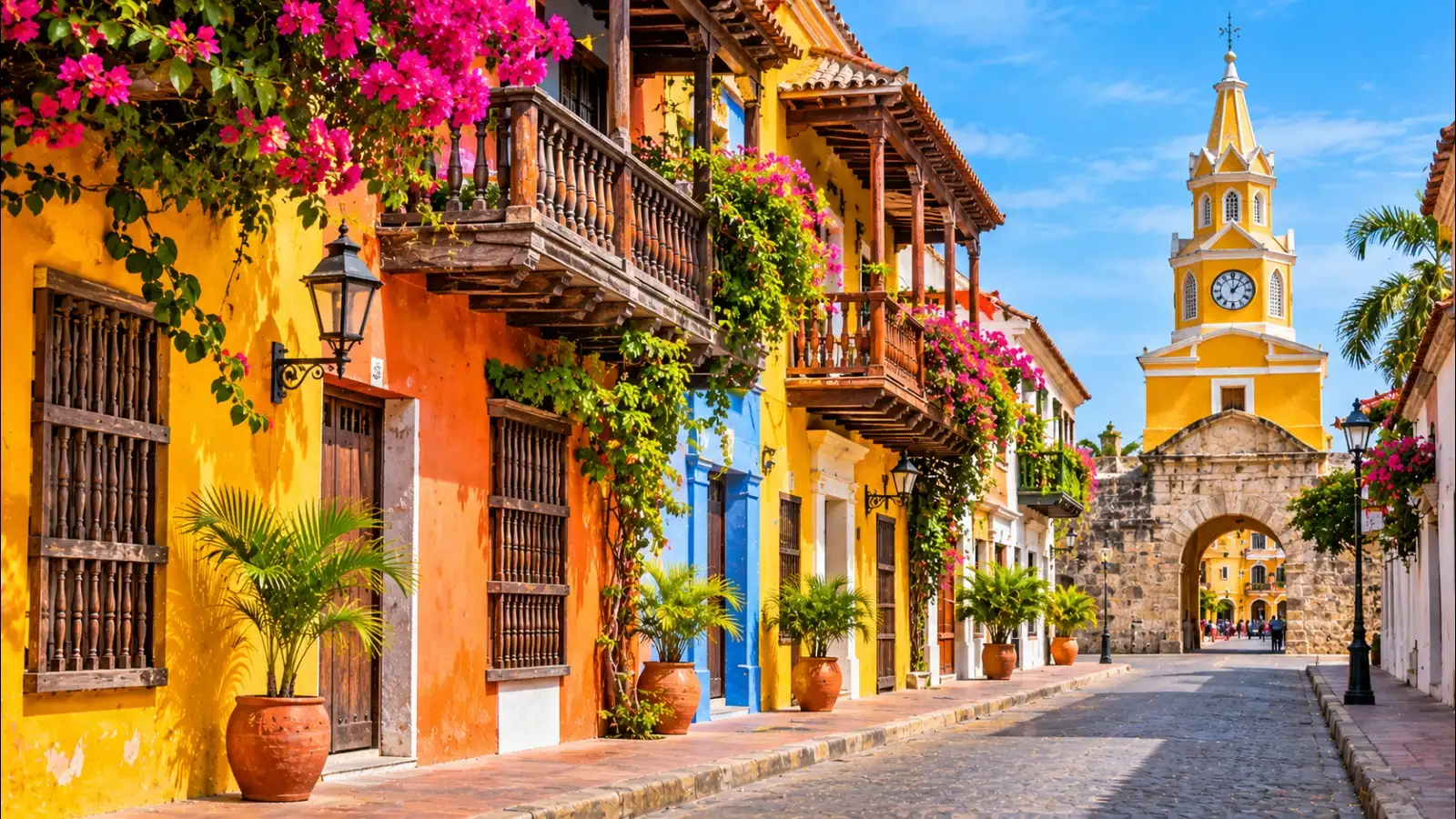
1. Explore the Walled City of Cartagena
The Walled City, also known as Ciudad Amurallada, is the heart of Cartagena's historic heritage. Recognised as a UNESCO World Heritage Site, this area is surrounded by massive stone walls built during the Spanish colonial period to protect the city from attacks.
Inside the walls, visitors can explore narrow streets lined with colourful buildings, historic churches and traditional plazas. The combination of preserved architecture and lively public spaces makes this neighbourhood one of the city's most memorable attractions.
2. Admire the Colourful Colonial Houses
One of the most striking features of Cartagena is its brightly painted houses. Buildings in shades of yellow, blue, pink, orange and green create a lively atmosphere throughout the old town.
Many houses feature wooden balconies decorated with flowers, carved doors and traditional window designs. These details reflect Spanish colonial influences adapted to the region's tropical climate and local building traditions.
3. Visit the Historic Plaza de la Aduana
Plaza de la Aduana is one of the most important historic squares in Cartagena. During the colonial period, it served as a significant commercial and administrative centre.
Today, the square is surrounded by historic buildings and offers an opportunity to appreciate the city's architectural heritage. Its open layout and traditional façades make it a pleasant place to pause while exploring the old town.
4. Discover the Architecture of San Pedro Claver Church
San Pedro Claver Church is an important religious landmark in Cartagena. Built during the colonial period, it is recognised for its impressive stone façade, large dome and historic interior.
The church is named after Saint Peter Claver, a Spanish Jesuit priest known for his work among enslaved Africans in Cartagena. Its architecture and historical associations make it an important stop for visitors interested in the city's religious and social history.
5. Explore the Streets of Getsemaní
Getsemaní is one of Cartagena's most colourful and culturally vibrant neighbourhoods. Located just outside the main walled city, it is known for its painted façades, street art, lively squares and traditional houses.
The neighbourhood's narrow lanes feature colourful murals and artistic decorations that reflect local identity and community life. Visitors can explore its cafés, small galleries and public spaces while experiencing a different side of Cartagena's architectural character.
6. Visit the Impressive Castillo San Felipe de Barajas
Castillo San Felipe de Barajas is a massive fortress built on San Lázaro Hill. Its construction began in the 17th century, and it was later expanded to strengthen the city's defences against attacks.
The fortress features thick stone walls, tunnels, strategic passages and elevated viewpoints. It is considered one of the most important examples of Spanish military architecture in the Americas. Visitors can explore its different sections and enjoy panoramic views of Cartagena.
7. Admire the Clock Tower Gateway
The Torre del Reloj, or Clock Tower, is one of Cartagena's most recognisable landmarks. Located at the main entrance to the Walled City, it features an elegant tower and a distinctive yellow façade.
The gateway connects the historic centre with the nearby Plaza de los Coches. Its architectural details and central location make it a popular meeting point and an excellent starting place for exploring the old town.
8. Explore the Historic Architecture of Plaza Santo Domingo
Plaza Santo Domingo is a lively square surrounded by traditional buildings, restaurants and historic landmarks. Its most notable structure is the Church of Santo Domingo, one of the oldest churches in Cartagena.
The square offers a glimpse of the city's colonial-era urban design, with its stone-paved surroundings and colourful façades. It is also a popular place to enjoy local food and observe everyday life in the historic centre.
9. Discover the Palacio de la Inquisición
The Palace of the Inquisition is one of Cartagena's most significant historic buildings. Its architecture features an elaborate stone entrance, traditional balconies and large windows that reflect colonial design.
The building once housed the Spanish Inquisition's tribunal in Cartagena. Today, it serves as a museum where visitors can learn about the city's colonial history, the Inquisition and the wider historical context of the region.
10. Enjoy the Scenic Views from the City Walls
The historic walls surrounding Cartagena are among the finest examples of colonial military architecture in South America. Built over several centuries, they feature defensive structures, watchpoints and wide stone pathways.
Visitors can walk along accessible sections of the walls and admire views of the Caribbean Sea, historic rooftops and surrounding neighbourhoods. Sunset is particularly attractive, when the warm light highlights the city's colourful buildings.
Best Time to Explore Cartagena
December to April is generally considered a favourable period to visit Cartagena, as these months are relatively dry and suitable for walking around the historic centre. The city remains warm throughout the year, so lightweight clothing, comfortable footwear and sun protection are useful.
The rainy season generally brings heavier showers between May and November, although rain patterns can vary. Exploring the old town during the morning or late afternoon can make outdoor sightseeing more comfortable.
Cartagena's colourful architecture reflects a fascinating blend of colonial history, Caribbean influences and local creativity. From its massive stone walls and historic churches to the flower-covered balconies and artistic streets of Getsemaní, the city offers something interesting at every turn. Whether you enjoy photography, architecture or cultural exploration, Cartagena provides a memorable opportunity to discover Colombia's historic charm.
1. Explore the Walled City of Cartagena
The Walled City, also known as Ciudad Amurallada, is the heart of Cartagena's historic heritage. Recognised as a UNESCO World Heritage Site, this area is surrounded by massive stone walls built during the Spanish colonial period to protect the city from attacks.
Inside the walls, visitors can explore narrow streets lined with colourful buildings, historic churches and traditional plazas. The combination of preserved architecture and lively public spaces makes this neighbourhood one of the city's most memorable attractions.
2. Admire the Colourful Colonial Houses
One of the most striking features of Cartagena is its brightly painted houses. Buildings in shades of yellow, blue, pink, orange and green create a lively atmosphere throughout the old town.
Many houses feature wooden balconies decorated with flowers, carved doors and traditional window designs. These details reflect Spanish colonial influences adapted to the region's tropical climate and local building traditions.
3. Visit the Historic Plaza de la Aduana
Plaza de la Aduana is one of the most important historic squares in Cartagena. During the colonial period, it served as a significant commercial and administrative centre.
Today, the square is surrounded by historic buildings and offers an opportunity to appreciate the city's architectural heritage. Its open layout and traditional façades make it a pleasant place to pause while exploring the old town.
4. Discover the Architecture of San Pedro Claver Church
San Pedro Claver Church is an important religious landmark in Cartagena. Built during the colonial period, it is recognised for its impressive stone façade, large dome and historic interior.
The church is named after Saint Peter Claver, a Spanish Jesuit priest known for his work among enslaved Africans in Cartagena. Its architecture and historical associations make it an important stop for visitors interested in the city's religious and social history.
5. Explore the Streets of Getsemaní
Getsemaní is one of Cartagena's most colourful and culturally vibrant neighbourhoods. Located just outside the main walled city, it is known for its painted façades, street art, lively squares and traditional houses.
The neighbourhood's narrow lanes feature colourful murals and artistic decorations that reflect local identity and community life. Visitors can explore its cafés, small galleries and public spaces while experiencing a different side of Cartagena's architectural character.
6. Visit the Impressive Castillo San Felipe de Barajas
Castillo San Felipe de Barajas is a massive fortress built on San Lázaro Hill. Its construction began in the 17th century, and it was later expanded to strengthen the city's defences against attacks.
The fortress features thick stone walls, tunnels, strategic passages and elevated viewpoints. It is considered one of the most important examples of Spanish military architecture in the Americas. Visitors can explore its different sections and enjoy panoramic views of Cartagena.
7. Admire the Clock Tower Gateway
The Torre del Reloj, or Clock Tower, is one of Cartagena's most recognisable landmarks. Located at the main entrance to the Walled City, it features an elegant tower and a distinctive yellow façade.
The gateway connects the historic centre with the nearby Plaza de los Coches. Its architectural details and central location make it a popular meeting point and an excellent starting place for exploring the old town.
8. Explore the Historic Architecture of Plaza Santo Domingo
Plaza Santo Domingo is a lively square surrounded by traditional buildings, restaurants and historic landmarks. Its most notable structure is the Church of Santo Domingo, one of the oldest churches in Cartagena.
The square offers a glimpse of the city's colonial-era urban design, with its stone-paved surroundings and colourful façades. It is also a popular place to enjoy local food and observe everyday life in the historic centre.
9. Discover the Palacio de la Inquisición
The Palace of the Inquisition is one of Cartagena's most significant historic buildings. Its architecture features an elaborate stone entrance, traditional balconies and large windows that reflect colonial design.
The building once housed the Spanish Inquisition's tribunal in Cartagena. Today, it serves as a museum where visitors can learn about the city's colonial history, the Inquisition and the wider historical context of the region.
10. Enjoy the Scenic Views from the City Walls
You may also like
- Chanakya Niti: Women who possess these five qualities bring prosperity! They become Lakshmi for the home!
- In a world addicted to scrolling, Brain Rot and Wisdom by Farhat Nasreen and Yusuf Rana Kamal asks if we're losing the art of thinking
- Beyond theatre and music, Pune explores a new art vocabulary
- No more fear of money vanishing from your bank account? Learn about the RBI's 'Emergency Stop Switch'
- RRB NTPC Skill Test Admit Card Released; Check Exam Center Guidelines
The historic walls surrounding Cartagena are among the finest examples of colonial military architecture in South America. Built over several centuries, they feature defensive structures, watchpoints and wide stone pathways.
Visitors can walk along accessible sections of the walls and admire views of the Caribbean Sea, historic rooftops and surrounding neighbourhoods. Sunset is particularly attractive, when the warm light highlights the city's colourful buildings.
Best Time to Explore Cartagena
December to April is generally considered a favourable period to visit Cartagena, as these months are relatively dry and suitable for walking around the historic centre. The city remains warm throughout the year, so lightweight clothing, comfortable footwear and sun protection are useful.
The rainy season generally brings heavier showers between May and November, although rain patterns can vary. Exploring the old town during the morning or late afternoon can make outdoor sightseeing more comfortable.
Cartagena's colourful architecture reflects a fascinating blend of colonial history, Caribbean influences and local creativity. From its massive stone walls and historic churches to the flower-covered balconies and artistic streets of Getsemaní, the city offers something interesting at every turn. Whether you enjoy photography, architecture or cultural exploration, Cartagena provides a memorable opportunity to discover Colombia's historic charm.






Loving Newspoint? Download the app now
