
10 Common Kitchen Habits That Make Cooking More Time-Consuming

Cooking does not always have to be a lengthy or tiring task. Sometimes, small everyday habits can make meal preparation take much longer than necessary. From searching for ingredients to cleaning unnecessary mess, these mistakes can slow you down even when you are preparing a simple meal.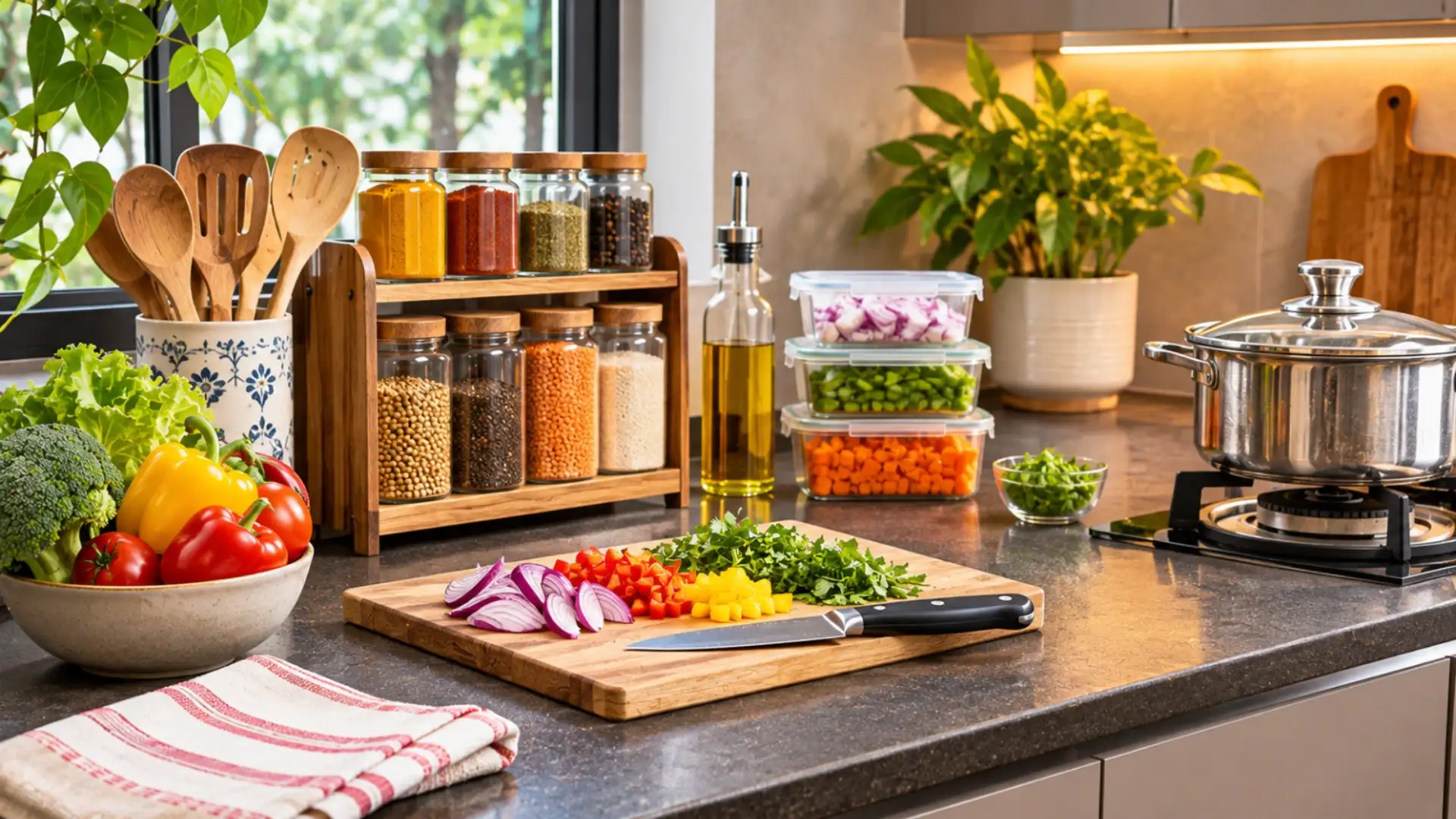
The good news is that a few changes to your kitchen routine can make cooking easier, faster and more organised. Here are 10 common kitchen habits you should avoid.
The good news is that a few changes to your kitchen routine can make cooking easier, faster and more organised. Here are 10 common kitchen habits you should avoid.
1. Not Planning Meals in Advance
Deciding what to cook only after entering the kitchen can waste a lot of time. You may end up searching for recipes, checking available ingredients or making repeated trips to the grocery store. Planning meals for the next few days helps you organise your shopping, prepare ingredients beforehand and avoid last-minute confusion.2. Keeping Kitchen Countertops Cluttered
A countertop covered with appliances, containers, utensils and unnecessary items leaves little room for actual food preparation . You may have to move things around every time you need to chop vegetables or knead dough. Keep only frequently used items on the counter and store the rest in cabinets or drawers.3. Not Organising Ingredients Properly
Searching through multiple containers for basic ingredients can interrupt your cooking routine. Keep spices, pulses, flour, cooking oils and other commonly used items in clearly labelled containers. Arrange them according to how frequently you use them so that everyday ingredients are always within easy reach.4. Using the Wrong Utensils for Cooking
Choosing an unsuitable utensil can make even simple cooking tasks more difficult. For example, using a small chopping board for large quantities of vegetables or an oversized pan for a small portion can slow down preparation. Keep basic kitchen tools organised and choose utensils according to the quantity and type of food you are preparing.5. Ignoring Food Preparation Before Cooking
Starting to cook before washing, peeling or chopping ingredients can lead to unnecessary interruptions. You may have to stop midway to prepare vegetables, measure spices or search for other ingredients. Before turning on the stove, read the recipe and keep everything you need ready. This simple habit can make the entire process smoother.6. Frequently Opening the Refrigerator
Opening the refrigerator repeatedly to check ingredients or decide what to use can waste time. It can also allow cold air to escape, making the appliance work harder. Decide what you need before opening the door and take out all the required ingredients together whenever possible.7. Using Too Many Dishes and Utensils
Using a separate bowl, spoon or container for every small task can create unnecessary washing and cleaning work. Whenever practical, reuse mixing bowls and measuring tools between steps, provided they are clean and safe for the ingredients being handled. You can also choose recipes that require fewer utensils without compromising the quality of the meal.8. Not Cleaning As You Cook
Leaving every dirty utensil, chopping board and ingredient wrapper until the end can make the kitchen feel overwhelming. Instead, clean small messes while waiting for water to boil or food to cook. Put ingredients back in their designated places and wash or soak utensils as you go. Avoid leaving knives or sharp tools in a sink full of water.9. Using Appliances Without Preparing Them in Advance
Searching for mixer attachments, blender jars or food processor blades after starting a recipe can interrupt the cooking process. Keep frequently used appliances and their accessories organised in an accessible place. Also, check whether the appliance needs to be assembled or cleaned before you begin.10. Not Storing Leftover Ingredients Properly
Leaving unused ingredients scattered across the countertop can create extra work later. It may also lead to food spoilage and unnecessary wastage. Store leftover vegetables, chopped ingredients and other perishable items in suitable airtight containers and refrigerate them promptly. Label containers when needed so you can easily identify what is available for your next meal.Final Thoughts
Cooking becomes much easier when your kitchen routine is organised and predictable. Planning meals, keeping ingredients accessible, preparing food in advance and cleaning as you go can save valuable time. Instead of changing everything at once, start by correcting a few of these everyday habits and gradually build a more efficient cooking routine.Next Story