
Common Mistakes First-Time Dog Owners Make And How To Build Better Habits From Day One

Bringing a dog home for the first time is exciting, but it also comes with a learning curve. New owners often have the best intentions yet may underestimate how much consistency, preparation and patience a pet needs. A dog needs more than food, affection and occasional playtime to settle comfortably into a new home. Feeding routines, exercise, training, grooming, socialisation and veterinary care all form part of responsible ownership. According to experts, understanding a dog’s individual needs is important because age, breed, size, temperament and health can influence its daily routine. Avoiding a few common mistakes early on can make the transition smoother for both the owner and the pet.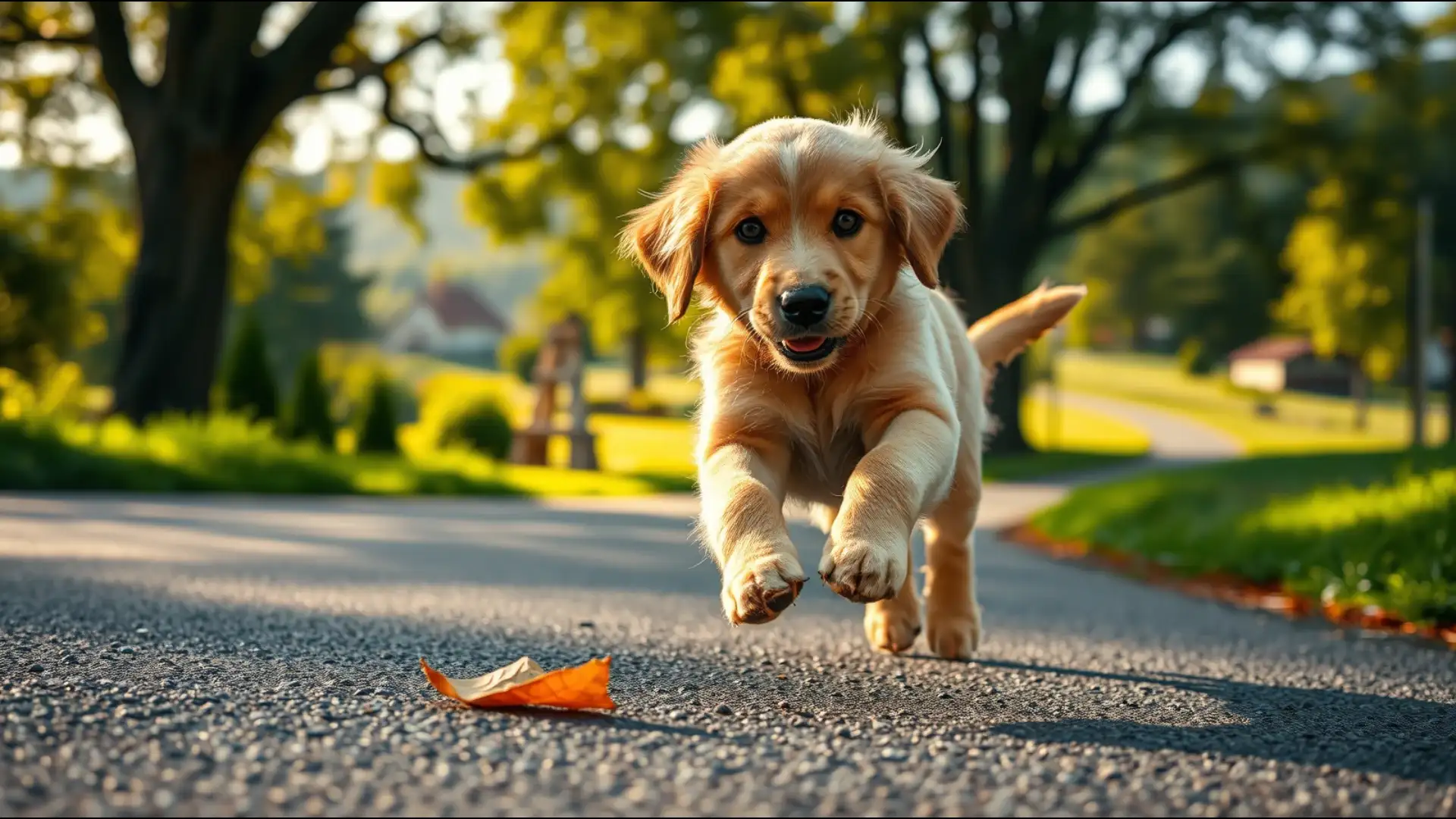
Basic commands and household rules can be introduced gradually using reward-based methods. Consistency matters too. If a dog is allowed on the sofa one day but scolded for it the next, it may struggle to understand the expected behaviour.
Dog food should be appropriate for the animal's life stage and individual needs. According to veterinary guidance, owners should also pay attention to portion sizes rather than relying only on the amount suggested by habit or guesswork.
Daily walks, play and suitable indoor activities can support a healthy routine. Mental stimulation also matters, so puzzle toys, scent games and short training sessions can add variety.
First-time owners should also pay attention to changes in appetite, behaviour, energy levels or toilet habits and seek professional advice when something seems unusual.
Patience, clear boundaries and positive reinforcement are central to many dog training for beginners approaches. With consistent care and realistic expectations, new owners can build a stronger relationship with their pets while helping them become comfortable and confident at home.
Treating Training As Optional
One of the most common mistakes first-time dog owners make is delaying training. Some owners assume obedience training can begin once a puppy gets older, while others only address unwanted behaviour after it becomes difficult to manage.Basic commands and household rules can be introduced gradually using reward-based methods. Consistency matters too. If a dog is allowed on the sofa one day but scolded for it the next, it may struggle to understand the expected behaviour.
Overfeeding Or Choosing Food Casually
Food is another area where new dog owner mistakes can happen. Giving too many treats or regularly feeding table scraps can contribute to an unbalanced diet or excessive calorie intake.Dog food should be appropriate for the animal's life stage and individual needs. According to veterinary guidance, owners should also pay attention to portion sizes rather than relying only on the amount suggested by habit or guesswork.
You may also like
- Building a house? Expert shares 7 architectural mistakes that cost a fortune to fix later
- OYO Hotel Rules for Unmarried Couples: What Couples Should Know Before Booking
- Meet Mian Asghar Ali from Pakistan who planted over 5,700 trees around his small home just to make his mother smile again
- Kareena Kapoor Khan on the conversations parents shouldn't postpone: 'It's important that even today a 10-year-old boy can be aware'
- Psychology says children who get jealous of their siblings are only feeling emotional: Why comparison can make it worse
Not Providing Enough Exercise
A dog needs regular physical activity, but the right amount varies between individual animals. Some owners may provide too little exercise, while others may push a young, elderly or less active dog too hard.Daily walks, play and suitable indoor activities can support a healthy routine. Mental stimulation also matters, so puzzle toys, scent games and short training sessions can add variety.
Skipping Routine Veterinary Care
Waiting until a dog appears unwell before contacting a vet is another mistake worth avoiding. Routine veterinary visits can help monitor overall health and keep vaccinations, parasite prevention and other preventive care on track.First-time owners should also pay attention to changes in appetite, behaviour, energy levels or toilet habits and seek professional advice when something seems unusual.
Expecting Instant Results
Dogs need time to understand a new environment and learn household routines. Expecting perfect behaviour immediately can lead to frustration for both sides.Patience, clear boundaries and positive reinforcement are central to many dog training for beginners approaches. With consistent care and realistic expectations, new owners can build a stronger relationship with their pets while helping them become comfortable and confident at home.






Loving Newspoint? Download the app now
