
7 Common Refrigerator Mistakes That Can Make Food Spoil Faster

A refrigerator helps keep food fresh for longer, but simply placing groceries inside does not guarantee that they will stay fresh. Small mistakes, such as setting the wrong temperature, overcrowding shelves or storing certain foods incorrectly, can affect how long your food lasts. These habits may also lead to unnecessary food waste and higher grocery expenses.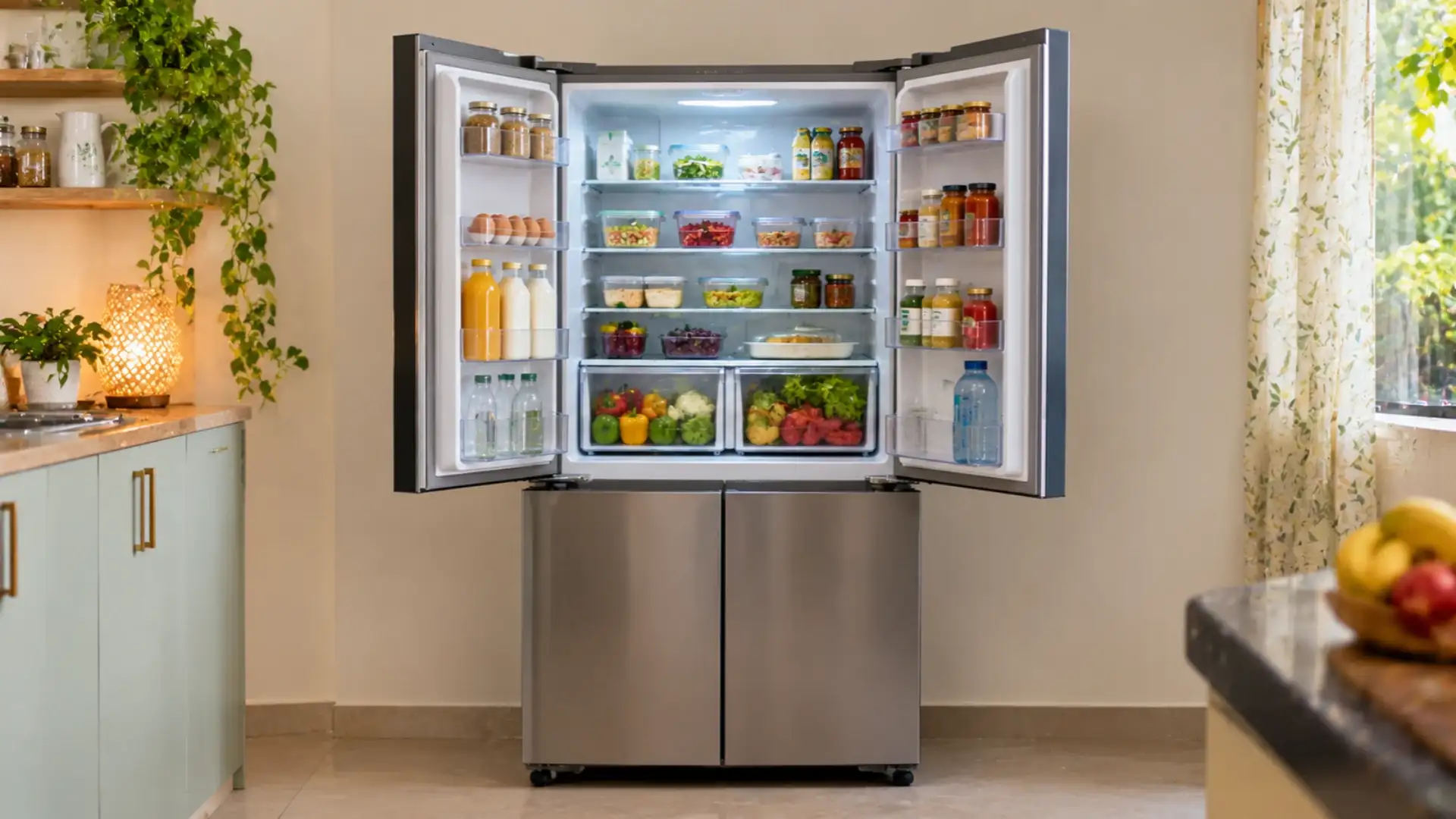
Here are seven common refrigerator mistakes you should avoid to keep your food fresh and safe for longer.
Ideally, your refrigerator should be maintained at or below 4°C, while the freezer should be set at around -18°C. Using a refrigerator thermometer can help you monitor the temperature accurately instead of relying only on the dial settings.
Try to leave enough space between containers and food packets so that air can move freely. Avoid pushing groceries against the cooling vents and organise items according to their storage needs.
Always use airtight containers or food-safe covers when storing leftovers. Keep raw ingredients properly wrapped as well, particularly meat and seafood, to prevent their juices from dripping onto other foods.
For example, the crisper drawers are generally suitable for fruits and vegetables, while the door shelves are better for condiments and other items that can tolerate temperature fluctuations. Milk and other highly perishable dairy products are better stored on an interior shelf rather than in the refrigerator door, where temperatures fluctuate more frequently.
Make it a habit to check food labels regularly and move older products towards the front so they are used first. You can also label containers with the date on which leftovers were prepared. Remember that refrigeration does not make food safe indefinitely, so discard items that have been stored for too long or show signs of spoilage.
The better approach is to divide large portions into smaller, shallow containers so they cool more quickly. Refrigerate perishable food within two hours of cooking, or within one hour if the surrounding temperature is above 32°C.
Clean shelves, drawers and door compartments regularly using a mild cleaning solution suitable for food-contact surfaces. Check for spoiled produce and leaking containers at least once a week. Keeping the refrigerator clean also makes it easier to identify food that needs to be used soon.
Here are seven common refrigerator mistakes you should avoid to keep your food fresh and safe for longer.
1. Setting the Wrong Refrigerator Temperature
One of the most common mistakes is keeping the refrigerator at an unsuitable temperature. If it is too warm, bacteria can multiply more quickly and food may spoil sooner. On the other hand, an excessively cold setting can freeze items that should remain chilled.Ideally, your refrigerator should be maintained at or below 4°C, while the freezer should be set at around -18°C. Using a refrigerator thermometer can help you monitor the temperature accurately instead of relying only on the dial settings.
2. Overcrowding the Refrigerator Shelves
Filling every shelf with groceries may seem like an efficient way to store food, but overcrowding can prevent cold air from circulating properly. This can create warmer spots inside the refrigerator, causing some items to spoil faster than others.Try to leave enough space between containers and food packets so that air can move freely. Avoid pushing groceries against the cooling vents and organise items according to their storage needs.
3. Storing Food Without Proper Covering
Leaving cooked food, chopped vegetables and leftover meals uncovered is another common mistake. Food can absorb odours from other items, lose moisture and become exposed to contamination.Always use airtight containers or food-safe covers when storing leftovers. Keep raw ingredients properly wrapped as well, particularly meat and seafood, to prevent their juices from dripping onto other foods.
4. Keeping Every Food Item in the Wrong Compartment
Different refrigerator compartments are designed to store different types of food. Placing everything wherever there is space can affect freshness and storage life.You may also like
- When will the new exam schedule for MP Police Constable recruitment be released? Here is what the Board has to say
- Life Insurance: Before buying, check these figures to see if the insurance company will pay your claim
- New ESIC Rules: Sickness and Maternity Benefits to be Credited Directly to Accounts Without Separate Claims
- Solar Panels: Government Introduces 'Smart Grid' – A Major New Development in the 'Surya Ghar' Scheme
- 8,000 Vehicles Fined in Delhi for Lacking PUC; 321 Cars and Bikes Impounded
For example, the crisper drawers are generally suitable for fruits and vegetables, while the door shelves are better for condiments and other items that can tolerate temperature fluctuations. Milk and other highly perishable dairy products are better stored on an interior shelf rather than in the refrigerator door, where temperatures fluctuate more frequently.
5. Ignoring Expiry and Use-By Dates
Many people forget about groceries once they are placed at the back of the refrigerator. As a result, products may remain unused until they are past their expiry or use-by dates.Make it a habit to check food labels regularly and move older products towards the front so they are used first. You can also label containers with the date on which leftovers were prepared. Remember that refrigeration does not make food safe indefinitely, so discard items that have been stored for too long or show signs of spoilage.
6. Putting Hot Food Directly Into the Refrigerator
Leaving cooked food outside for several hours until it reaches room temperature is not a good storage habit. However, placing a large pot of steaming-hot food directly inside the refrigerator can also raise the temperature around nearby items.The better approach is to divide large portions into smaller, shallow containers so they cool more quickly. Refrigerate perishable food within two hours of cooking, or within one hour if the surrounding temperature is above 32°C.
7. Not Cleaning the Refrigerator Regularly
Food spills, forgotten leftovers and vegetable scraps can accumulate inside the refrigerator over time. These can create unpleasant odours and increase the risk of cross-contamination.Clean shelves, drawers and door compartments regularly using a mild cleaning solution suitable for food-contact surfaces. Check for spoiled produce and leaking containers at least once a week. Keeping the refrigerator clean also makes it easier to identify food that needs to be used soon.
Final Thoughts
Keeping food fresh is not just about buying groceries and placing them in the refrigerator. Correct temperature settings, proper storage, sufficient airflow and regular cleaning all play an important role in preventing premature spoilage. By avoiding these common mistakes, you can make your groceries last longer, reduce food waste and maintain a cleaner, more organised refrigerator.





Loving Newspoint? Download the app now
