
Container Gardening: A Guide To Greenery Without A Yard

In the realm of gardening , the absence of a yard doesn't have to hinder your green thumb ambitions. Container gardening offers a flexible and rewarding solution, allowing you to cultivate vibrant plants even in the confines of small spaces like balconies , patios, or windowsills. To embark on this fulfilling journey, consider these crucial tips for successfully starting a container garden .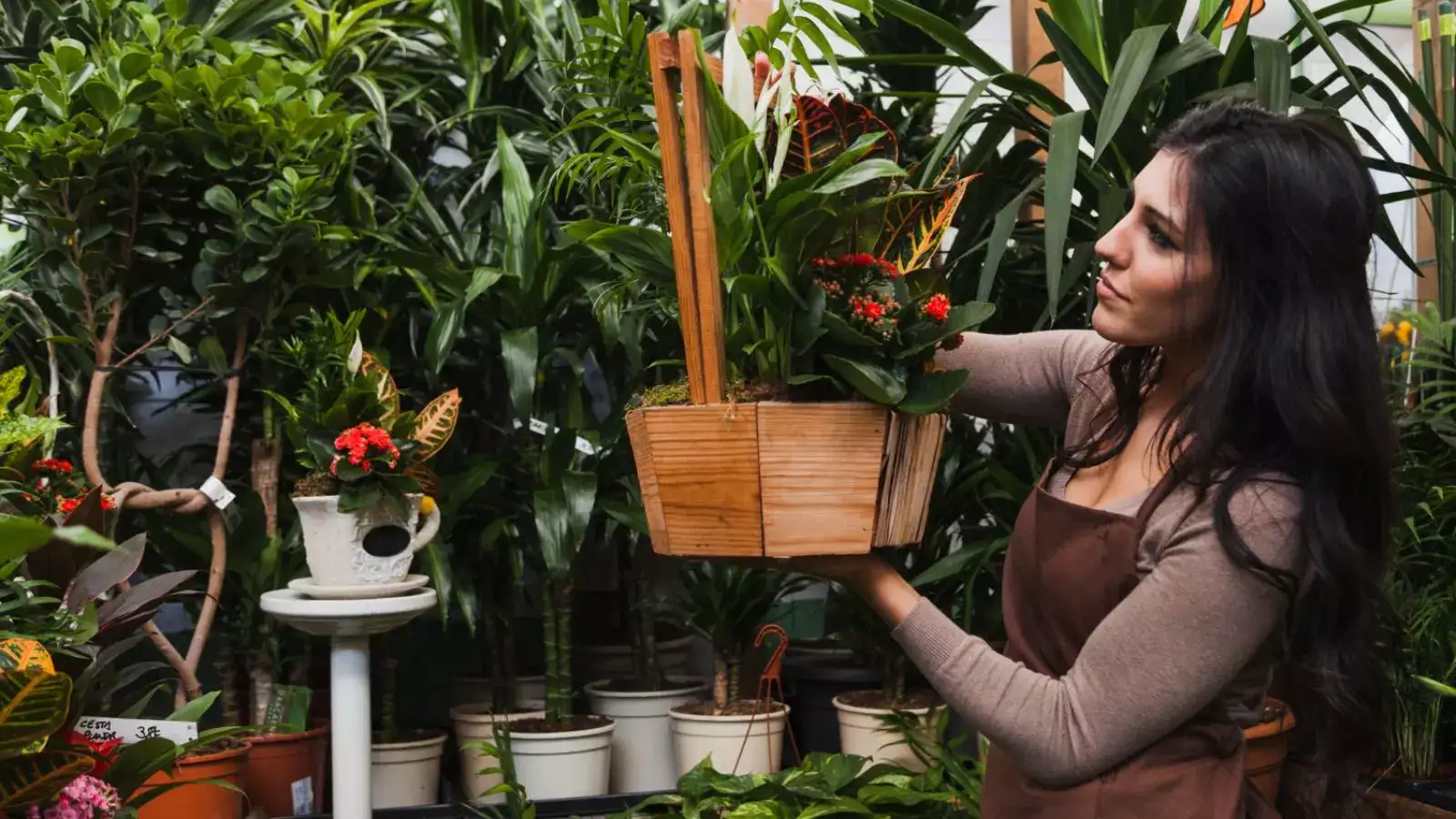
1. Select the Right Containers: When choosing containers, prioritize functionality and aesthetics. Opt for containers with drainage holes to prevent waterlogging, ensuring healthy root growth. Additionally, consider the material—terra cotta, plastic, or ceramic—all of which have different moisture retention properties.
2. Choose Suitable Plants: Not all plants thrive in containers, so select varieties that adapt well to confined spaces. Herbs like basil, thyme, and mint, as well as compact vegetables like cherry tomatoes and lettuce, are ideal for container gardening. Flowers such as petunias, marigolds, and pansies also flourish in pots.
3. Provide Adequate Drainage and Soil: Good drainage is vital for container plants. Layer the bottom of your pots with gravel or broken pottery to enhance drainage. Use high-quality potting mix that is lightweight, well-draining, and rich in nutrients to support healthy plant growth.
4. Sunlight Requirements: Assess the sunlight conditions in your space before choosing plants. Most vegetables and herbs require at least six hours of sunlight daily, while some shade-loving plants can thrive with indirect sunlight. Place your containers accordingly to optimize sun exposure.
5. Water Regularly: Container plants often require more frequent watering than those in the ground since pots can dry out quickly. Check the soil moisture regularly and water accordingly, ensuring it remains consistently moist but not waterlogged. Consider using self-watering containers for added convenience.
6. Fertilise Appropriately: Container plants rely on you for nutrients since they can't access soil nutrients like their counterparts in the ground. Feed your plants with a balanced, slow-release fertilizer or liquid fertilizer according to their specific needs to promote healthy growth and abundant blooms.
7. Monitor for Pests and Diseases: Keep an eye out for common pests like aphids, spider mites, and whiteflies, as well as signs of diseases such as powdery mildew or leaf spot. Regularly inspect your plants and promptly address any issues with organic pest control methods or fungicides if necessary.
8. Prune and Deadhead: Regular pruning and deadheading help maintain the health and appearance of your container garden. Remove dead or wilted leaves, spent flowers, and overcrowded growth to encourage new growth and prolong flowering periods.
9. Rotate and Repot: To prevent root-bound plants and soil depletion, periodically rotate your containers and repot your plants into larger containers as needed. This allows for better airflow, root development, and overall plant health.
10. Enjoy the Process: Lastly, container gardening is not just about the end result but also the journey. Take pleasure in nurturing your plants, observing their growth, and reaping the rewards of your efforts as your container garden flourishes.
Container gardening opens up endless possibilities for cultivating greenery and blooms, regardless of your living situation. By following these crucial tips, you can embark on a successful container gardening journey, bringing nature's beauty and bounty right to your doorstep. Happy gardening!
1. Select the Right Containers: When choosing containers, prioritize functionality and aesthetics. Opt for containers with drainage holes to prevent waterlogging, ensuring healthy root growth. Additionally, consider the material—terra cotta, plastic, or ceramic—all of which have different moisture retention properties.
2. Choose Suitable Plants: Not all plants thrive in containers, so select varieties that adapt well to confined spaces. Herbs like basil, thyme, and mint, as well as compact vegetables like cherry tomatoes and lettuce, are ideal for container gardening. Flowers such as petunias, marigolds, and pansies also flourish in pots.
3. Provide Adequate Drainage and Soil: Good drainage is vital for container plants. Layer the bottom of your pots with gravel or broken pottery to enhance drainage. Use high-quality potting mix that is lightweight, well-draining, and rich in nutrients to support healthy plant growth.
4. Sunlight Requirements: Assess the sunlight conditions in your space before choosing plants. Most vegetables and herbs require at least six hours of sunlight daily, while some shade-loving plants can thrive with indirect sunlight. Place your containers accordingly to optimize sun exposure.
5. Water Regularly: Container plants often require more frequent watering than those in the ground since pots can dry out quickly. Check the soil moisture regularly and water accordingly, ensuring it remains consistently moist but not waterlogged. Consider using self-watering containers for added convenience.
6. Fertilise Appropriately: Container plants rely on you for nutrients since they can't access soil nutrients like their counterparts in the ground. Feed your plants with a balanced, slow-release fertilizer or liquid fertilizer according to their specific needs to promote healthy growth and abundant blooms.
7. Monitor for Pests and Diseases: Keep an eye out for common pests like aphids, spider mites, and whiteflies, as well as signs of diseases such as powdery mildew or leaf spot. Regularly inspect your plants and promptly address any issues with organic pest control methods or fungicides if necessary.
8. Prune and Deadhead: Regular pruning and deadheading help maintain the health and appearance of your container garden. Remove dead or wilted leaves, spent flowers, and overcrowded growth to encourage new growth and prolong flowering periods.
9. Rotate and Repot: To prevent root-bound plants and soil depletion, periodically rotate your containers and repot your plants into larger containers as needed. This allows for better airflow, root development, and overall plant health.
10. Enjoy the Process: Lastly, container gardening is not just about the end result but also the journey. Take pleasure in nurturing your plants, observing their growth, and reaping the rewards of your efforts as your container garden flourishes.
Container gardening opens up endless possibilities for cultivating greenery and blooms, regardless of your living situation. By following these crucial tips, you can embark on a successful container gardening journey, bringing nature's beauty and bounty right to your doorstep. Happy gardening!
Next Story