
Cooking Oils and Heart Health: 5 Common Oils That May Be Slowly Damaging Your Heart

Cooking oils and heart health are more closely connected than most people realise. While oil is a kitchen staple that enhances flavour, texture and appearance, not every oil supports your wellbeing. In fact, certain commonly used cooking oils may silently increase the risk of inflammation, heart disease and other serious health issues when overheated or over-processed.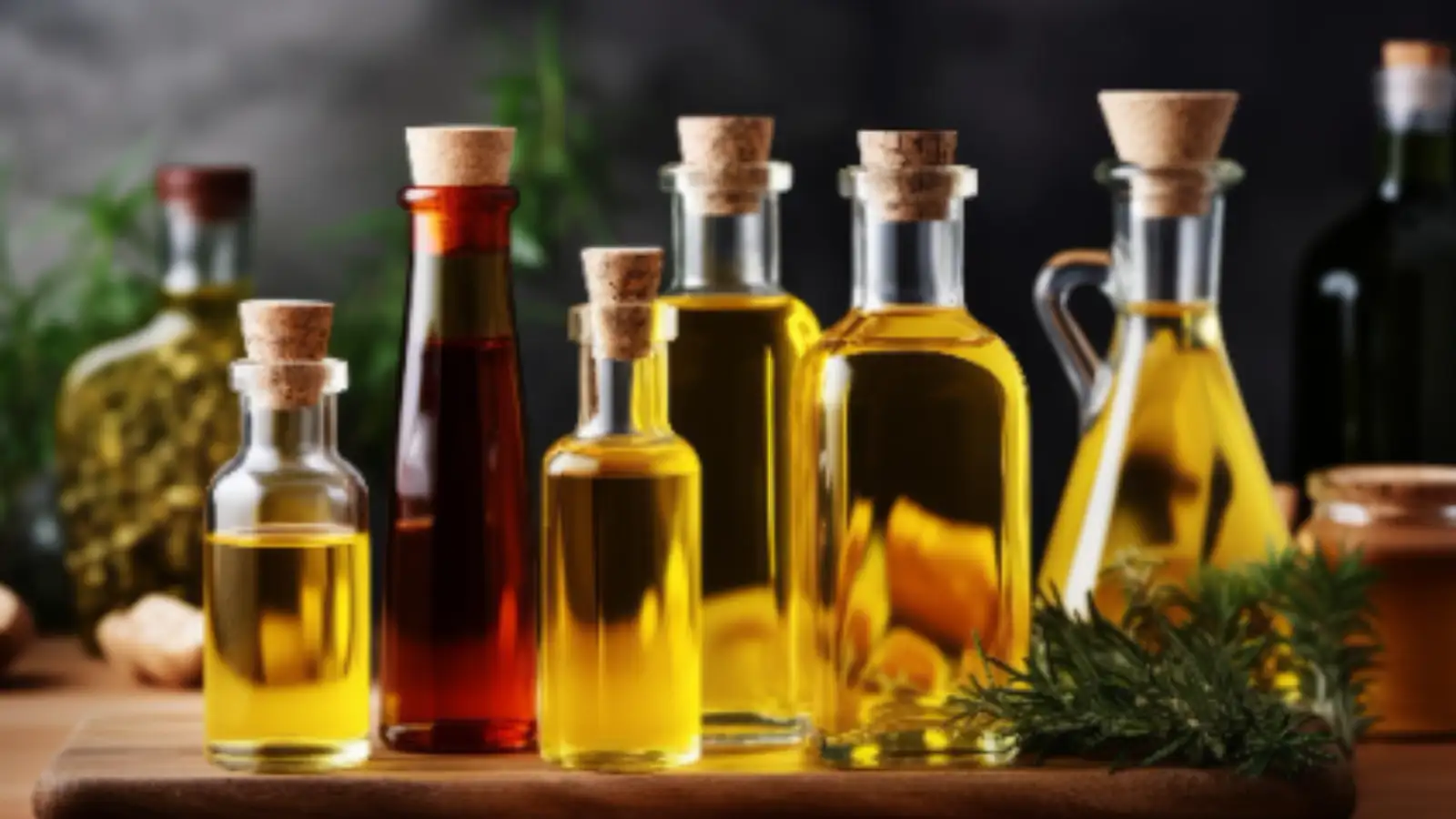
A study published in the National Library of Medicine highlights that heating some refined oils at high temperatures can release toxic compounds such as aldehydes and polycyclic aromatic hydrocarbons (PAHs). These substances are linked to inflammation, DNA damage, respiratory problems and a higher risk of cardiovascular disease and cancer. Here are five common cooking oils you may want to rethink.
1. Soybean Oil: Cheap but Potentially Harmful
National Library of Medicine research suggests that heating highly refined oils can produce harmful toxins. Soybean oil, widely used due to its low cost and availability, is one such oil.
Why It May Be Risky:
Although it is popular in packaged foods and restaurants, frequent consumption could negatively impact heart health over time.
2. Cottonseed Oil: Hidden Chemical Concerns
Cottonseed oil is derived from the cotton plant, which is not naturally considered edible and is often heavily treated with pesticides.
Health Concerns:
Given its origin and processing, it’s best used sparingly.
3. Corn Oil: High Omega-6, Low Omega-3 Balance
Corn oil is another refined oil commonly found in processed foods and home kitchens.
Why It’s Problematic:
Excessive use may increase the risk of heart disease, obesity, diabetes and even certain cancers.
4. Vegetable Oil: A Processed Blend with Hidden Risks
“Vegetable oil” often sounds healthy, but it is typically a blend of multiple refined oils.
The Main Issues:
Regular use, especially for deep frying or reheating, can contribute to vascular inflammation and long-term cardiovascular damage.
5. Refined Sunflower Oil: Not Ideal for High Heat
Sunflower oil is often marketed as a healthy choice. However, not all versions are equal.
What You Should Know:
While high-oleic sunflower oil is more stable, regular refined sunflower oil is not suitable for frequent high-heat cooking.
The Bigger Picture: Heat and Reuse Matter
Regardless of the type of oil, overheating or repeatedly reusing oil significantly increases the formation of harmful compounds. Deep frying and prolonged cooking at high temperatures are particularly risky.
Smart Cooking Tips:
Cooking oils are essential in everyday meals, but making informed choices can protect your heart in the long run. Over-processed and repeatedly heated oils may slowly damage your cardiovascular system through inflammation and toxic byproducts. By selecting more stable options and avoiding excessive heat, you can significantly reduce health risks and support better heart health.
A study published in the National Library of Medicine highlights that heating some refined oils at high temperatures can release toxic compounds such as aldehydes and polycyclic aromatic hydrocarbons (PAHs). These substances are linked to inflammation, DNA damage, respiratory problems and a higher risk of cardiovascular disease and cancer. Here are five common cooking oils you may want to rethink.
1. Soybean Oil: Cheap but Potentially Harmful
National Library of Medicine research suggests that heating highly refined oils can produce harmful toxins. Soybean oil, widely used due to its low cost and availability, is one such oil.
Why It May Be Risky:
- High in omega-6 fatty acids, which may promote inflammation if not balanced with omega-3s
- Often extracted using chemical solvents such as hexane
- May produce toxic compounds when heated to high temperatures
- Linked to weight gain, insulin resistance and glucose intolerance when consumed excessively
Although it is popular in packaged foods and restaurants, frequent consumption could negatively impact heart health over time.
2. Cottonseed Oil: Hidden Chemical Concerns
Cottonseed oil is derived from the cotton plant, which is not naturally considered edible and is often heavily treated with pesticides.
Health Concerns:
- Contains gossypol, a compound that may affect liver and reproductive health in high amounts
- Undergoes heavy refining processes
- Limited nutritional benefits
Given its origin and processing, it’s best used sparingly.
3. Corn Oil: High Omega-6, Low Omega-3 Balance
Corn oil is another refined oil commonly found in processed foods and home kitchens.
Why It’s Problematic:
- Rich in omega-6 fatty acids but low in omega-3
- May promote chronic inflammation
- Refined using chemical solvents
- Nutrients are significantly reduced during processing
Excessive use may increase the risk of heart disease, obesity, diabetes and even certain cancers.
4. Vegetable Oil: A Processed Blend with Hidden Risks
“Vegetable oil” often sounds healthy, but it is typically a blend of multiple refined oils.
You may also like
 Google Gemini 3.1 Pro launched: How it is better from Gemini 3.0 Pro
 Assam CM Sarma involved in divisive politics: Priyanka Gandhi
- Most of Trump's tariffs struck down by US Supreme Court
 NIA charge sheets woman Maoist commander in 2023 Narayanpur 'Jan Adalat' murder case
 Gujarat CM hails Amul AI 'Sarlaben' as game-changer for dairy farmers, cites Nandan Nilekani's remarks at AI Impact Summit
The Main Issues:
- Highly processed and stripped of natural nutrients
- Can form trans fats during processing
- Repeated heating increases toxic byproducts
- May raise cholesterol and blood pressure
Regular use, especially for deep frying or reheating, can contribute to vascular inflammation and long-term cardiovascular damage.
5. Refined Sunflower Oil: Not Ideal for High Heat
Sunflower oil is often marketed as a healthy choice. However, not all versions are equal.
What You Should Know:
- Standard refined sunflower oil is high in omega-6 fatty acids
- Overheating can lead to oxidation
- Produces aldehydes and free radicals when exposed to high temperatures
- Linked to inflammation, heart disease and increased cancer risk
While high-oleic sunflower oil is more stable, regular refined sunflower oil is not suitable for frequent high-heat cooking.
The Bigger Picture: Heat and Reuse Matter
Regardless of the type of oil, overheating or repeatedly reusing oil significantly increases the formation of harmful compounds. Deep frying and prolonged cooking at high temperatures are particularly risky.
Smart Cooking Tips:
- Avoid reheating the same oil multiple times
- Choose oils with better heat stability
- Balance omega-6 intake with omega-3-rich foods
- Limit consumption of heavily processed oils
Cooking oils are essential in everyday meals, but making informed choices can protect your heart in the long run. Over-processed and repeatedly heated oils may slowly damage your cardiovascular system through inflammation and toxic byproducts. By selecting more stable options and avoiding excessive heat, you can significantly reduce health risks and support better heart health.






More from our partners


Loving Newspoint? Download the app now
