
10 Countries Where Mountain Train Journeys Are as Beautiful as the Destinations

Mountain journeys are often associated with winding roads, dramatic viewpoints and long drives through spectacular landscapes. However, in some countries, the railway itself is one of the most memorable parts of the trip. Trains climb steep slopes, cross high bridges, pass through tunnels and connect villages that would otherwise require complicated road journeys. These routes offer travellers a chance to enjoy mountain scenery at a slower pace while discovering local history and engineering achievements. From Europe's Alpine railways to historic Himalayan lines and high-altitude journeys in South America, several countries have made mountain trains an essential part of their travel experience.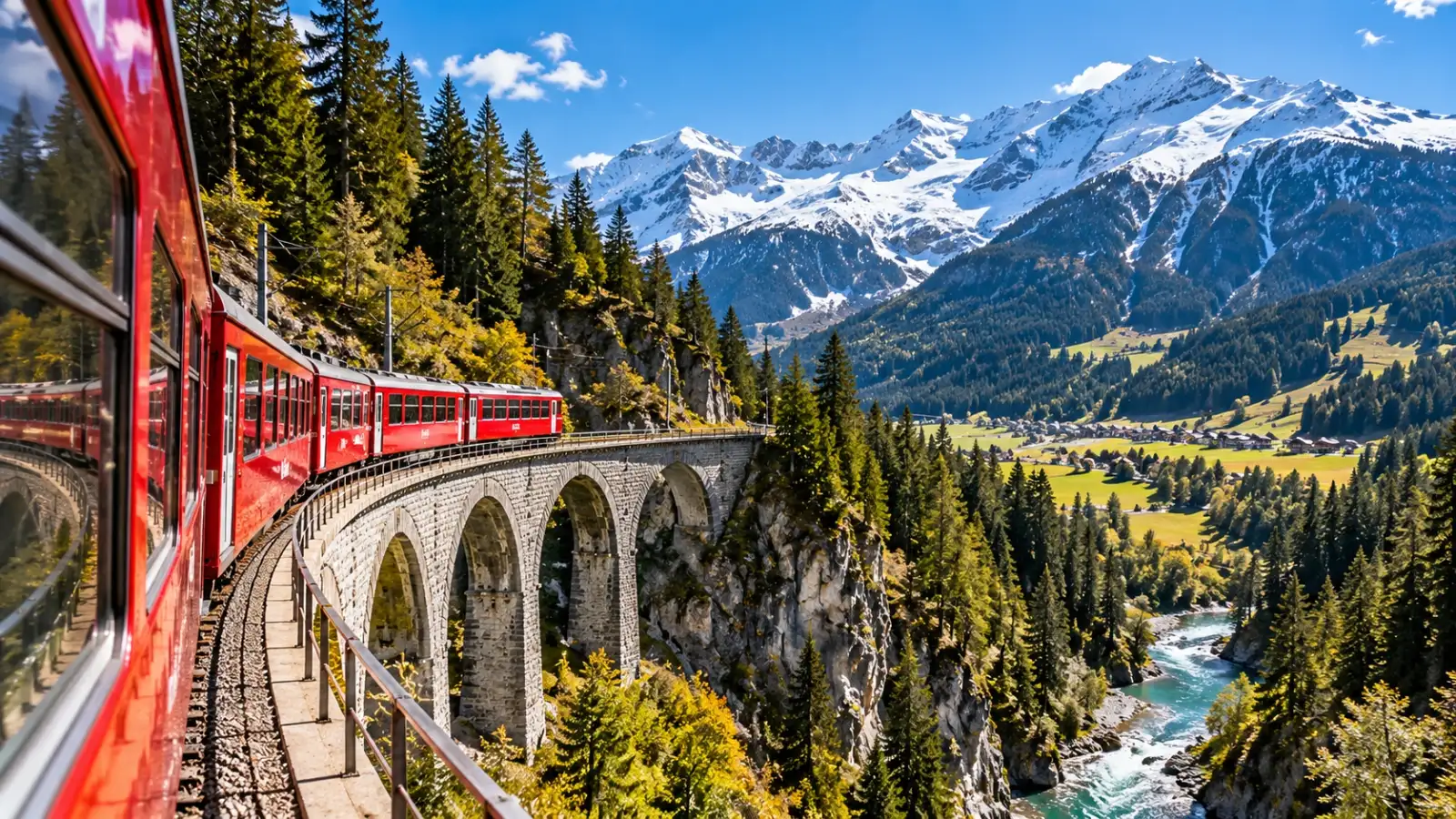
The Glacier Express, which connects Zermatt and St. Moritz, is famous for its long scenic journey through the Alps. The route crosses impressive bridges, passes through mountain valleys and offers views of forests, rivers and traditional settlements.
Another celebrated route is the Bernina Express, which travels between Switzerland and Italy. Its journey includes high mountain scenery, dramatic changes in elevation and the famous Landwasser Viaduct on the wider regional railway network.
Travellers can also explore mountain railways that climb towards viewpoints and hiking areas. Services, seasonal conditions and ticket requirements vary, so check the timetable before planning connections.
The Darjeeling Himalayan Railway in West Bengal is known for its narrow-gauge track, mountain views and close connection with the town's colonial-era history. Its route passes through settlements and landscapes associated with the eastern Himalayas.
The Kalka-Shimla Railway is another famous line. It crosses numerous bridges and tunnels while climbing towards Shimla, offering views of forested hills and mountain communities.
The Nilgiri Mountain Railway in Tamil Nadu provides a different experience, passing through the Nilgiri Hills with tea plantations, wooded slopes and misty valleys along parts of the route.
These railways are popular with heritage and photography enthusiasts. Check operating dates, ticket availability and any service changes before travelling, particularly during the monsoon or periods of heavy rain.
The Schafberg Railway, near St. Wolfgang, is a well-known mountain railway that climbs towards panoramic views of lakes and alpine peaks. Its steam-powered services on selected journeys add a historic character to the experience.
Austria also has scenic mainline routes through valleys and mountain passes. The Semmering Railway, a historic engineering achievement, is recognised for its viaducts, tunnels and mountain landscape.
Travellers can build a journey around railway stations in towns such as Innsbruck or Salzburg, then continue towards alpine destinations by regional train or connecting transport.
Weather can affect mountain services, so check schedules and operating seasons before booking.
The Bergen Railway connects Oslo and Bergen across high mountain terrain. The journey includes expansive landscapes and views of the Hardangervidda plateau, with scenery that changes noticeably across the route.
The Flåm Railway is another popular choice. It runs between Myrdal and Flåm, descending through a steep valley with waterfalls, cliffs and mountain scenery. It is often combined with boat trips through the nearby fjord region.
Norway's changing seasons create different experiences, from summer greenery and long daylight hours to winter snow and subdued mountain colours.
Book popular services in advance during busy travel periods, and allow enough time for connections with buses or boats.
The Bernina railway route links Italy's Tirano with Switzerland's St. Moritz, offering access to dramatic alpine scenery. Although the Bernina Express itself crosses the Swiss-Italian border, regional trains also operate along the line and may provide more flexible travel options.
Italy's northern regions also have local railways serving mountain communities and lakeside destinations. Travellers can combine train journeys with hiking, cable cars and visits to traditional villages.
The best route depends on the season and your interests. Summer offers access to many walking trails, while winter journeys may provide snowy landscapes, although weather can affect operations.
The Hakone Tozan Railway is a well-known example. It climbs through a mountainous area near Mount Fuji, using switchbacks to gain elevation along its route. The railway is particularly popular with visitors exploring Hakone's hot springs, museums and surrounding scenery.
In other parts of Japan, local trains connect mountain villages and regions known for traditional architecture, hiking and seasonal foliage. Autumn journeys can be especially appealing when forests change colour, while spring offers fresh greenery and blossom in suitable locations.
Japan's rail system is generally well organised, but local services may run less frequently than urban trains. Check departure times carefully if you are planning several stops in one day.
The Qinghai-Tibet Railway is particularly notable for its high-altitude route towards Lhasa. It is an engineering achievement associated with challenging terrain, permafrost and thin air at high elevations.
Travellers can experience vast plateau landscapes, mountain views and remote settlements from the train. However, this is not a conventional short mountain excursion. The route involves long-distance travel and high altitude, so visitors should plan carefully and consider how they will respond to reduced oxygen levels.
China also has scenic regional rail routes through mountainous areas, although access, ticketing requirements and travel rules can vary. Check current regulations and official transport information before booking.
The train route between Cusco and the Machu Picchu area is one of the country's best-known rail experiences. Depending on the service and departure point, the journey passes through valleys, riverside landscapes and steep mountain terrain.
Another historic route connects Cusco and Puno near Lake Titicaca, crossing high-altitude landscapes on a longer journey. It provides a different perspective on the Andes, with wide plains and mountain views rather than only steep valleys.
Because these routes operate at high elevations, travellers should consider acclimatisation and allow time for travel delays. Ticket availability can be limited during popular periods, particularly for services associated with Machu Picchu.
The Montenvers Railway near Chamonix is a historic rack railway that climbs towards views of the Mer de Glace area and surrounding peaks. It is a popular addition to a visit to the Mont Blanc region.
France also has regional trains connecting alpine communities with larger transport hubs. These services can make it possible to combine railway travel with hiking, mountain cable cars and visits to traditional villages.
Check mountain conditions and the operating status of connected attractions before travelling. Snow, maintenance and seasonal demand can affect the availability of services and onward transport.
The Bayerische Zugspitzbahn is a notable example. It connects the Garmisch-Partenkirchen area with routes towards the Zugspitze, Germany's highest mountain. The journey combines conventional railway travel with mountain railway infrastructure, depending on the section chosen.
Travellers can also explore regional trains through Bavaria, using towns such as Garmisch-Partenkirchen as starting points for mountain excursions.
The scenery changes with the seasons, from green valleys and alpine meadows in warmer months to snow-covered landscapes in winter. Mountain excursions may involve cable cars or other transport beyond the train station, so check the full route before setting out.
Keep these points in mind:
Mountain railways offer more than a convenient way to cross difficult terrain. They reveal how countries adapted transport systems to steep slopes, high elevations and remote communities. Switzerland and Austria are known for alpine rail journeys, India preserves historic Himalayan lines, while Norway, Japan, China, Peru, France and Germany offer distinctive experiences of their own. The best route depends on your interests, travel dates and comfort with long journeys or high altitudes. By checking schedules and planning connections carefully, travellers can make the railway itself one of the highlights of a mountain holiday.
1. Switzerland: Scenic Trains Through the Alps
Switzerland is one of the best-known countries for mountain railway journeys. Its extensive rail network connects alpine villages, lakeside towns and mountain resorts, allowing travellers to enjoy spectacular views without relying entirely on road transport.The Glacier Express, which connects Zermatt and St. Moritz, is famous for its long scenic journey through the Alps. The route crosses impressive bridges, passes through mountain valleys and offers views of forests, rivers and traditional settlements.
Another celebrated route is the Bernina Express, which travels between Switzerland and Italy. Its journey includes high mountain scenery, dramatic changes in elevation and the famous Landwasser Viaduct on the wider regional railway network.
Travellers can also explore mountain railways that climb towards viewpoints and hiking areas. Services, seasonal conditions and ticket requirements vary, so check the timetable before planning connections.
2. India: Historic Trains Through the Himalayas
India has several historic mountain railways that combine scenic travel with remarkable engineering. These routes were developed to connect hill stations with the plains, and some continue to operate as heritage attractions.The Darjeeling Himalayan Railway in West Bengal is known for its narrow-gauge track, mountain views and close connection with the town's colonial-era history. Its route passes through settlements and landscapes associated with the eastern Himalayas.
The Kalka-Shimla Railway is another famous line. It crosses numerous bridges and tunnels while climbing towards Shimla, offering views of forested hills and mountain communities.
The Nilgiri Mountain Railway in Tamil Nadu provides a different experience, passing through the Nilgiri Hills with tea plantations, wooded slopes and misty valleys along parts of the route.
These railways are popular with heritage and photography enthusiasts. Check operating dates, ticket availability and any service changes before travelling, particularly during the monsoon or periods of heavy rain.
3. Austria: Alpine Villages and Mountain Rail Connections
Austria's railways make it easy to combine city visits with trips into the Alps. Trains connect major towns with mountain regions, while selected narrow-gauge and rack railways provide access to elevated viewpoints.The Schafberg Railway, near St. Wolfgang, is a well-known mountain railway that climbs towards panoramic views of lakes and alpine peaks. Its steam-powered services on selected journeys add a historic character to the experience.
Austria also has scenic mainline routes through valleys and mountain passes. The Semmering Railway, a historic engineering achievement, is recognised for its viaducts, tunnels and mountain landscape.
Travellers can build a journey around railway stations in towns such as Innsbruck or Salzburg, then continue towards alpine destinations by regional train or connecting transport.
Weather can affect mountain services, so check schedules and operating seasons before booking.
4. Norway: Rail Journeys Through Dramatic Mountain Landscapes
Norway's rail network offers journeys through rugged mountains, deep valleys, forests and remote settlements. Although not every scenic line is a dedicated mountain railway, several routes make the railway an important part of the travel experience.The Bergen Railway connects Oslo and Bergen across high mountain terrain. The journey includes expansive landscapes and views of the Hardangervidda plateau, with scenery that changes noticeably across the route.
The Flåm Railway is another popular choice. It runs between Myrdal and Flåm, descending through a steep valley with waterfalls, cliffs and mountain scenery. It is often combined with boat trips through the nearby fjord region.
Norway's changing seasons create different experiences, from summer greenery and long daylight hours to winter snow and subdued mountain colours.
Book popular services in advance during busy travel periods, and allow enough time for connections with buses or boats.
5. Italy: Historic Railways and Dramatic Alpine Passes
Italy offers a mix of historic mountain railways and scenic routes through the Alps and Dolomites. These journeys connect towns, resort areas and valleys while revealing landscapes that can be difficult to appreciate from a motorway.The Bernina railway route links Italy's Tirano with Switzerland's St. Moritz, offering access to dramatic alpine scenery. Although the Bernina Express itself crosses the Swiss-Italian border, regional trains also operate along the line and may provide more flexible travel options.
Italy's northern regions also have local railways serving mountain communities and lakeside destinations. Travellers can combine train journeys with hiking, cable cars and visits to traditional villages.
The best route depends on the season and your interests. Summer offers access to many walking trails, while winter journeys may provide snowy landscapes, although weather can affect operations.
6. Japan: Mountain Railways Through Forests and Historic Towns
Japan's railway network includes several routes that make mountain travel a central attraction. Trains pass through forested valleys, cross bridges and connect rural communities with historic towns and outdoor destinations.The Hakone Tozan Railway is a well-known example. It climbs through a mountainous area near Mount Fuji, using switchbacks to gain elevation along its route. The railway is particularly popular with visitors exploring Hakone's hot springs, museums and surrounding scenery.
In other parts of Japan, local trains connect mountain villages and regions known for traditional architecture, hiking and seasonal foliage. Autumn journeys can be especially appealing when forests change colour, while spring offers fresh greenery and blossom in suitable locations.
Japan's rail system is generally well organised, but local services may run less frequently than urban trains. Check departure times carefully if you are planning several stops in one day.
7. China: High-Altitude Railways and Mountain Scenery
China has an extensive railway network that crosses a variety of landscapes, including high plateaus, mountain ranges and remote regions.The Qinghai-Tibet Railway is particularly notable for its high-altitude route towards Lhasa. It is an engineering achievement associated with challenging terrain, permafrost and thin air at high elevations.
Travellers can experience vast plateau landscapes, mountain views and remote settlements from the train. However, this is not a conventional short mountain excursion. The route involves long-distance travel and high altitude, so visitors should plan carefully and consider how they will respond to reduced oxygen levels.
China also has scenic regional rail routes through mountainous areas, although access, ticketing requirements and travel rules can vary. Check current regulations and official transport information before booking.
8. Peru: Railway Journeys Through the Andes
Peru offers railway journeys through the Andes that combine mountain scenery with access to major cultural and historic destinations.The train route between Cusco and the Machu Picchu area is one of the country's best-known rail experiences. Depending on the service and departure point, the journey passes through valleys, riverside landscapes and steep mountain terrain.
Another historic route connects Cusco and Puno near Lake Titicaca, crossing high-altitude landscapes on a longer journey. It provides a different perspective on the Andes, with wide plains and mountain views rather than only steep valleys.
Because these routes operate at high elevations, travellers should consider acclimatisation and allow time for travel delays. Ticket availability can be limited during popular periods, particularly for services associated with Machu Picchu.
9. France: Alpine Railways and Mountain Access
France's mountain railways provide access to alpine towns, valleys and elevated viewpoints. In the French Alps, selected rail services are designed around steep gradients and scenic landscapes.The Montenvers Railway near Chamonix is a historic rack railway that climbs towards views of the Mer de Glace area and surrounding peaks. It is a popular addition to a visit to the Mont Blanc region.
France also has regional trains connecting alpine communities with larger transport hubs. These services can make it possible to combine railway travel with hiking, mountain cable cars and visits to traditional villages.
You may also like
- Why do married women worship the moon—and not the Sun god—on Karwa Chauth?
- “No TV, no phones…”: How Asin and her husband are raising their daughter away from screens; “She can speak about 12 languages”
- Essential Guide for Senior Citizens Planning a Pilgrimage
- Understanding the Significance of Karwa Chauth: Traditions and Rituals
- Karwa Chauth 2023: Essential Details on Bhadra and Auspicious Timing
Check mountain conditions and the operating status of connected attractions before travelling. Snow, maintenance and seasonal demand can affect the availability of services and onward transport.
10. Germany: Mountain Railways in the Bavarian Alps
Germany's Bavarian Alps offer several railway experiences that combine scenic travel with access to mountain viewpoints.The Bayerische Zugspitzbahn is a notable example. It connects the Garmisch-Partenkirchen area with routes towards the Zugspitze, Germany's highest mountain. The journey combines conventional railway travel with mountain railway infrastructure, depending on the section chosen.
Travellers can also explore regional trains through Bavaria, using towns such as Garmisch-Partenkirchen as starting points for mountain excursions.
The scenery changes with the seasons, from green valleys and alpine meadows in warmer months to snow-covered landscapes in winter. Mountain excursions may involve cable cars or other transport beyond the train station, so check the full route before setting out.
How to Plan a Mountain Railway Holiday
A mountain railway trip requires more preparation than simply booking a ticket. Some routes operate seasonally, while others have limited departures or require advance reservations.Keep these points in mind:
- Check official timetables and service updates before departure.
- Book panoramic or heritage services early if they are popular.
- Compare regional trains with tourist services, as both may use scenic routes.
- Check luggage restrictions and whether seat reservations are required.
- Allow extra time for transfers, especially when connecting trains with buses, boats or cable cars.
- Dress for changing temperatures, since mountain weather can differ from conditions in nearby cities.
- If travelling at high altitude, consider acclimatisation and seek medical advice if you have concerns about altitude exposure.
Mountain railways offer more than a convenient way to cross difficult terrain. They reveal how countries adapted transport systems to steep slopes, high elevations and remote communities. Switzerland and Austria are known for alpine rail journeys, India preserves historic Himalayan lines, while Norway, Japan, China, Peru, France and Germany offer distinctive experiences of their own. The best route depends on your interests, travel dates and comfort with long journeys or high altitudes. By checking schedules and planning connections carefully, travellers can make the railway itself one of the highlights of a mountain holiday.






Loving Newspoint? Download the app now
