
10 Countries With the Most Distinctive Natural Landscapes That Look Almost Unreal

The world's natural landscapes vary dramatically, from snow-covered mountains and enormous deserts to tropical rainforests, colourful mineral formations and volcanic coastlines. While every country has its own geographical character, some stand out for the extraordinary variety or unusual appearance of their natural environments. These landscapes are shaped by millions of years of geological activity, changing climates, moving glaciers and the forces of wind and water. For travellers, nature enthusiasts and photographers, exploring these destinations offers an opportunity to see how diverse the planet can be. Here are ten countries known for distinctive natural landscapes and the remarkable features that make each one memorable.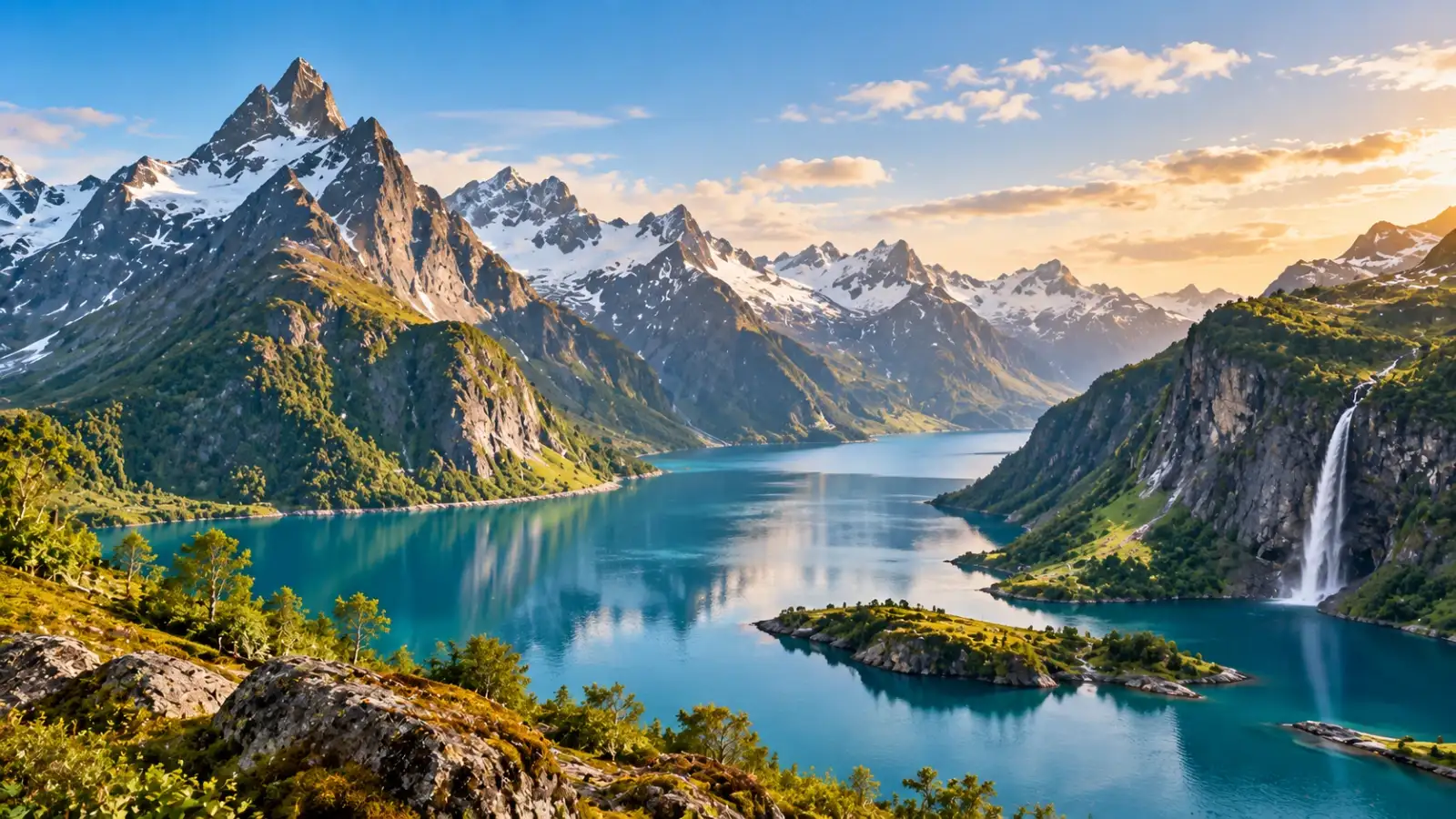
Visitors can explore the black sand beaches around Vík, the powerful waterfalls of the south coast and the glacial landscapes of Vatnajökull National Park. In some areas, steaming geothermal fields sit close to icy terrain, creating striking contrasts.
The country's scenery changes considerably with the seasons. Summer brings long daylight hours, while winter offers opportunities to see the northern lights when conditions are suitable.
Fiordland National Park features steep-sided valleys, waterfalls and waterways carved by glaciers. Further north, the North Island has geothermal areas around Rotorua and volcanic scenery in Tongariro National Park.
This combination of geological features makes New Zealand especially distinctive, with relatively short journeys offering access to very different natural environments.
The country also features rocky mountains, gravel plains and the Skeleton Coast, where fog, shifting sands and the Atlantic Ocean meet. Adapted wildlife, including oryx and desert-adapted elephants in certain regions, survives in challenging conditions.
Namibia's open spaces and limited vegetation make its geological forms particularly visible, offering a different experience from countries dominated by forests or mountains.
Far to the south, Patagonia features glaciers, turquoise lakes, jagged mountains and windswept plains. Torres del Paine National Park is particularly known for its dramatic granite peaks and changing weather.
The country's unusual length means that its northern desert environments contrast sharply with the cool, glaciated scenery of the far south.
Zhangye National Geopark in Gansu is known for colourful rock formations created through geological processes over millions of years. The sandstone layers display contrasting shades that become especially visible under changing sunlight.
China's varied terrain illustrates how differences in rock type, erosion and climate can produce landscapes with very different appearances.
Tsingy de Bemaraha National Park contains sharp limestone pinnacles created by erosion. Walking through designated areas reveals an intricate landscape of stone towers, narrow passages and elevated viewpoints.
The island is also famous for its biodiversity, including many species found nowhere else in the wild. Its natural scenery and wildlife are closely connected, making habitat protection particularly important.
Banff and Jasper national parks offer mountain scenery, alpine meadows and extensive hiking routes. Along the Atlantic and Pacific coasts, rugged shorelines and marine ecosystems create a different natural character.
Canada's landscapes change considerably between regions, reflecting differences in latitude, elevation and climate.
Mount Bromo in Java is famous for its volcanic landscape and surrounding sea of sand. On other islands, visitors can find dense rainforests, dramatic coastlines and coral-rich marine environments.
The country's position within the Pacific Ring of Fire contributes to its many volcanoes. This geological activity has also created fertile soils that support agriculture in several regions.
The Karoo presents a drier environment with open plains and rocky hills. In contrast, parts of the eastern coast support greener vegetation and subtropical conditions.
The country's different habitats support a wide range of wildlife and plant species, making conservation areas important for both biodiversity and nature-based tourism.
The western coast features narrow waterways surrounded by towering cliffs, while northern Norway extends into Arctic landscapes with rocky islands and broad mountain plateaus. In winter, the northern lights may be visible under favourable conditions.
Seasonal changes also shape the scenery, from long summer days to snow-covered winter landscapes.
Countries with distinctive natural landscapes demonstrate the many ways geology, climate and time shape the planet. Iceland's glaciers and volcanoes, Namibia's enormous dunes, Madagascar's limestone formations and Norway's fjords each reveal a different side of Earth's natural history. These environments are more than scenic attractions; they support wildlife, influence local livelihoods and hold ecological value. Travelling responsibly, following conservation guidelines and respecting protected areas can help preserve these remarkable landscapes for future generations.
1. Iceland: Volcanoes, Glaciers and Black Sand Beaches
Iceland combines volcanic terrain, glaciers, waterfalls, lava fields and geothermal activity within a relatively compact area. Its location along the Mid-Atlantic Ridge contributes to ongoing volcanic and geological activity.Visitors can explore the black sand beaches around Vík, the powerful waterfalls of the south coast and the glacial landscapes of Vatnajökull National Park. In some areas, steaming geothermal fields sit close to icy terrain, creating striking contrasts.
The country's scenery changes considerably with the seasons. Summer brings long daylight hours, while winter offers opportunities to see the northern lights when conditions are suitable.
2. New Zealand: Fiords, Alpine Peaks and Green Valleys
New Zealand's landscapes include dramatic mountain ranges, deep fiords, volcanic plateaus, rolling farmland and rugged coastlines. The Southern Alps dominate much of the South Island, with Aoraki/Mount Cook standing as the country's highest mountain.Fiordland National Park features steep-sided valleys, waterfalls and waterways carved by glaciers. Further north, the North Island has geothermal areas around Rotorua and volcanic scenery in Tongariro National Park.
This combination of geological features makes New Zealand especially distinctive, with relatively short journeys offering access to very different natural environments.
3. Namibia: Towering Dunes and Ancient Desert Terrain
Namibia is known for the vast dunes of the Namib Desert, one of the world's oldest desert regions. Near Sossusvlei, enormous orange-red dunes rise above pale clay pans, creating a striking landscape shaped by wind and time.The country also features rocky mountains, gravel plains and the Skeleton Coast, where fog, shifting sands and the Atlantic Ocean meet. Adapted wildlife, including oryx and desert-adapted elephants in certain regions, survives in challenging conditions.
Namibia's open spaces and limited vegetation make its geological forms particularly visible, offering a different experience from countries dominated by forests or mountains.
4. Chile: The Atacama Desert and Patagonian Wilderness
Chile stretches along much of South America's western edge, giving it an extraordinary range of landscapes. In the north, the Atacama Desert contains salt flats, dry valleys, high-altitude lagoons and some of the clearest skies in the world.Far to the south, Patagonia features glaciers, turquoise lakes, jagged mountains and windswept plains. Torres del Paine National Park is particularly known for its dramatic granite peaks and changing weather.
The country's unusual length means that its northern desert environments contrast sharply with the cool, glaciated scenery of the far south.
5. China: Karst Mountains and Colourful Rock Formations
China contains a vast variety of natural environments, including high plateaus, deserts, forests, wetlands and mountain ranges. Some of its most distinctive scenery appears in the karst landscapes of Guangxi, where limestone peaks rise above rivers and agricultural plains.Zhangye National Geopark in Gansu is known for colourful rock formations created through geological processes over millions of years. The sandstone layers display contrasting shades that become especially visible under changing sunlight.
China's varied terrain illustrates how differences in rock type, erosion and climate can produce landscapes with very different appearances.
6. Madagascar: Unique Forests and Unusual Rock Formations
Madagascar, an island country off Africa's southeastern coast, has distinctive ecosystems shaped by long geographical isolation. Its landscapes include dry forests, tropical rainforests, baobab-lined avenues and unusual limestone formations.Tsingy de Bemaraha National Park contains sharp limestone pinnacles created by erosion. Walking through designated areas reveals an intricate landscape of stone towers, narrow passages and elevated viewpoints.
The island is also famous for its biodiversity, including many species found nowhere else in the wild. Its natural scenery and wildlife are closely connected, making habitat protection particularly important.
7. Canada: Glacial Lakes, Forests and Rocky Mountains
Canada's enormous land area encompasses Arctic tundra, dense boreal forests, coastal rainforests, prairies and mountain ranges. In the Canadian Rockies, glaciers have shaped deep valleys and lakes that appear blue or turquoise because of fine rock particles suspended in the water.Banff and Jasper national parks offer mountain scenery, alpine meadows and extensive hiking routes. Along the Atlantic and Pacific coasts, rugged shorelines and marine ecosystems create a different natural character.
Canada's landscapes change considerably between regions, reflecting differences in latitude, elevation and climate.
8. Indonesia: Volcanoes, Tropical Islands and Coral Reefs
Indonesia consists of thousands of islands situated within a highly active geological region. Volcanoes, tropical forests, coral reefs and fertile volcanic plains are among its defining natural features.Mount Bromo in Java is famous for its volcanic landscape and surrounding sea of sand. On other islands, visitors can find dense rainforests, dramatic coastlines and coral-rich marine environments.
The country's position within the Pacific Ring of Fire contributes to its many volcanoes. This geological activity has also created fertile soils that support agriculture in several regions.
9. South Africa: Mountains, Savannas and Rugged Coastlines
South Africa offers a varied mix of grasslands, semi-arid regions, mountain ranges, wetlands and coastal landscapes. The Drakensberg Mountains feature steep cliffs and high peaks, while the Cape region combines rugged shorelines with distinctive plant communities.The Karoo presents a drier environment with open plains and rocky hills. In contrast, parts of the eastern coast support greener vegetation and subtropical conditions.
The country's different habitats support a wide range of wildlife and plant species, making conservation areas important for both biodiversity and nature-based tourism.
10. Norway: Deep Fjords and Arctic Landscapes
Norway is known for its dramatic fjords, steep mountains, waterfalls and rugged northern coastline. Many fjords were carved by glaciers, which created deep valleys that later filled with seawater.The western coast features narrow waterways surrounded by towering cliffs, while northern Norway extends into Arctic landscapes with rocky islands and broad mountain plateaus. In winter, the northern lights may be visible under favourable conditions.
Seasonal changes also shape the scenery, from long summer days to snow-covered winter landscapes.
Countries with distinctive natural landscapes demonstrate the many ways geology, climate and time shape the planet. Iceland's glaciers and volcanoes, Namibia's enormous dunes, Madagascar's limestone formations and Norway's fjords each reveal a different side of Earth's natural history. These environments are more than scenic attractions; they support wildlife, influence local livelihoods and hold ecological value. Travelling responsibly, following conservation guidelines and respecting protected areas can help preserve these remarkable landscapes for future generations.
Next Story