
Crash Diets Exposed: Why Sustainable Weight Loss Is the Real Deal!

When it comes to shedding extra kilos, crash diets might seem like the fastest route—but are they truly effective? While the promises of quick results sound tempting, the truth is more complicated. Let's dive into why crash diets aren't the long-term solution and why sustainable weight loss is the real winner.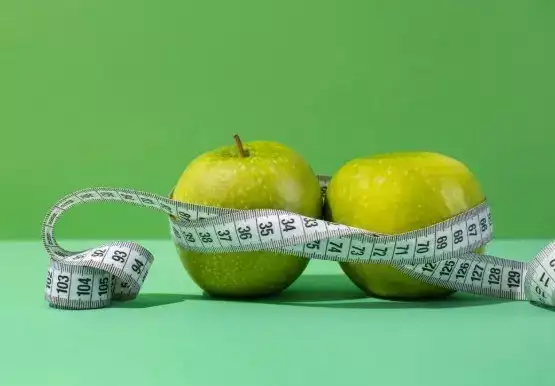
2. The Quick Fix Trap
Sure, the scale might drop fast—but it’s short-lived. Crash diets confuse the body, forcing it into "survival mode." Your metabolism slows down, and once you return to normal eating, the weight creeps back—sometimes more than before.
1. Crash Diets: What Are They?
Crash diets are extreme eating plans that drastically cut calories, often eliminating entire food groups. The goal? Rapid weight loss . While you might drop a few pounds quickly, this usually comes from water weight and muscle loss—not fat.2. The Quick Fix Trap
Sure, the scale might drop fast—but it’s short-lived. Crash diets confuse the body, forcing it into "survival mode." Your metabolism slows down, and once you return to normal eating, the weight creeps back—sometimes more than before.3. Nutritional Deficiencies
Most crash diets lack essential nutrients. Cutting out proteins, healthy fats, or carbohydrates can lead to fatigue, weakened immunity, and even hair loss. The body needs balanced nutrition to function well—even while losing weight.4. Mental Toll of Crash Dieting
Crash diets can lead to mood swings, anxiety, and an unhealthy relationship with food. The constant restriction and guilt can create a toxic cycle of bingeing and starving—far from the healthy mindset weight loss requires.You may also like
- How the Malabar Pit Viper Uses Infrared Sensing to Hunt in Total Darkness in the Ghats
- The King Cobra Builds a Nest and Guards Her Eggs, No Other Snake on Earth Does This
- India's Common Krait Bites at Night and Its Venom Is So Painless Victims Sleep Through the Snakebite
- 5 Ways to Say No to Your Boss Without Refusing Anything Outright at the Workplace
- How to Write a Professional Work Email That Gets a Reply the Same Day, Not Next Week
5. Sustainable Weight Loss: The Smarter Choice
Unlike crash diets, sustainable weight loss focuses on gradual progress. This includes balanced eating, regular exercise, and healthy habits. The result? Fat loss, muscle gain, better energy levels, and lasting results.6. Habits Over Hustle
Small changes—like swapping soda for water, or adding 30 minutes of walking daily—build a foundation. Over time, these changes become habits. Sustainable approaches work with your body, not against it.7. The Role of Real Food
Whole foods—like fruits, vegetables, lean proteins, and grains—nourish your body and keep you satisfied. Unlike crash diets that rely on meal replacements or juices, real food fuels long-term health and satiety.8. Importance of Metabolism
Crash diets slow metabolism. In contrast, sustainable plans help preserve and even boost metabolism through regular meals, strength training, and sufficient protein intake—helping you burn more calories, even at rest.9. Mindful Eating Matters
Tuning in to hunger and fullness cues, eating slowly, and savoring your meals helps you enjoy food without overeating. Sustainable weight loss encourages mindful eating, which prevents emotional or binge eating.10. Health First, Weight Follows
Real weight loss is not about starving—it's about nourishing. It's not about shrinking your body overnight, but about strengthening it for life. Choose a path that values your health, mindset, and joy. Because when it comes to lasting results, slow and steady doesn’t just win—it transforms.





Loving Newspoint? Download the app now
