
How to Make Creamy Pasta Without Using Cream or Processed Cheese

Creamy pasta is a popular comfort food, but you do not always need fresh cream or processed cheese to achieve a rich, smooth texture. With a few everyday ingredients, you can prepare a delicious vegetarian pasta dish at home that feels creamy without relying on a heavy dairy-based sauce.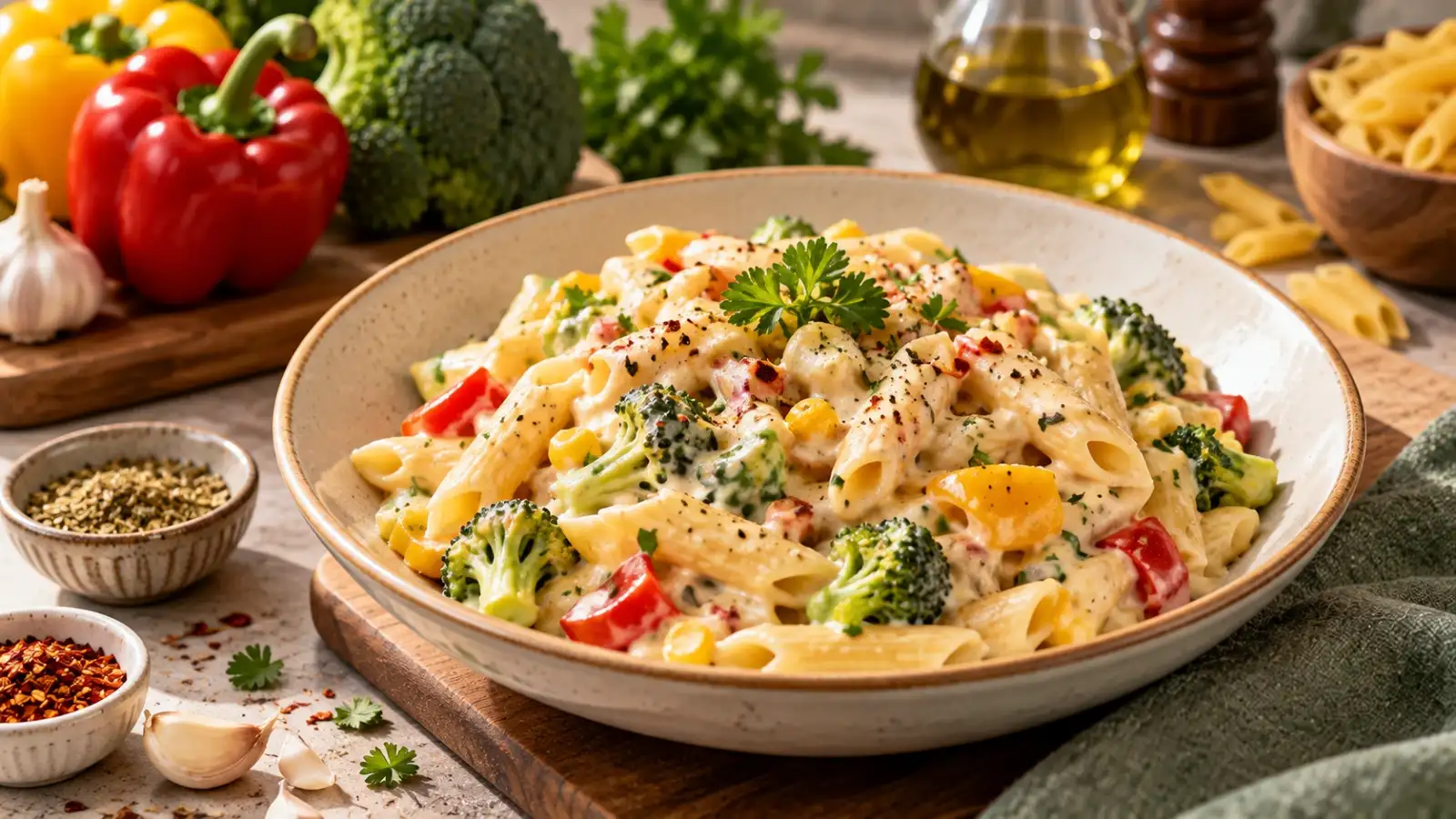
The secret lies in using naturally thick ingredients, cooking vegetables until soft and saving some of the water used to boil the pasta. The starch released into this water helps the sauce cling to the pasta, creating a smooth consistency. Blended cauliflower, milk, garlic and a little olive oil can add further richness without making the dish complicated.
This easy creamy vegetable pasta recipe uses simple ingredients, including vegetables commonly available in Indian kitchens. It is suitable for lunch, dinner or a quick weekend meal.
Before draining, reserve around one cup of the cooking water. This step is important because the starchy water helps create a smooth sauce that coats the pasta instead of collecting at the bottom of the bowl.
Drain the pasta without rinsing it. Rinsing removes some of the surface starch that helps the sauce cling to the pasta. Set it aside while you prepare the vegetable sauce.
Transfer the cooked cauliflower to a blender. Add the milk, a small pinch of salt and a little cooking water. Blend until the mixture becomes smooth and creamy, adding more liquid gradually if necessary.
Cauliflower provides body to the sauce without requiring cream or processed cheese. Its mild flavour works well with garlic, herbs and black pepper, allowing the other ingredients to stand out.
For the smoothest result, blend the cauliflower thoroughly and avoid adding too much liquid at once. The sauce should be thick enough to coat a spoon but loose enough to mix easily with the pasta.
Add the chopped capsicum and sweet corn or green peas. Cook for another three to five minutes until the vegetables become tender but retain some texture.
Season with black pepper, oregano, chilli flakes and salt. You can also add a small pinch of paprika for extra colour or a little grated nutmeg for a subtle flavour.
Cooking the vegetables before adding the sauce helps develop their flavour. Keep the heat moderate so that the garlic remains fragrant rather than bitter.
Add the cooked pasta and toss until every piece is coated. Pour in a little reserved pasta water and continue stirring. Add more water gradually until the sauce reaches your preferred consistency.
The starch in the pasta water helps bind the liquid and oil into a more cohesive sauce. Keep the pasta moving in the pan rather than leaving it to sit, as this helps distribute the sauce evenly.
Avoid boiling the sauce vigorously after adding the milk. Gentle heating helps maintain a smooth texture. If the sauce becomes too thick, add another splash of pasta water. If it appears too thin, let it simmer gently for another minute or two while stirring.
Garnish with freshly chopped parsley or coriander. You can add sautéed mushrooms, broccoli, spinach or roasted vegetables if you want a more substantial meal. A little lemon zest can also brighten the flavour.
Serve the pasta immediately while the sauce is warm and silky. As it cools, the starch will continue to thicken the sauce, so add a small splash of warm water or milk if you need to loosen it before serving.
Do not discard all the pasta water. Reserve it before draining, as it is one of the simplest ways to help a sauce become glossy and cling to the pasta.
Use vegetables that complement the sauce rather than adding too many ingredients at once. Mushrooms, peas, capsicum, spinach and broccoli are useful choices. Cook watery vegetables properly before combining them with the sauce so that they do not make it unexpectedly thin.
Finally, avoid relying on excessive oil or flour to thicken the mixture. A balanced combination of blended vegetables, milk and starchy pasta water can create a satisfying texture without needing a traditional cream sauce or processed cheese.
For a spicy Indian-style version, add a small amount of chilli powder, paprika and mixed herbs. You can also include sautéed paneer cubes for extra substance, provided you are happy to use fresh dairy products.
For a vegan version, blend the cauliflower with unsweetened soy milk or vegetable cooking water instead of dairy milk. Use olive oil and check that the pasta contains no egg if you want the entire dish to be vegan.
For a roasted vegetable version, blend roasted cauliflower with a little garlic and cooking water. Roasting gives the vegetables a deeper flavour and can make the sauce taste richer without adding cream.
Overcooking the pasta can make the finished dish soft and heavy. Cook it until just tender, then finish it in the sauce for a short time.
Burning the garlic can introduce bitterness, so cook it briefly over moderate heat. Similarly, avoid overheating the milk-based sauce, as vigorous boiling may affect its texture.
Another common mistake is expecting the sauce to taste exactly like a cream-based or cheese-based recipe. This version has its own mild vegetable flavour, which can be adjusted with garlic, herbs, pepper and other seasonings.
Making creamy pasta without cream or processed cheese is straightforward when you use ingredients that naturally create a smooth texture. In this recipe, blended cauliflower provides the body, milk adds richness and reserved pasta water helps the sauce coat every piece evenly.
The method is flexible enough for different pasta shapes and vegetables, making it useful for everyday cooking. Once you understand how to balance the sauce with pasta water, you can create several variations using simple ingredients already available in your kitchen.
The secret lies in using naturally thick ingredients, cooking vegetables until soft and saving some of the water used to boil the pasta. The starch released into this water helps the sauce cling to the pasta, creating a smooth consistency. Blended cauliflower, milk, garlic and a little olive oil can add further richness without making the dish complicated.
This easy creamy vegetable pasta recipe uses simple ingredients, including vegetables commonly available in Indian kitchens. It is suitable for lunch, dinner or a quick weekend meal.
Ingredients Required for Creamy Vegetable Pasta
This recipe serves two people and takes approximately 30 minutes to prepare and cook.- 200 g pasta, such as penne, fusilli or macaroni
- 1 cup cauliflower florets
- 1 small onion, finely chopped
- 4 garlic cloves, finely chopped
- 1 small capsicum, chopped
- ½ cup sweet corn or green peas
- ½ cup milk
- 1 to 2 tablespoons olive oil or regular cooking oil
- ½ teaspoon black pepper powder
- ½ teaspoon dried oregano
- ½ teaspoon chilli flakes, optional
- Salt to taste
- ½ to 1 cup reserved pasta water
- Fresh parsley or coriander for garnish
Step 1. Cook the Pasta Properly
Bring a large pot of water to the boil and add salt. Add the pasta and cook according to the instructions on the packet until it is just tender but still holds its shape.Before draining, reserve around one cup of the cooking water. This step is important because the starchy water helps create a smooth sauce that coats the pasta instead of collecting at the bottom of the bowl.
Drain the pasta without rinsing it. Rinsing removes some of the surface starch that helps the sauce cling to the pasta. Set it aside while you prepare the vegetable sauce.
Step 2. Prepare the Cauliflower Sauce
Wash the cauliflower florets and steam or boil them until they are completely soft. This usually takes around 8 to 12 minutes, depending on their size.Transfer the cooked cauliflower to a blender. Add the milk, a small pinch of salt and a little cooking water. Blend until the mixture becomes smooth and creamy, adding more liquid gradually if necessary.
Cauliflower provides body to the sauce without requiring cream or processed cheese. Its mild flavour works well with garlic, herbs and black pepper, allowing the other ingredients to stand out.
For the smoothest result, blend the cauliflower thoroughly and avoid adding too much liquid at once. The sauce should be thick enough to coat a spoon but loose enough to mix easily with the pasta.
Step 3. Cook the Garlic and Vegetables
Heat the oil in a wide pan over medium heat. Add the chopped onion and cook for a few minutes until it softens. Add the garlic and stir for around 30 seconds to one minute, taking care not to burn it.Add the chopped capsicum and sweet corn or green peas. Cook for another three to five minutes until the vegetables become tender but retain some texture.
Season with black pepper, oregano, chilli flakes and salt. You can also add a small pinch of paprika for extra colour or a little grated nutmeg for a subtle flavour.
Cooking the vegetables before adding the sauce helps develop their flavour. Keep the heat moderate so that the garlic remains fragrant rather than bitter.
Step 4. Combine the Sauce and Pasta
Pour the blended cauliflower mixture into the pan with the vegetables. Stir gently and allow it to warm for two to three minutes over low heat.Add the cooked pasta and toss until every piece is coated. Pour in a little reserved pasta water and continue stirring. Add more water gradually until the sauce reaches your preferred consistency.
The starch in the pasta water helps bind the liquid and oil into a more cohesive sauce. Keep the pasta moving in the pan rather than leaving it to sit, as this helps distribute the sauce evenly.
Avoid boiling the sauce vigorously after adding the milk. Gentle heating helps maintain a smooth texture. If the sauce becomes too thick, add another splash of pasta water. If it appears too thin, let it simmer gently for another minute or two while stirring.
Step 5. Finish and Serve
Once the sauce coats the pasta evenly, turn off the heat. Taste and adjust the salt, pepper and herbs if required.Garnish with freshly chopped parsley or coriander. You can add sautéed mushrooms, broccoli, spinach or roasted vegetables if you want a more substantial meal. A little lemon zest can also brighten the flavour.
Serve the pasta immediately while the sauce is warm and silky. As it cools, the starch will continue to thicken the sauce, so add a small splash of warm water or milk if you need to loosen it before serving.
Tips for Making Pasta Creamy Without Cream
The most important tip is to blend the cooked cauliflower until completely smooth. Small lumps can affect the texture, so give it enough time in the blender and add liquid gradually.Do not discard all the pasta water. Reserve it before draining, as it is one of the simplest ways to help a sauce become glossy and cling to the pasta.
Use vegetables that complement the sauce rather than adding too many ingredients at once. Mushrooms, peas, capsicum, spinach and broccoli are useful choices. Cook watery vegetables properly before combining them with the sauce so that they do not make it unexpectedly thin.
Finally, avoid relying on excessive oil or flour to thicken the mixture. A balanced combination of blended vegetables, milk and starchy pasta water can create a satisfying texture without needing a traditional cream sauce or processed cheese.
Variations You Can Try at Home
For mushroom pasta, sauté sliced mushrooms with garlic and onion before adding the cauliflower sauce. The mushrooms contribute a deeper savoury flavour and pair particularly well with black pepper.For a spicy Indian-style version, add a small amount of chilli powder, paprika and mixed herbs. You can also include sautéed paneer cubes for extra substance, provided you are happy to use fresh dairy products.
For a vegan version, blend the cauliflower with unsweetened soy milk or vegetable cooking water instead of dairy milk. Use olive oil and check that the pasta contains no egg if you want the entire dish to be vegan.
For a roasted vegetable version, blend roasted cauliflower with a little garlic and cooking water. Roasting gives the vegetables a deeper flavour and can make the sauce taste richer without adding cream.
Common Mistakes to Avoid
Adding all the pasta water at once can leave the sauce too thin. Start with a small amount and increase it only when needed. Remember that the sauce will thicken slightly as it cools.Overcooking the pasta can make the finished dish soft and heavy. Cook it until just tender, then finish it in the sauce for a short time.
Burning the garlic can introduce bitterness, so cook it briefly over moderate heat. Similarly, avoid overheating the milk-based sauce, as vigorous boiling may affect its texture.
Another common mistake is expecting the sauce to taste exactly like a cream-based or cheese-based recipe. This version has its own mild vegetable flavour, which can be adjusted with garlic, herbs, pepper and other seasonings.
Making creamy pasta without cream or processed cheese is straightforward when you use ingredients that naturally create a smooth texture. In this recipe, blended cauliflower provides the body, milk adds richness and reserved pasta water helps the sauce coat every piece evenly.
The method is flexible enough for different pasta shapes and vegetables, making it useful for everyday cooking. Once you understand how to balance the sauce with pasta water, you can create several variations using simple ingredients already available in your kitchen.
Next Story