
How to Make Creamy Restaurant-Style Dal Using Simple Cooking Techniques

A bowl of creamy dal served with hot jeera rice, roti or naan is one of the simplest pleasures of Indian cooking. Yet, homemade dal sometimes turns out watery, bland or lacking the rich texture found in restaurants. The difference is not always about using expensive ingredients or adding large amounts of butter and cream. A few basic cooking techniques can make an ordinary pot of lentils considerably more flavourful.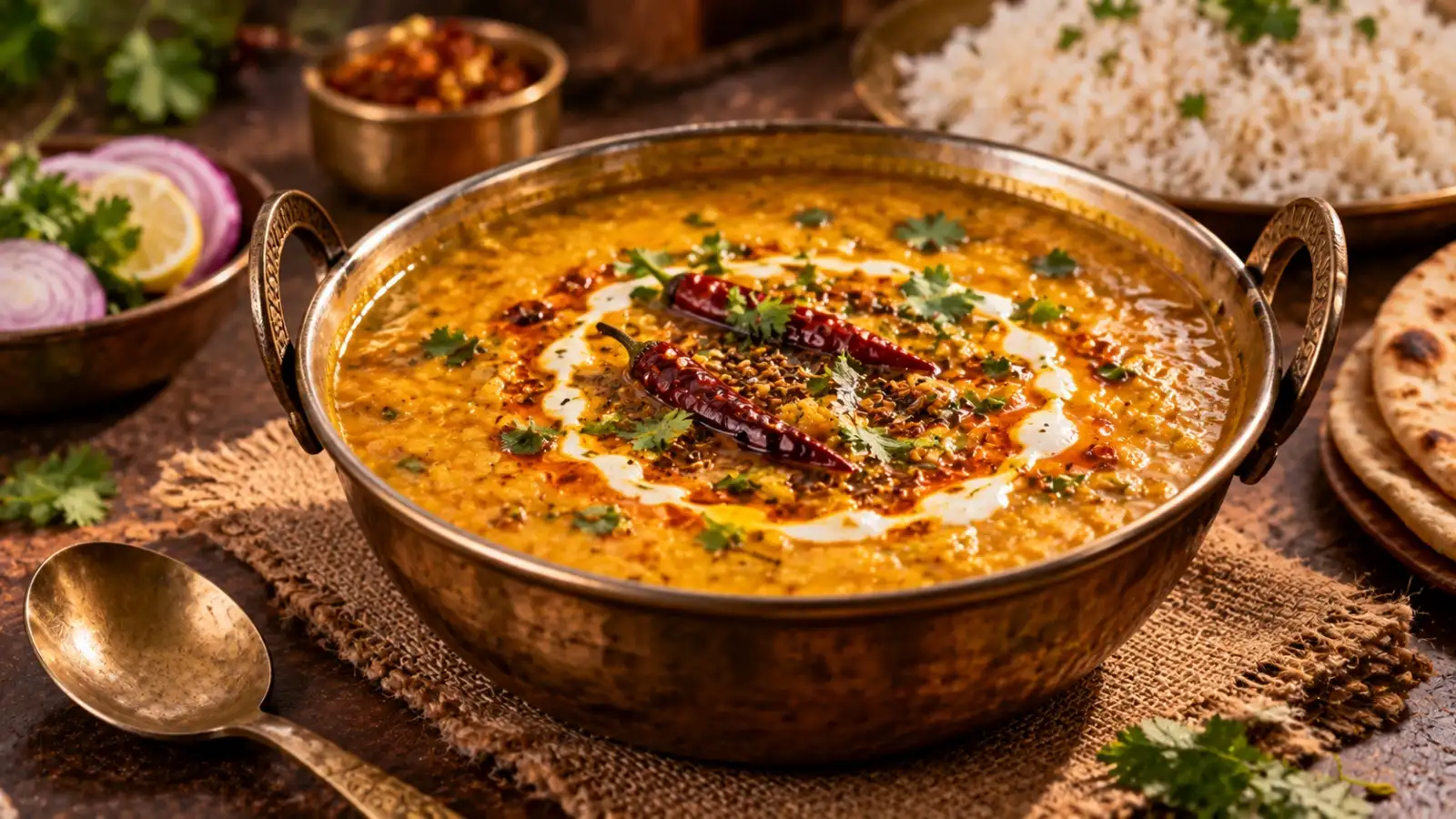
The secret lies in cooking the lentils until they are completely soft, preparing a well-cooked onion and tomato base, balancing the spices and allowing everything to simmer together. A final tempering of hot ghee or oil with cumin, garlic and chillies adds aroma and depth. With everyday kitchen ingredients and a little attention to timing, you can prepare creamy, restaurant-style dal at home without complicated equipment.
Transfer the washed dal to a pressure cooker with water and turmeric. Cook until the lentils are very soft and begin to break apart easily. Cooking time varies depending on the age of the lentils, the appliance and whether you soaked them beforehand, so check that they are fully cooked rather than relying only on a fixed number of whistles.
Once the pressure has released safely, mash the dal with the back of a spoon or whisk it gently. This breaks down some of the lentils and releases their natural starch, helping the mixture become thicker and smoother. If it looks too thick, add a little hot water until it reaches a consistency that can be poured easily.
Cook the onion over medium heat until it becomes soft and lightly golden. Avoid rushing this step, because undercooked onion can leave the masala with a raw, sharp taste. Add the ginger-garlic paste and green chilli, then sauté for another minute or two until the strong raw aroma reduces.
Add the tomatoes, coriander powder and Kashmiri chilli powder. Cook until the tomatoes soften and the mixture thickens into a cohesive masala. Stir regularly to prevent sticking, lowering the heat if necessary. The aim is to cook out the raw tomato flavour before adding the lentils.
Let the dal simmer on low heat for around 10 to 15 minutes, stirring occasionally. If it begins sticking to the bottom of the pan, reduce the heat and add a small amount of hot water. Avoid adding too much water at once, as it can make the dal thin and dilute its flavour.
For a thicker texture, mash a few more spoonfuls of lentils against the side of the pan. This simple technique often works better than adding flour or other thickeners. The dal should coat a spoon lightly while remaining smooth enough to serve with rice or bread.
Switch off the heat before adding a small pinch of chilli powder, if desired. Spices can burn quickly in very hot fat, which may leave the dal bitter. Pour the tempering over the simmered dal and stir gently, reserving a little for the top if you want a more traditional presentation.
This technique is especially useful when the dal tastes good but lacks the aroma associated with restaurant dishes. Adding the tadka towards the end preserves its fragrance better than cooking every spice for a long time in the main pot.
Crush kasuri methi, or dried fenugreek leaves, between your palms and add a small amount towards the end of cooking. Its distinctive aroma can give the dal a familiar North Indian restaurant-style flavour. Add garam masala sparingly, as too much can overpower the taste of the lentils.
If you prefer a lighter version, skip the cream and rely on the mashed lentils, slow simmering and final tadka. Ghee can be replaced with oil, although the flavour will differ slightly. These adjustments allow you to control the richness without losing the dish's essential character.
Another problem is using too much water at the beginning and then trying to thicken the dal in a hurry. Start with a sensible amount, check the texture after cooking and add hot water gradually. Simmering the dal for a little longer, while stirring regularly, allows it to develop a more cohesive consistency.
Finally, avoid adding all the spices at once without tasting the dish as it cooks. Salt, chilli and garam masala should be adjusted towards the end, when the lentils and masala have combined. A balanced dal should taste of the lentils first, with the spices providing warmth rather than overpowering them.
If you are serving guests, transfer the dal to a warmed bowl and finish it with chopped coriander and a small spoonful of the reserved tadka. Keep the garnish simple so that the lentils remain the focus of the dish.
Dal also thickens as it cools. When reheating leftovers, add a splash of water and warm the mixture gently, stirring until it returns to a smooth consistency. Refrigerate leftovers promptly in a covered container and reheat thoroughly before serving.
Once you understand how texture, seasoning and heat work together, the recipe becomes easy to adapt to your preferences. The result is a comforting vegetarian dish that works just as well for an everyday lunch as it does for a meal shared with family.
The secret lies in cooking the lentils until they are completely soft, preparing a well-cooked onion and tomato base, balancing the spices and allowing everything to simmer together. A final tempering of hot ghee or oil with cumin, garlic and chillies adds aroma and depth. With everyday kitchen ingredients and a little attention to timing, you can prepare creamy, restaurant-style dal at home without complicated equipment.
Ingredients You Will Need
This recipe uses toor dal, also known as arhar dal, which becomes soft and creamy when cooked properly. You can also combine it with a little masoor dal for a smoother texture.- 1 cup toor dal
- 3 cups water for pressure cooking, with extra hot water as needed
- 1 medium onion, finely chopped
- 2 medium tomatoes, finely chopped
- 1 tablespoon ginger-garlic paste
- 1 green chilli, finely chopped
- 1 teaspoon cumin seeds
- ½ teaspoon turmeric powder
- 1 teaspoon coriander powder
- ½ teaspoon Kashmiri chilli powder
- ½ teaspoon garam masala
- 1 pinch asafoetida (hing), optional
- 2 tablespoons ghee or butter
- 1 tablespoon cooking oil
- 1 teaspoon kasuri methi, optional
- Salt to taste
- Fresh coriander leaves for garnish
- 1 to 2 tablespoons fresh cream, optional
1. Cook the Lentils Until Completely Soft
The first step towards creamy dal is getting the texture of the lentils right. Rinse the toor dal thoroughly under running water until the water becomes relatively clear. Soaking it for 20 to 30 minutes can help it cook more evenly, although this is not essential when using a pressure cooker.Transfer the washed dal to a pressure cooker with water and turmeric. Cook until the lentils are very soft and begin to break apart easily. Cooking time varies depending on the age of the lentils, the appliance and whether you soaked them beforehand, so check that they are fully cooked rather than relying only on a fixed number of whistles.
Once the pressure has released safely, mash the dal with the back of a spoon or whisk it gently. This breaks down some of the lentils and releases their natural starch, helping the mixture become thicker and smoother. If it looks too thick, add a little hot water until it reaches a consistency that can be poured easily.
2. Build Flavour With a Properly Cooked Masala
A well-prepared onion and tomato base gives restaurant-style dal much of its flavour. Heat the oil and a little ghee in a heavy-bottomed pan. Add cumin seeds and let them sizzle briefly before adding the chopped onion.Cook the onion over medium heat until it becomes soft and lightly golden. Avoid rushing this step, because undercooked onion can leave the masala with a raw, sharp taste. Add the ginger-garlic paste and green chilli, then sauté for another minute or two until the strong raw aroma reduces.
Add the tomatoes, coriander powder and Kashmiri chilli powder. Cook until the tomatoes soften and the mixture thickens into a cohesive masala. Stir regularly to prevent sticking, lowering the heat if necessary. The aim is to cook out the raw tomato flavour before adding the lentils.
3. Combine the Dal and Let It Simmer
Add the cooked lentils to the prepared masala and stir until everything is evenly combined. Pour in a little hot water if necessary, then bring the mixture to a gentle simmer. This stage allows the flavours of the lentils, spices, onion and tomato to blend together.Let the dal simmer on low heat for around 10 to 15 minutes, stirring occasionally. If it begins sticking to the bottom of the pan, reduce the heat and add a small amount of hot water. Avoid adding too much water at once, as it can make the dal thin and dilute its flavour.
For a thicker texture, mash a few more spoonfuls of lentils against the side of the pan. This simple technique often works better than adding flour or other thickeners. The dal should coat a spoon lightly while remaining smooth enough to serve with rice or bread.
4. Prepare a Fragrant Final Tadka
A final tadka, or tempering, adds a fresh layer of flavour and aroma. Heat a small amount of ghee in a separate pan. Add cumin seeds and, if you like, a little finely chopped garlic and a dried red chilli. Allow the garlic to turn lightly golden, taking care not to burn it.Switch off the heat before adding a small pinch of chilli powder, if desired. Spices can burn quickly in very hot fat, which may leave the dal bitter. Pour the tempering over the simmered dal and stir gently, reserving a little for the top if you want a more traditional presentation.
This technique is especially useful when the dal tastes good but lacks the aroma associated with restaurant dishes. Adding the tadka towards the end preserves its fragrance better than cooking every spice for a long time in the main pot.
5. Use Butter, Cream and Kasuri Methi Carefully
Creamy dal does not have to be excessively rich. Much of its texture should come from properly cooked lentils rather than large amounts of dairy. If you want a richer finish, stir in one or two tablespoons of fresh cream or a small knob of butter once the dal has reached the desired consistency.Crush kasuri methi, or dried fenugreek leaves, between your palms and add a small amount towards the end of cooking. Its distinctive aroma can give the dal a familiar North Indian restaurant-style flavour. Add garam masala sparingly, as too much can overpower the taste of the lentils.
If you prefer a lighter version, skip the cream and rely on the mashed lentils, slow simmering and final tadka. Ghee can be replaced with oil, although the flavour will differ slightly. These adjustments allow you to control the richness without losing the dish's essential character.
6. Avoid These Common Mistakes
One common mistake is adding the masala before the lentils are fully cooked. Tomatoes and acidic ingredients can sometimes slow the softening of pulses, so cooking the dal separately until tender is a reliable approach.Another problem is using too much water at the beginning and then trying to thicken the dal in a hurry. Start with a sensible amount, check the texture after cooking and add hot water gradually. Simmering the dal for a little longer, while stirring regularly, allows it to develop a more cohesive consistency.
Finally, avoid adding all the spices at once without tasting the dish as it cooks. Salt, chilli and garam masala should be adjusted towards the end, when the lentils and masala have combined. A balanced dal should taste of the lentils first, with the spices providing warmth rather than overpowering them.
7. Serve the Dal for a Complete Meal
Creamy dal pairs well with steamed basmati rice, jeera rice, chapati, paratha or naan. For a simple vegetarian meal, serve it with a seasonal vegetable sabzi, sliced cucumber and onion, or a fresh salad. A little lemon juice on the side can provide a bright contrast to the rich texture.If you are serving guests, transfer the dal to a warmed bowl and finish it with chopped coriander and a small spoonful of the reserved tadka. Keep the garnish simple so that the lentils remain the focus of the dish.
Dal also thickens as it cools. When reheating leftovers, add a splash of water and warm the mixture gently, stirring until it returns to a smooth consistency. Refrigerate leftovers promptly in a covered container and reheat thoroughly before serving.
A Simple Technique Makes All the Difference
Creamy restaurant-style dal is achievable with ordinary ingredients and a few well-timed steps. Cook the lentils until soft, develop the onion and tomato masala patiently, simmer everything together and finish with a fragrant tadka. Cream and butter can add richness, but they are optional rather than essential.Once you understand how texture, seasoning and heat work together, the recipe becomes easy to adapt to your preferences. The result is a comforting vegetarian dish that works just as well for an everyday lunch as it does for a meal shared with family.
Next Story