
Cruise Ship Motion Explained: Why They Stay Calm In Waves

Sailing across open waters can be an intimidating experience for many, but aboard a cruise ship, the sensation of rolling with the waves is surprisingly minimal. This stability is not accidental, it’s the result of advanced naval engineering, careful design, and modern technology that prioritises passenger comfort.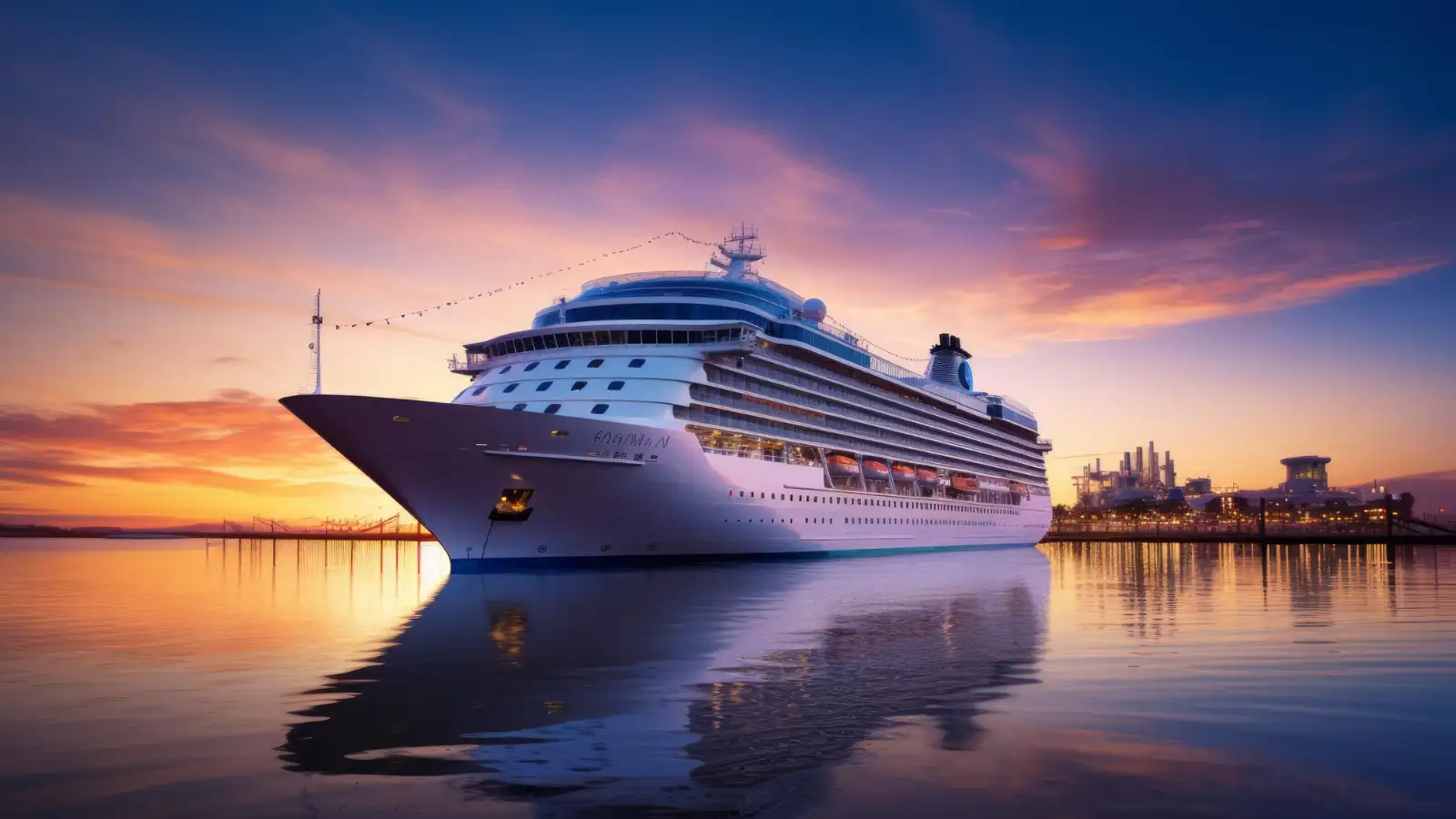
One of the key factors is the size and weight of cruise ships. Larger vessels have a higher mass and wider beam (the width of the ship), which increases stability. A bigger ship resists the lateral forces of waves, making it less prone to rocking compared to smaller boats. This is why you might barely notice the sea’s movement, even in moderately rough waters.
Another crucial element is the use of stabilisers. Modern cruise ships are equipped with underwater fins that extend from the hull. These fins actively adjust to counteract the ship’s motion, reducing side-to-side roll. Some stabilisers even have sensors that detect wave patterns and automatically make real-time adjustments, keeping the voyage smooth and comfortable.
Additionally, cruise ships are designed with a low centre of gravity, achieved by carefully distributing heavy machinery and fuel tanks below deck. This design lowers the likelihood of tipping or excessive rolling. The hull’s shape also plays a role; a longer, streamlined hull cuts through waves more efficiently, reducing the impact of swells on the passenger decks.
Read More: How To Explore Goa For Free: 7 Budget-Friendly Experiences
Ship designers also consider ballast systems, which involve tanks of water that can be shifted to balance the ship as needed. Combined with stabilisers and hull design, these systems ensure that passengers experience minimal motion even during less-than-ideal sea conditions.
Finally, the experience of the sea itself can differ depending on where you are on the ship. Passengers on lower decks near the centre feel less movement than those on upper decks or at the edges. Cruise lines often advise passengers prone to seasickness to choose cabins in the midship section for optimal stability.
In short, the reason cruise ships “float through” waves is a mix of physics, engineering, and technology. From stabilisers to hull design, every detail is calculated to make sea travel as smooth and enjoyable as possible. Thanks to these innovations, most passengers can enjoy ocean views, dining, and entertainment without ever feeling the full force of the rolling waves.
One of the key factors is the size and weight of cruise ships. Larger vessels have a higher mass and wider beam (the width of the ship), which increases stability. A bigger ship resists the lateral forces of waves, making it less prone to rocking compared to smaller boats. This is why you might barely notice the sea’s movement, even in moderately rough waters.
Another crucial element is the use of stabilisers. Modern cruise ships are equipped with underwater fins that extend from the hull. These fins actively adjust to counteract the ship’s motion, reducing side-to-side roll. Some stabilisers even have sensors that detect wave patterns and automatically make real-time adjustments, keeping the voyage smooth and comfortable.
You may also like
- Eid Gift Ideas Beyond Cash: Thoughtful Presents to Make Your Loved Ones Smile
- Essential Guide for a Memorable Vaishno Devi Pilgrimage During Navratri
- Watermelon seeds: Do you throw away the seeds? Watermelon seeds harbor tremendous health benefits...
- The Rise of Solo Travel: Embracing Independence and Self-Discovery
- Top Rafting Destinations in India for Adventure Seekers
Additionally, cruise ships are designed with a low centre of gravity, achieved by carefully distributing heavy machinery and fuel tanks below deck. This design lowers the likelihood of tipping or excessive rolling. The hull’s shape also plays a role; a longer, streamlined hull cuts through waves more efficiently, reducing the impact of swells on the passenger decks.
Read More: How To Explore Goa For Free: 7 Budget-Friendly Experiences
Ship designers also consider ballast systems, which involve tanks of water that can be shifted to balance the ship as needed. Combined with stabilisers and hull design, these systems ensure that passengers experience minimal motion even during less-than-ideal sea conditions.
Finally, the experience of the sea itself can differ depending on where you are on the ship. Passengers on lower decks near the centre feel less movement than those on upper decks or at the edges. Cruise lines often advise passengers prone to seasickness to choose cabins in the midship section for optimal stability.
In short, the reason cruise ships “float through” waves is a mix of physics, engineering, and technology. From stabilisers to hull design, every detail is calculated to make sea travel as smooth and enjoyable as possible. Thanks to these innovations, most passengers can enjoy ocean views, dining, and entertainment without ever feeling the full force of the rolling waves.






More from our partners


Loving Newspoint? Download the app now
