
Are You Eating Cucumber Wrong? The Common Mistake You Might Be Making

Cucumbers are often seen as one of the simplest additions to a healthy diet. Light, hydrating, and easy to include in meals, they are a staple in Indian households, especially during summer. But according to nutrition experts, the way many people consume cucumbers may be quietly reducing their benefits.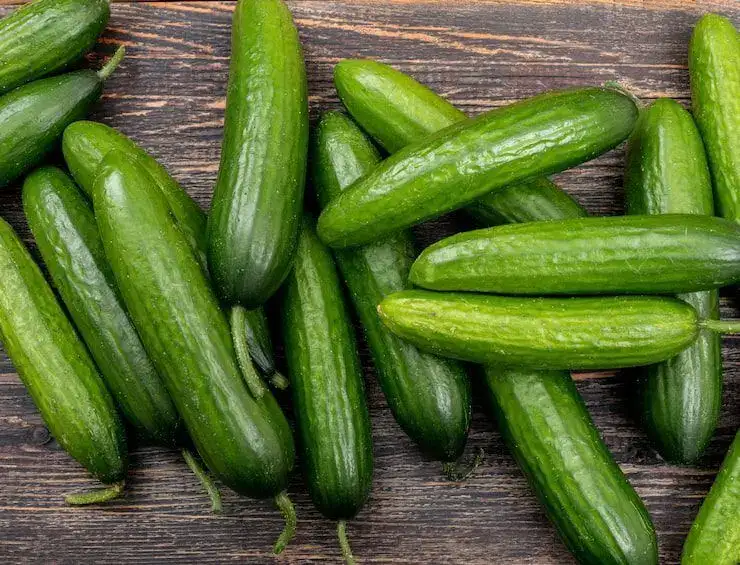
The most common mistake is peeling the skin.
For many, removing the peel feels like a natural step. It is often linked to concerns around taste, texture, or hygiene. However, this habit can strip away a significant portion of the vegetable’s nutritional value.
The skin of a cucumber is not just a protective layer. It contains a good amount of fibre, which plays a key role in digestion. Fibre helps regulate bowel movements, supports gut health, and contributes to a feeling of fullness. When the peel is removed, much of this benefit is lost.
Beyond fibre, the outer layer also contains antioxidants. These compounds help the body deal with oxidative stress, which is linked to ageing and various health issues. While cucumbers are not the most nutrient-dense vegetable, their skin contributes meaningfully to their overall value.
That said, the concern around pesticides is valid. This is one of the main reasons people choose to peel cucumbers. Experts suggest that instead of removing the skin entirely, it is better to wash the vegetable thoroughly. Using running water, and in some cases soaking it briefly, can help reduce surface residues.
Another aspect to consider is how cucumbers are consumed. They are often eaten raw in salads or as a side dish. This makes them an easy and refreshing option, but also means their nutritional impact depends heavily on preparation. Small choices, like keeping the peel, can make a noticeable difference over time.
There is also a cultural element at play. In many households, peeling vegetables is seen as a standard practice passed down over generations. It is rarely questioned. But as nutritional awareness grows, these habits are being re-evaluated.
Cucumbers are made up of over 90 percent water, which makes them excellent for hydration, especially in hot climates. They also contain small amounts of vitamins and minerals that support overall health. While they may not be a superfood, they contribute to a balanced diet when consumed correctly.
Taste preferences still matter. Some people find the peel slightly bitter or tough. In such cases, partially peeling or choosing fresher cucumbers with thinner skins can be a practical compromise. The goal is not to force a method, but to make informed choices.
In simple terms, the issue is not with cucumbers themselves, but with how they are prepared.
Peeling them may seem harmless, but it reduces some of the benefits they naturally offer.
As dietary habits continue to evolve, even small changes like this can improve how everyday foods contribute to health. Sometimes, eating better is not about adding something new, but about changing how you use what is already on your plate.
The most common mistake is peeling the skin.
For many, removing the peel feels like a natural step. It is often linked to concerns around taste, texture, or hygiene. However, this habit can strip away a significant portion of the vegetable’s nutritional value.
The skin of a cucumber is not just a protective layer. It contains a good amount of fibre, which plays a key role in digestion. Fibre helps regulate bowel movements, supports gut health, and contributes to a feeling of fullness. When the peel is removed, much of this benefit is lost.
Beyond fibre, the outer layer also contains antioxidants. These compounds help the body deal with oxidative stress, which is linked to ageing and various health issues. While cucumbers are not the most nutrient-dense vegetable, their skin contributes meaningfully to their overall value.
You may also like
- Pneumonia Symptoms: Can a person survive with just one lung? Learn how to save lives in severe pneumonia.
- 70-million-year-old Moroccan dinosaur fossil reveals an ancient link between continents
- What is the iPhone Health App? How Does It Take Care of Your Well-being? Find Out Here
- Major Crackdown! Thousands of WhatsApp Accounts Banned in India; Linked to Cambodia
- Effective Home Remedies for Dark Neck Skin
That said, the concern around pesticides is valid. This is one of the main reasons people choose to peel cucumbers. Experts suggest that instead of removing the skin entirely, it is better to wash the vegetable thoroughly. Using running water, and in some cases soaking it briefly, can help reduce surface residues.
Another aspect to consider is how cucumbers are consumed. They are often eaten raw in salads or as a side dish. This makes them an easy and refreshing option, but also means their nutritional impact depends heavily on preparation. Small choices, like keeping the peel, can make a noticeable difference over time.
There is also a cultural element at play. In many households, peeling vegetables is seen as a standard practice passed down over generations. It is rarely questioned. But as nutritional awareness grows, these habits are being re-evaluated.
Cucumbers are made up of over 90 percent water, which makes them excellent for hydration, especially in hot climates. They also contain small amounts of vitamins and minerals that support overall health. While they may not be a superfood, they contribute to a balanced diet when consumed correctly.
Taste preferences still matter. Some people find the peel slightly bitter or tough. In such cases, partially peeling or choosing fresher cucumbers with thinner skins can be a practical compromise. The goal is not to force a method, but to make informed choices.
In simple terms, the issue is not with cucumbers themselves, but with how they are prepared.
Peeling them may seem harmless, but it reduces some of the benefits they naturally offer.
As dietary habits continue to evolve, even small changes like this can improve how everyday foods contribute to health. Sometimes, eating better is not about adding something new, but about changing how you use what is already on your plate.






More from our partners


Loving Newspoint? Download the app now
