
The Cultural Significance of Hanging Torans at Indian Doorways

In many Indian homes, the entrance is more than just a way to enter or leave the house. It is often decorated with flowers, mango leaves, colourful fabrics and traditional torans, especially during festivals, weddings and religious ceremonies.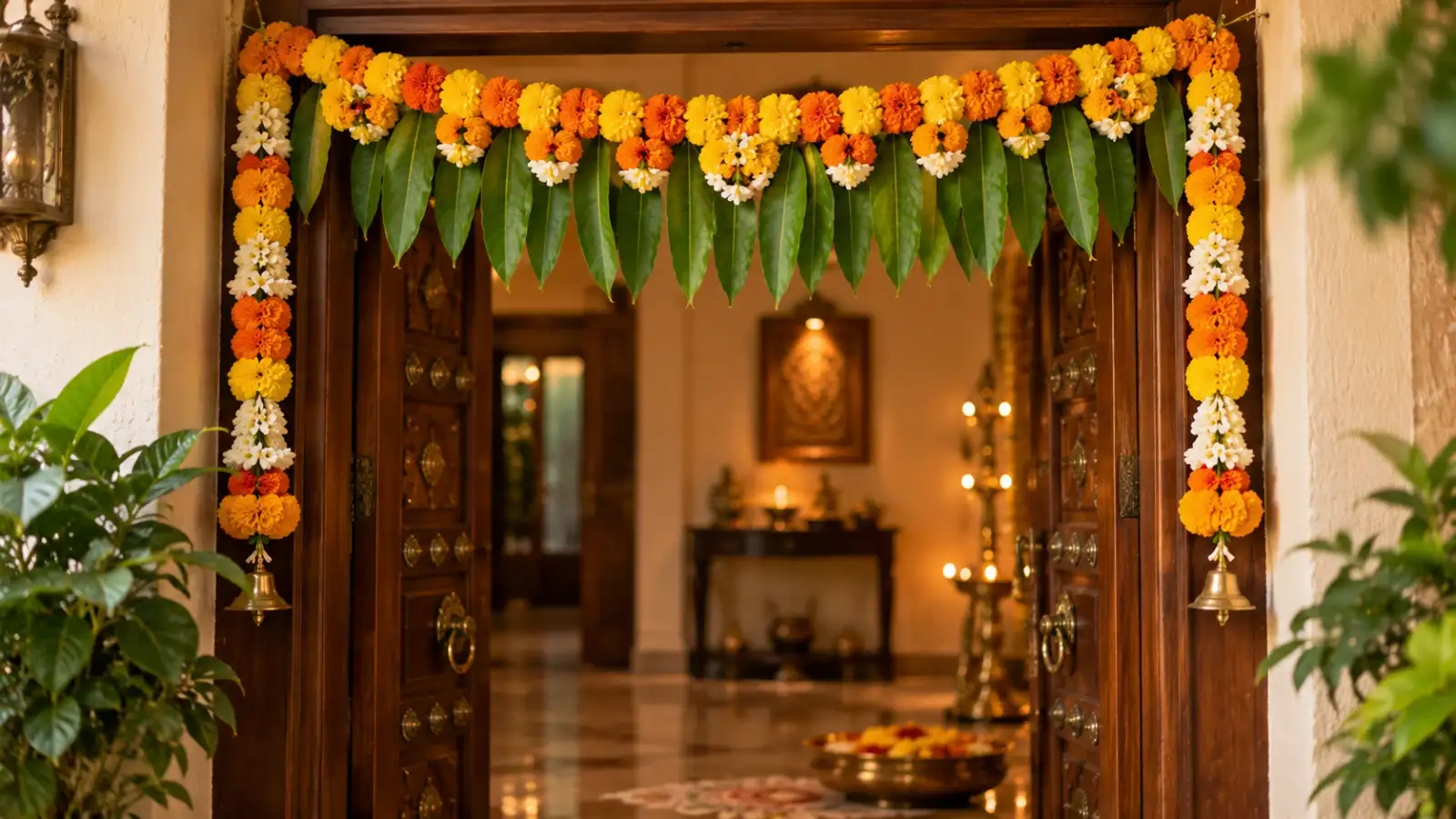
A toran is a decorative hanging placed above a doorway or across an entrance. It can be made from fresh leaves, flowers, beads, fabric, wood, mirrors or other materials. Although modern torans are available in countless designs, the tradition has deep cultural roots.
For generations, these decorations have represented hospitality, celebration and the desire to welcome positive energy into the home. Their meaning may vary across regions and communities, but torans continue to hold a special place in Indian household traditions.
Traditional torans were often made from natural materials that were easily available. Mango leaves, marigold flowers, neem leaves and other plants were used to decorate doorways during important occasions.
The entrance was given special attention because it marked the meeting point between the outside world and the household. Decorating it was a way of preparing the home for guests, celebrations and religious events.
Over time, the practice developed into a wide range of regional art forms, with each community adding its own colours, materials and patterns.
In several Indian traditions , mango leaves are associated with auspiciousness, prosperity and freshness. The mango tree is also culturally important in many parts of the country, which has helped strengthen the symbolic value of its leaves.
Fresh green leaves bring a natural appearance to the entrance and are often used during occasions such as Diwali, Ugadi, Gudi Padwa, housewarming ceremonies and weddings.
The exact meaning of mango leaves can differ according to local customs, but their presence is generally connected with celebration and well-being.
A toran can therefore be understood as a visual expression of hospitality. It adds colour to the entrance and makes an ordinary space feel more inviting.
During weddings and religious celebrations, torans are often used alongside rangoli, lamps and floral decorations. Together, these elements transform the entrance into a space that reflects the importance of the occasion.
Even when a toran is used purely for decoration, it often carries a sense of tradition and familiarity.
In some communities, natural leaves and flowers are considered appropriate for decorating entrances during religious occasions. The doorway may be cleaned and decorated before a festival as part of preparing the home for prayers and celebrations.
It is important to remember that the spiritual meaning of a toran is not identical across India. Different communities follow different customs, and some people may use torans mainly because of their beauty and cultural value.
In Maharashtra, torans made from mango leaves are often associated with festivals and auspicious occasions. In parts of South India, fresh leaves and flowers are also used to decorate entrances during celebrations such as Pongal, Ugadi and other regional festivals.
During weddings and housewarming ceremonies, torans may be designed with bright fabrics, flowers, beads or decorative motifs.
The materials may change, but the purpose remains similar. The entrance is transformed into a welcoming and celebratory space.
In Rajasthan and Gujarat, torans may feature bright colours, embroidered patterns and mirror decorations. In other regions, artisans create torans using bells, shells, fabric pieces or hand-painted designs.
Modern homes often use reusable torans made from cotton, felt, wood, metal or artificial flowers. These designs are easier to store and can be used for several years.
This variety shows how the tradition has adapted to changing lifestyles while retaining its connection with Indian culture.
Embroidered torans may include traditional motifs, while handcrafted wooden designs can reflect regional artistic styles. Beaded and mirror-work torans often bring together colour, texture and detailed craftsmanship.
Buying handmade torans can help support local craft communities and preserve traditional skills. It also allows households to bring regional art into their everyday surroundings.
In this way, a simple doorway decoration can become a small but meaningful part of India's wider craft heritage.
For many families, hanging a toran is also a way of maintaining a connection with childhood memories, family rituals and regional traditions. A familiar design may remind someone of festival mornings, wedding preparations or the entrance to their ancestral home.
Today, torans are used not only during religious occasions but also as everyday decorative pieces. Their continued popularity shows how traditional symbols can adapt to modern homes without losing their emotional value.
While the materials and designs may have changed, the basic purpose remains familiar. A decorated entrance makes a home feel prepared, welcoming and connected to the occasion being celebrated.
Whether made from fresh mango leaves, marigold flowers, embroidered fabric or recycled materials, a toran continues to add character to Indian homes. It is a small decoration, but its history and meaning make it much more than an ornamental piece
A toran is a decorative hanging placed above a doorway or across an entrance. It can be made from fresh leaves, flowers, beads, fabric, wood, mirrors or other materials. Although modern torans are available in countless designs, the tradition has deep cultural roots.
For generations, these decorations have represented hospitality, celebration and the desire to welcome positive energy into the home. Their meaning may vary across regions and communities, but torans continue to hold a special place in Indian household traditions.
1. What Is a Toran and Where Did the Tradition Begin?
The word toran is commonly used in India to describe a decorative entrance hanging. In different regions, similar decorations may have different names and styles.Traditional torans were often made from natural materials that were easily available. Mango leaves, marigold flowers, neem leaves and other plants were used to decorate doorways during important occasions.
The entrance was given special attention because it marked the meeting point between the outside world and the household. Decorating it was a way of preparing the home for guests, celebrations and religious events.
Over time, the practice developed into a wide range of regional art forms, with each community adding its own colours, materials and patterns.
2. Why Mango Leaves Are Used in Traditional Torans
One of the most recognisable forms of a traditional toran uses fresh mango leaves. These are often tied together with a string and hung above the main entrance during festivals and ceremonies.In several Indian traditions , mango leaves are associated with auspiciousness, prosperity and freshness. The mango tree is also culturally important in many parts of the country, which has helped strengthen the symbolic value of its leaves.
Fresh green leaves bring a natural appearance to the entrance and are often used during occasions such as Diwali, Ugadi, Gudi Padwa, housewarming ceremonies and weddings.
The exact meaning of mango leaves can differ according to local customs, but their presence is generally connected with celebration and well-being.
3. Torans and the Idea of Welcoming Guests
In Indian culture, welcoming guests is often considered an important expression of respect and warmth. A decorated doorway immediately creates a festive atmosphere and signals that the household is ready to receive visitors.A toran can therefore be understood as a visual expression of hospitality. It adds colour to the entrance and makes an ordinary space feel more inviting.
During weddings and religious celebrations, torans are often used alongside rangoli, lamps and floral decorations. Together, these elements transform the entrance into a space that reflects the importance of the occasion.
Even when a toran is used purely for decoration, it often carries a sense of tradition and familiarity.
4. The Spiritual Meaning of Torans
Many families associate torans with the idea of inviting positive energy and keeping away negative influences. These beliefs are connected to regional customs, household rituals and traditional understandings of sacred spaces.In some communities, natural leaves and flowers are considered appropriate for decorating entrances during religious occasions. The doorway may be cleaned and decorated before a festival as part of preparing the home for prayers and celebrations.
It is important to remember that the spiritual meaning of a toran is not identical across India. Different communities follow different customs, and some people may use torans mainly because of their beauty and cultural value.
5. Torans During Indian Festivals
Torans are especially common during festivals when homes are cleaned and decorated. During Diwali, for example, families may hang floral or leafy torans alongside diyas, rangoli and other festive decorations.In Maharashtra, torans made from mango leaves are often associated with festivals and auspicious occasions. In parts of South India, fresh leaves and flowers are also used to decorate entrances during celebrations such as Pongal, Ugadi and other regional festivals.
During weddings and housewarming ceremonies, torans may be designed with bright fabrics, flowers, beads or decorative motifs.
The materials may change, but the purpose remains similar. The entrance is transformed into a welcoming and celebratory space.
6. Regional Styles and Changing Designs
Traditional torans vary greatly across India. Some are made from fresh leaves and flowers, while others display detailed embroidery, mirror work, wooden carvings or colourful beadwork.In Rajasthan and Gujarat, torans may feature bright colours, embroidered patterns and mirror decorations. In other regions, artisans create torans using bells, shells, fabric pieces or hand-painted designs.
Modern homes often use reusable torans made from cotton, felt, wood, metal or artificial flowers. These designs are easier to store and can be used for several years.
This variety shows how the tradition has adapted to changing lifestyles while retaining its connection with Indian culture.
7. Torans as a Form of Traditional Craft
Apart from their cultural meaning, torans also represent India's rich handicraft traditions. Many are handmade by local artisans who use techniques passed down through generations.Embroidered torans may include traditional motifs, while handcrafted wooden designs can reflect regional artistic styles. Beaded and mirror-work torans often bring together colour, texture and detailed craftsmanship.
Buying handmade torans can help support local craft communities and preserve traditional skills. It also allows households to bring regional art into their everyday surroundings.
You may also like
- Pay-slips to change for those earning between ₹15,000 and ₹25,000; find out how your take-home salary will be affected
- Traveling home for Chhath and Diwali just got easier! Railways to run 13 pairs of special trains; check the full list.
- Big news for millions of LPG customers: This gas cylinder rule changes from October 1
- He scored just 52% in Class 10, failed IIT entrance exam 3 times and missed IIM: How Rahul Sinha went on to become an SDM in Bihar at 34
- Placental Chorioangioma: What It Means for Pregnancy
In this way, a simple doorway decoration can become a small but meaningful part of India's wider craft heritage.
Why Torans Still Matter in Modern Homes
Modern lifestyles have changed the way people decorate their homes, but torans have remained popular because they combine beauty with cultural meaning. They can make an entrance look festive without requiring elaborate decoration.For many families, hanging a toran is also a way of maintaining a connection with childhood memories, family rituals and regional traditions. A familiar design may remind someone of festival mornings, wedding preparations or the entrance to their ancestral home.
Today, torans are used not only during religious occasions but also as everyday decorative pieces. Their continued popularity shows how traditional symbols can adapt to modern homes without losing their emotional value.
Preserving the Tradition of Torans
The tradition of hanging torans at Indian doorways reflects several ideas at once, including hospitality, celebration, craftsmanship and respect for cultural customs.While the materials and designs may have changed, the basic purpose remains familiar. A decorated entrance makes a home feel prepared, welcoming and connected to the occasion being celebrated.
Whether made from fresh mango leaves, marigold flowers, embroidered fabric or recycled materials, a toran continues to add character to Indian homes. It is a small decoration, but its history and meaning make it much more than an ornamental piece






Loving Newspoint? Download the app now
