
Curry Leaves vs Coriander Leaves: Benefits, Nutrition & Health

Step into any Indian kitchen, and the aroma of sizzling curry leaves is unmistakable. Alongside them, fresh coriander leaves add a citrussy lift to curries and dals. While curry leaves are native to the Himalayan foothills, coriander (dhaniya) originally comes from Southern Europe and the Mediterranean. Both are more than garnishes, they are medicinal powerhouses packed with nutrients and health benefits. But which one is better for you?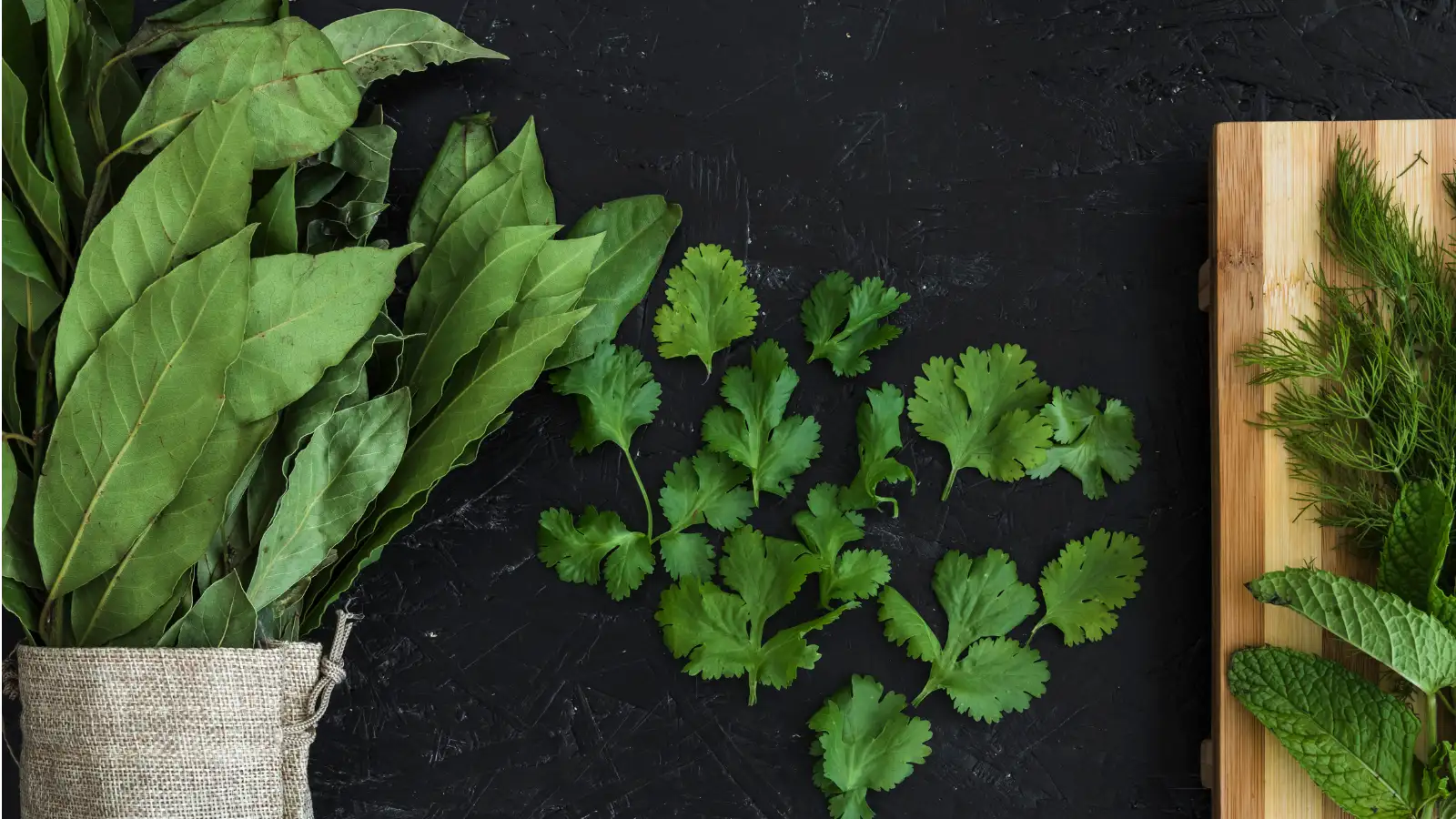
1. Nutrient Comparison
Curry leaves are rich in carbazole alkaloids with powerful antioxidant properties. They provide iron for anaemia prevention, calcium for strong bones, and fibre for gut health. Coriander leaves, on the other hand, shine in vitamin content: vitamin K for blood clotting and bone metabolism, vitamin C for immunity, and folate for heart health and cell repair.
2. Anti-Diabetic Benefits
Research from the University of Madras shows that curry leaves may help lower blood glucose levels by protecting insulin-producing pancreatic cells, making them a valuable herb for diabetes management.
3. Liver Support
Curry leaves protect the liver from oxidative stress and toxins, according to the International Journal of Pharma and Bio Sciences, supporting long-term liver health.
4. Skin and Hair Health
Antioxidants in curry leaves prevent premature greying and protect skin from infections. Oils infused with curry leaves are commonly used in Indian households for hair and skin wellness.
5. Cholesterol Management
Coriander leaves act as a natural diuretic and may reduce LDL (bad cholesterol) while increasing HDL (good cholesterol), promoting a healthy heart.
6. Digestive Aid
Coriander contains essential oils like linalool, which stimulate digestive enzymes, easing bloating and heavy stomach feelings after meals.
7. Anti-Inflammatory Effects
High vitamin content in coriander helps reduce internal inflammation, lowering the risk of lifestyle diseases and supporting overall wellness.
8. How to Use Them
Curry leaves are usually tempered in oil to release fat-soluble nutrients, while coriander is consumed raw to preserve heat-sensitive vitamin C. Growing both herbs at home is easy, affordable, and adds freshness to every meal.
9. Scientific Insights
Curry leaves have heat-stable antioxidants and carbazole alkaloids with anti-tumour and anti-inflammatory properties. Coriander helps detoxify heavy metals and supports blood pressure regulation, proving that both herbs have unique medicinal strengths.
10. Best Combination Tip
For maximum benefits, use them together in a green chutney. The vitamin C in coriander enhances iron absorption from curry leaves, providing a nutrient-packed boost in every meal.
Potential Side Effects
Coriander Leaves:
Pro Tip: Always consult a doctor before taking herbal supplements or powders, especially if you have health conditions or are on medication.
Disclaimer: This content is for general information only. It is not a substitute for professional medical advice. Always consult your doctor or a qualified health expert before making dietary or health decisions. Newspoint is not responsible for any health outcomes.
1. Nutrient Comparison
Curry leaves are rich in carbazole alkaloids with powerful antioxidant properties. They provide iron for anaemia prevention, calcium for strong bones, and fibre for gut health. Coriander leaves, on the other hand, shine in vitamin content: vitamin K for blood clotting and bone metabolism, vitamin C for immunity, and folate for heart health and cell repair. 2. Anti-Diabetic Benefits
Research from the University of Madras shows that curry leaves may help lower blood glucose levels by protecting insulin-producing pancreatic cells, making them a valuable herb for diabetes management.3. Liver Support
Curry leaves protect the liver from oxidative stress and toxins, according to the International Journal of Pharma and Bio Sciences, supporting long-term liver health. 4. Skin and Hair Health
Antioxidants in curry leaves prevent premature greying and protect skin from infections. Oils infused with curry leaves are commonly used in Indian households for hair and skin wellness.5. Cholesterol Management
Coriander leaves act as a natural diuretic and may reduce LDL (bad cholesterol) while increasing HDL (good cholesterol), promoting a healthy heart. 6. Digestive Aid
Coriander contains essential oils like linalool, which stimulate digestive enzymes, easing bloating and heavy stomach feelings after meals. 7. Anti-Inflammatory Effects
High vitamin content in coriander helps reduce internal inflammation, lowering the risk of lifestyle diseases and supporting overall wellness. 8. How to Use Them
Curry leaves are usually tempered in oil to release fat-soluble nutrients, while coriander is consumed raw to preserve heat-sensitive vitamin C. Growing both herbs at home is easy, affordable, and adds freshness to every meal.9. Scientific Insights
Curry leaves have heat-stable antioxidants and carbazole alkaloids with anti-tumour and anti-inflammatory properties. Coriander helps detoxify heavy metals and supports blood pressure regulation, proving that both herbs have unique medicinal strengths. 10. Best Combination Tip
For maximum benefits, use them together in a green chutney. The vitamin C in coriander enhances iron absorption from curry leaves, providing a nutrient-packed boost in every meal. Potential Side Effects
Curry Leaves:
- May cause stomach upset if eaten in excess.
- Limited data on concentrated use during pregnancy; stick to normal dietary amounts.
- Rare allergies may trigger rashes or breathing difficulties.
- Can lower blood sugar significantly when combined with medication.
Coriander Leaves:
- Large amounts may increase photosensitivity.
- Some people with the OR6A2 gene perceive coriander as soapy.
- Possible cross-reactions with fennel, celery, or caraway seeds.
- Can lower blood pressure slightly due to diuretic properties.
- Raw coriander may carry salmonella or E. coli if not washed properly.
Pro Tip: Always consult a doctor before taking herbal supplements or powders, especially if you have health conditions or are on medication.
Disclaimer: This content is for general information only. It is not a substitute for professional medical advice. Always consult your doctor or a qualified health expert before making dietary or health decisions. Newspoint is not responsible for any health outcomes.
Next Story