
Natural Protein or Supplements? Find Out Which Source Truly Fuels Your Body

To become healthier, it is important to eat enough protein each day. While regular exercise is crucial for fitness, getting the right amount of protein is also a key factor in your success. Protein acts as a vital nutrient for cell growth and overall body function. It consists of amino acids that your body uses to build and strengthen muscles. Let us take a closer look at the differences between protein supplements and natural sources of protein.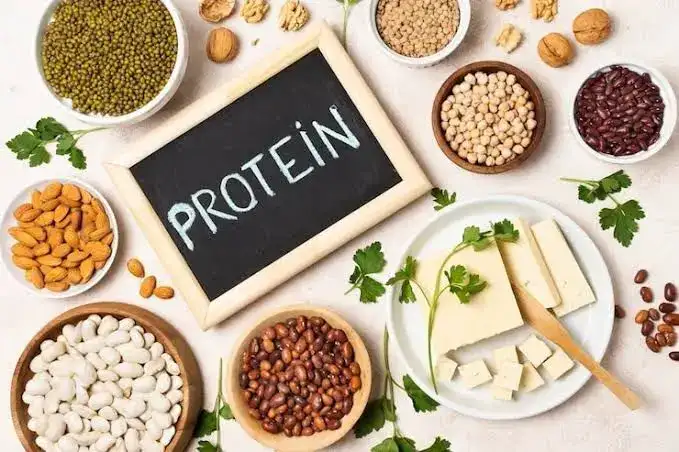
"When comparing protein supplements to natural protein sources , several factors should be considered, including nutritional value, convenience, and overall health benefits", certified nutrition coach Tanisha Bawa tells Health Shots, explaining the key differences.
How Much Protein Do You Need Daily?
Everyone's daily protein needs are different. These requirements depend on various factors such as gender, weight, age, and a person's level of activity. For most adults, the daily protein intake typically falls between 46 and 63 grams. However, pregnant and breastfeeding women usually require more, needing about 65 grams of protein each day.
Exploring the Best Natural Protein Sources
Protein is made from amino acids. There are 20 amino acids in total, but the human body cannot produce eight of them on its own. These eight amino acids must come from your food sources and are known as essential amino acids. According to Bawa, natural proteins are divided into two main types.
Animal Based Protein Benefits
“This includes all 8 essential amino acids. Grass-fed meats, pasture-raised eggs, and wild-caught fish help improve hormone function,” says the expert.
Choosing Plant Based Protein
According to the expert, plant protein can be further split into two main categories. Some foods are called complete proteins because they contain all 8 essential amino acids. These healthy foods include spirulina, hemp, soy, quinoa, lentils, buckwheat, and amaranth.
On the other hand, you need to combine incomplete proteins with other plant proteins to ensure you get all the essential amino acids. Examples of incomplete proteins include brown rice, peas, beans, chickpeas, and tahini. You do not have to eat these together in one meal, but you should aim to eat them on the same day.
There are some downsides to plant protein to keep in mind. It often has more carbohydrates and contains antinutrients that can hinder your body's ability to absorb nutrients, potentially leading to side effects. Examples of these antinutrients include phytate, oxalate, goitrogens, and lectins, which are commonly found in foods like soy.
Comparing Supplements and Protein Powders
Protein is also available in powders or bars that quickly deliver protein to your body. These forms are processed, similar to other vitamin supplements. According to the expert, non-vegetarians generally get enough protein from meat and usually do not need supplements.
However, many vegans and vegetarians often require protein supplements because their natural protein sources might not provide enough. As a result, they commonly use protein powders like whey, brown rice, and pea. Brown rice protein powder contains high levels of arsenic, which can be unsafe for our bodies. Whey protein contains soy lectins, which can cause gut inflammation and are not recommended. The best and safest protein powder is green pea protein, as it is a clean protein supplement, according to the expert.
Please be careful and do not take supplements without first talking to a doctor or nutritionist.
"When comparing protein supplements to natural protein sources , several factors should be considered, including nutritional value, convenience, and overall health benefits", certified nutrition coach Tanisha Bawa tells Health Shots, explaining the key differences.
How Much Protein Do You Need Daily?
Everyone's daily protein needs are different. These requirements depend on various factors such as gender, weight, age, and a person's level of activity. For most adults, the daily protein intake typically falls between 46 and 63 grams. However, pregnant and breastfeeding women usually require more, needing about 65 grams of protein each day.
Exploring the Best Natural Protein Sources
Protein is made from amino acids. There are 20 amino acids in total, but the human body cannot produce eight of them on its own. These eight amino acids must come from your food sources and are known as essential amino acids. According to Bawa, natural proteins are divided into two main types.
Animal Based Protein Benefits
“This includes all 8 essential amino acids. Grass-fed meats, pasture-raised eggs, and wild-caught fish help improve hormone function,” says the expert.
Choosing Plant Based Protein
According to the expert, plant protein can be further split into two main categories. Some foods are called complete proteins because they contain all 8 essential amino acids. These healthy foods include spirulina, hemp, soy, quinoa, lentils, buckwheat, and amaranth.
On the other hand, you need to combine incomplete proteins with other plant proteins to ensure you get all the essential amino acids. Examples of incomplete proteins include brown rice, peas, beans, chickpeas, and tahini. You do not have to eat these together in one meal, but you should aim to eat them on the same day.
There are some downsides to plant protein to keep in mind. It often has more carbohydrates and contains antinutrients that can hinder your body's ability to absorb nutrients, potentially leading to side effects. Examples of these antinutrients include phytate, oxalate, goitrogens, and lectins, which are commonly found in foods like soy.
Comparing Supplements and Protein Powders
Protein is also available in powders or bars that quickly deliver protein to your body. These forms are processed, similar to other vitamin supplements. According to the expert, non-vegetarians generally get enough protein from meat and usually do not need supplements.
However, many vegans and vegetarians often require protein supplements because their natural protein sources might not provide enough. As a result, they commonly use protein powders like whey, brown rice, and pea. Brown rice protein powder contains high levels of arsenic, which can be unsafe for our bodies. Whey protein contains soy lectins, which can cause gut inflammation and are not recommended. The best and safest protein powder is green pea protein, as it is a clean protein supplement, according to the expert.
Please be careful and do not take supplements without first talking to a doctor or nutritionist.
Next Story