
Dangerous Foods for Dogs: 9 Everyday Items That Can Poison Your Pet

Dangerous foods for dogs every pet owner should avoid: When it comes to your furry companion’s health, knowing about dangerous foods for dogs can be lifesaving. Many everyday foods that seem harmless to humans can seriously harm dogs, causing anything from stomach upset to organ failure. A quick snack from your plate or a dropped treat on the floor may appear innocent, but certain ingredients can quickly turn into a veterinary emergency. Understanding which foods are toxic to dogs is one of the most important steps every responsible pet owner can take.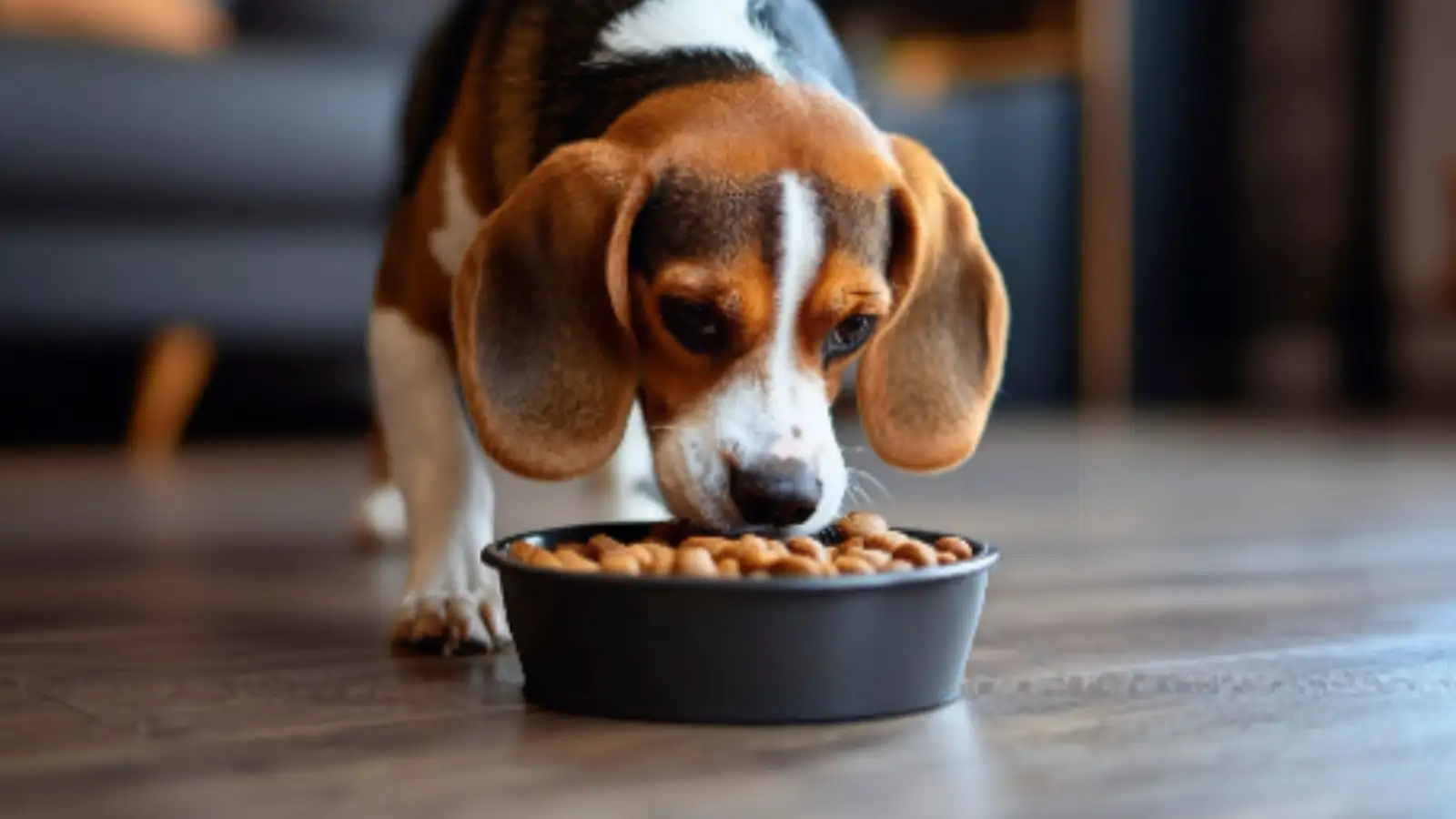
Why dogs react differently to human foods
Dogs have very different digestive systems compared to humans. Their bodies cannot properly process certain chemicals, compounds, and artificial sweeteners that people consume regularly. Because of this, foods that are perfectly safe for us may trigger poisoning, damage vital organs, or even become fatal for dogs. Awareness and prevention are key to keeping your pet safe.
Chocolate: A common but dangerous threat
Chocolate remains one of the most common causes of food poisoning in dogs. It contains theobromine, a compound that dogs cannot break down effectively. This can overstimulate the nervous system and heart, leading to symptoms such as:
Dark chocolate and baking chocolate are especially dangerous because they contain higher levels of theobromine.
Grapes and raisins: Small bite, serious damage
Grapes and raisins may look harmless, but they can cause sudden kidney failure in dogs. Even small amounts can be toxic, and reactions can vary widely from one dog to another. Some pets may become severely ill after consuming only a few pieces. Warning signs may include vomiting, lethargy, and reduced appetite.
Xylitol: The hidden toxin in sugar-free products
Xylitol is an artificial sweetener commonly found in:
For dogs, xylitol can trigger a rapid insulin release, causing dangerously low blood sugar levels. In severe cases, it may also lead to liver failure. Immediate veterinary care is crucial if ingestion occurs.
Onions and garlic: Slow but harmful poison
Whether raw, cooked, powdered, or processed, onions and garlic can damage a dog’s red blood cells, potentially causing anemia over time. Repeated exposure or large quantities can lead to:
These ingredients are often hidden in household meals, making accidental exposure more common than many owners realise.
Alcohol: Even tiny amounts can be toxic
Dogs are far more sensitive to alcohol than humans. Even small quantities can affect their brain and nervous system, causing:
Alcohol may also be present in raw dough and fermented foods, increasing the risk.
Macadamia nuts: Unexpectedly toxic
Macadamia nuts can cause severe symptoms in dogs, including:
Although most dogs recover with treatment, the reaction can be frightening and should always be treated as an emergency.
Caffeine: Not just harmful in coffee
Caffeine is found in coffee, tea, energy drinks, chocolate, and some medications. It can overstimulate a dog’s heart and nervous system, potentially leading to hyperactivity, elevated heart rate, and seizures.
Avocado: More risky than it seems
Avocados contain persin, a substance that may cause vomiting and diarrhoea in dogs. The pit is also dangerous because it can create a choking hazard or intestinal blockage.
Raw dough: A double danger
Raw yeast dough can be especially harmful because it expands inside the stomach and produces alcohol during fermentation. This can result in:
Many toxic foods for dogs are commonly found in kitchens, lunchboxes, or snack cupboards. Sugar-free products, leftovers, and festive treats can all pose hidden dangers. Since dogs naturally explore with their mouths, prevention depends entirely on owner awareness.
How to protect your dog from food poisoning
To reduce the risk of accidental poisoning:
Keeping your dog safe often comes down to understanding what not to feed them. Dangerous foods for dogs are more common than many owners realise, and even a small mistake can have serious consequences. By staying informed and cautious, you can prevent avoidable emergencies and ensure your pet enjoys a healthier, safer life. Your dog trusts you completely - making awareness your greatest responsibility.
Why dogs react differently to human foods
Dogs have very different digestive systems compared to humans. Their bodies cannot properly process certain chemicals, compounds, and artificial sweeteners that people consume regularly. Because of this, foods that are perfectly safe for us may trigger poisoning, damage vital organs, or even become fatal for dogs. Awareness and prevention are key to keeping your pet safe.
Chocolate: A common but dangerous threat
Chocolate remains one of the most common causes of food poisoning in dogs. It contains theobromine, a compound that dogs cannot break down effectively. This can overstimulate the nervous system and heart, leading to symptoms such as:
- Vomiting
- Rapid heartbeat
- Restlessness
- Tremors
- Seizures
Dark chocolate and baking chocolate are especially dangerous because they contain higher levels of theobromine.
Grapes and raisins: Small bite, serious damage
Grapes and raisins may look harmless, but they can cause sudden kidney failure in dogs. Even small amounts can be toxic, and reactions can vary widely from one dog to another. Some pets may become severely ill after consuming only a few pieces. Warning signs may include vomiting, lethargy, and reduced appetite.
Xylitol: The hidden toxin in sugar-free products
Xylitol is an artificial sweetener commonly found in:
- Sugar-free gum
- Candies
- Baked goods
- Peanut butter
- Toothpaste
For dogs, xylitol can trigger a rapid insulin release, causing dangerously low blood sugar levels. In severe cases, it may also lead to liver failure. Immediate veterinary care is crucial if ingestion occurs.
Onions and garlic: Slow but harmful poison
Whether raw, cooked, powdered, or processed, onions and garlic can damage a dog’s red blood cells, potentially causing anemia over time. Repeated exposure or large quantities can lead to:
- Weakness
- Lethargy
- Breathing issues
- Pale gums
These ingredients are often hidden in household meals, making accidental exposure more common than many owners realise.
Alcohol: Even tiny amounts can be toxic
Dogs are far more sensitive to alcohol than humans. Even small quantities can affect their brain and nervous system, causing:
- Disorientation
- Vomiting
- Difficulty breathing
- Tremors
- Coma
Alcohol may also be present in raw dough and fermented foods, increasing the risk.
Macadamia nuts: Unexpectedly toxic
Macadamia nuts can cause severe symptoms in dogs, including:
- Muscle weakness
- Vomiting
- Tremors
- Fever
Although most dogs recover with treatment, the reaction can be frightening and should always be treated as an emergency.
Caffeine: Not just harmful in coffee
Caffeine is found in coffee, tea, energy drinks, chocolate, and some medications. It can overstimulate a dog’s heart and nervous system, potentially leading to hyperactivity, elevated heart rate, and seizures.
Avocado: More risky than it seems
Avocados contain persin, a substance that may cause vomiting and diarrhoea in dogs. The pit is also dangerous because it can create a choking hazard or intestinal blockage.
Raw dough: A double danger
Raw yeast dough can be especially harmful because it expands inside the stomach and produces alcohol during fermentation. This can result in:
- Severe bloating
- Pain
- Alcohol poisoning
- Life-threatening complications
- Everyday foods can hide serious risks
Many toxic foods for dogs are commonly found in kitchens, lunchboxes, or snack cupboards. Sugar-free products, leftovers, and festive treats can all pose hidden dangers. Since dogs naturally explore with their mouths, prevention depends entirely on owner awareness.
How to protect your dog from food poisoning
To reduce the risk of accidental poisoning:
- Keep toxic foods out of reach
- Read ingredient labels carefully
- Avoid sharing human food unless approved by a vet
- Educate family members about harmful foods
- Contact a veterinarian immediately if poisoning is suspected
Keeping your dog safe often comes down to understanding what not to feed them. Dangerous foods for dogs are more common than many owners realise, and even a small mistake can have serious consequences. By staying informed and cautious, you can prevent avoidable emergencies and ensure your pet enjoys a healthier, safer life. Your dog trusts you completely - making awareness your greatest responsibility.
Next Story