
Deepest River Valley in India: Where It Is Located and What Makes It Special

Deepest River Valley in India is a topic that highlights the country’s incredible natural diversity and geological richness. India’s varied landscape is shaped by rivers that have carved valleys over millions of years. Among these, one stands out for its extraordinary depth and rugged beauty - the Dibang River Valley, a hidden gem in the northeastern Himalayas.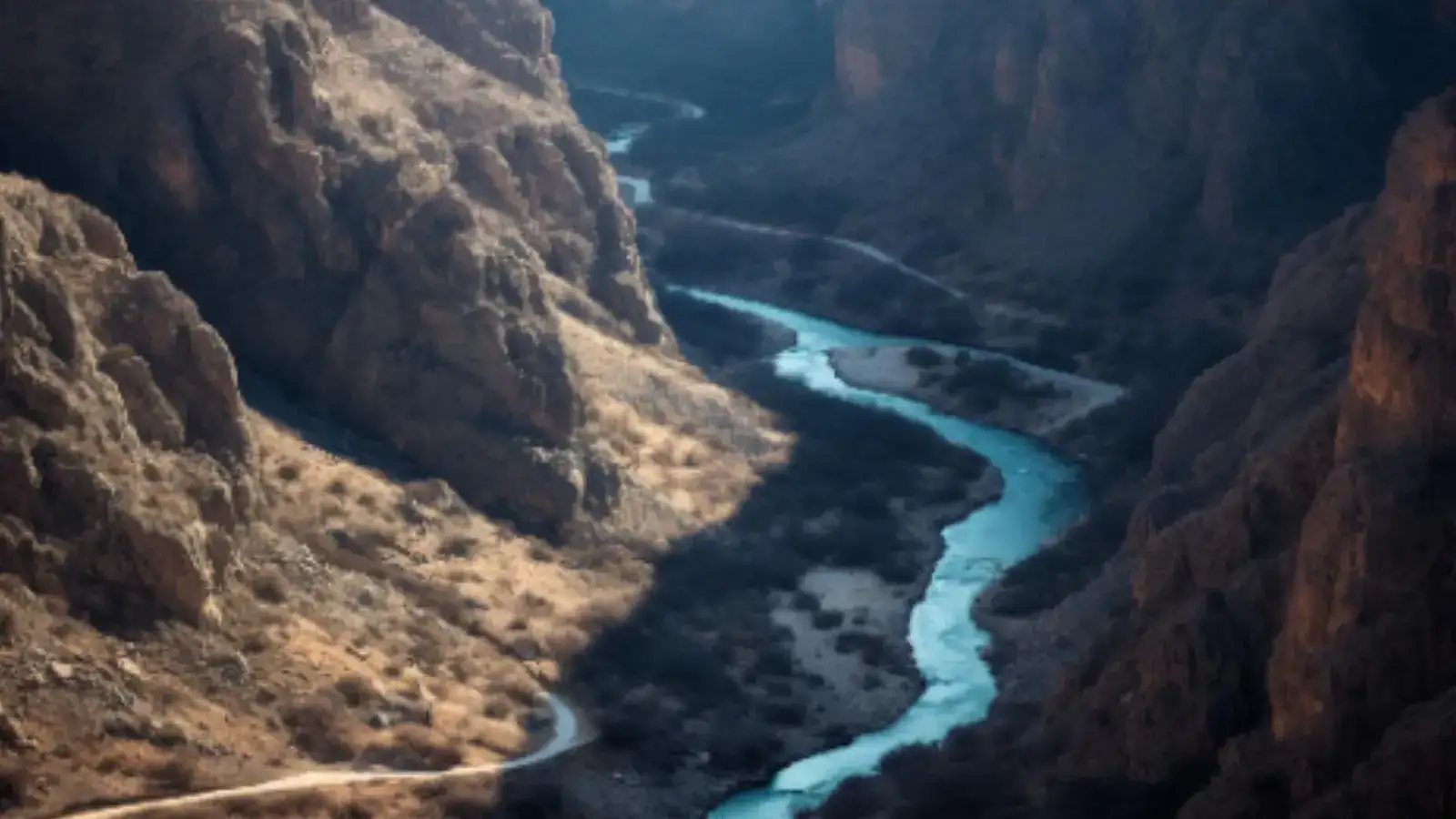
What Is the Deepest River Valley in India?
The Dibang River Valley is widely recognised as the deepest river valley in India. Carved by the powerful flow of the Dibang River, this valley cuts through steep mountain ranges and dramatic gorges in the eastern Himalayan region.
Over thousands of years, the river’s force has shaped the terrain, creating a valley that is both deep and visually stunning. Towering mountains and dense forests surround the region, making it one of the most striking yet lesser-known natural wonders in the country.
Where Is the Dibang River Valley Located?
The deepest river valley in India is situated in Arunachal Pradesh, a northeastern state known for its untouched natural beauty and mountainous terrain.
This isolation has helped preserve the valley’s natural ecosystem, keeping it largely untouched by urbanisation.
Other Major River Valleys in India
While the Dibang River Valley is the deepest, India is home to several other important river valleys that play a crucial role in supporting life and agriculture:
These valleys are essential for irrigation, settlements, and economic activities across the country.
How Are River Valleys Formed?
River valleys are formed through a long natural process called erosion. Flowing water gradually wears away rocks and soil, shaping the land over time.
The Dibang River Valley is a perfect example of how powerful natural forces can sculpt dramatic landforms over millions of years.
Key Features of the Deepest River Valley in India
Why the Dibang River Valley Stands Out
What makes the Dibang River Valley truly special is its combination of depth, isolation, and natural beauty. Unlike many other river valleys that are heavily populated or developed, this valley remains pristine and wild.
Its dramatic landscape, rich biodiversity, and geological significance make it not just the deepest river valley in India, but also one of the most fascinating natural regions in the country.
The Deepest River Valley in India, the Dibang River Valley, is a remarkable example of nature’s power and beauty. Hidden in the mountains of Arunachal Pradesh, it continues to intrigue scientists and nature lovers alike. As one of India’s least explored regions, it stands as a testament to the country’s rich and diverse natural heritage.
What Is the Deepest River Valley in India?
The Dibang River Valley is widely recognised as the deepest river valley in India. Carved by the powerful flow of the Dibang River, this valley cuts through steep mountain ranges and dramatic gorges in the eastern Himalayan region.
Over thousands of years, the river’s force has shaped the terrain, creating a valley that is both deep and visually stunning. Towering mountains and dense forests surround the region, making it one of the most striking yet lesser-known natural wonders in the country.
Where Is the Dibang River Valley Located?
The deepest river valley in India is situated in Arunachal Pradesh, a northeastern state known for its untouched natural beauty and mountainous terrain.
- Located in the eastern Himalayas
- Characterised by heavy rainfall and dense forests
- Home to remote tribal communities
- Limited accessibility due to rugged terrain
This isolation has helped preserve the valley’s natural ecosystem, keeping it largely untouched by urbanisation.
Other Major River Valleys in India
While the Dibang River Valley is the deepest, India is home to several other important river valleys that play a crucial role in supporting life and agriculture:
- Ganga River Valley – Known for fertile plains and dense population
- Brahmaputra River Valley – Rich in biodiversity and water resources
- Indus River Valley – Historically significant and agriculturally vital
These valleys are essential for irrigation, settlements, and economic activities across the country.
How Are River Valleys Formed?
River valleys are formed through a long natural process called erosion. Flowing water gradually wears away rocks and soil, shaping the land over time.
- In mountainous areas: Rivers create deep, narrow, and steep valleys
- In plains: Valleys tend to be wider and less steep
- Over time: Continuous erosion deepens the valley further
The Dibang River Valley is a perfect example of how powerful natural forces can sculpt dramatic landforms over millions of years.
Key Features of the Deepest River Valley in India
1. Located in the Eastern Himalayas
The valley lies in a region known for its rugged mountains, steep slopes, and breathtaking scenery.2. Rich Biodiversity
The surrounding forests host rare species of plants, birds, and animals unique to northeastern India.3. Formed Over Millions of Years
Continuous river erosion has shaped this deep valley over an extensive geological timeframe.4. Remote and Less Explored
Due to difficult terrain and limited infrastructure, the area remains one of the least explored regions in India.5. Ecological Importance
The Dibang River contributes to larger river systems and supports local ecosystems and communities.6. Research and Scientific Interest
The valley attracts geographers and environmental researchers studying landforms and biodiversity.7. Dense Forest Cover
Thick forests surrounding the valley play a vital role in maintaining ecological balance.Why the Dibang River Valley Stands Out
What makes the Dibang River Valley truly special is its combination of depth, isolation, and natural beauty. Unlike many other river valleys that are heavily populated or developed, this valley remains pristine and wild.
Its dramatic landscape, rich biodiversity, and geological significance make it not just the deepest river valley in India, but also one of the most fascinating natural regions in the country.
The Deepest River Valley in India, the Dibang River Valley, is a remarkable example of nature’s power and beauty. Hidden in the mountains of Arunachal Pradesh, it continues to intrigue scientists and nature lovers alike. As one of India’s least explored regions, it stands as a testament to the country’s rich and diverse natural heritage.
Next Story