
Desert Harvest: 9 Fruits You Didn’t Know Could Grow In The Desert

Deserts are often perceived as harsh, lifeless landscapes, but they are home to a remarkable variety of desert fruits . Despite scorching heat, limited rainfall, and rocky soil, several plants have adapted to survive and even produce nutritious fruits. These fruits have sustained desert communities for centuries, providing energy, hydration, and essential nutrients in some of the world’s most challenging environments.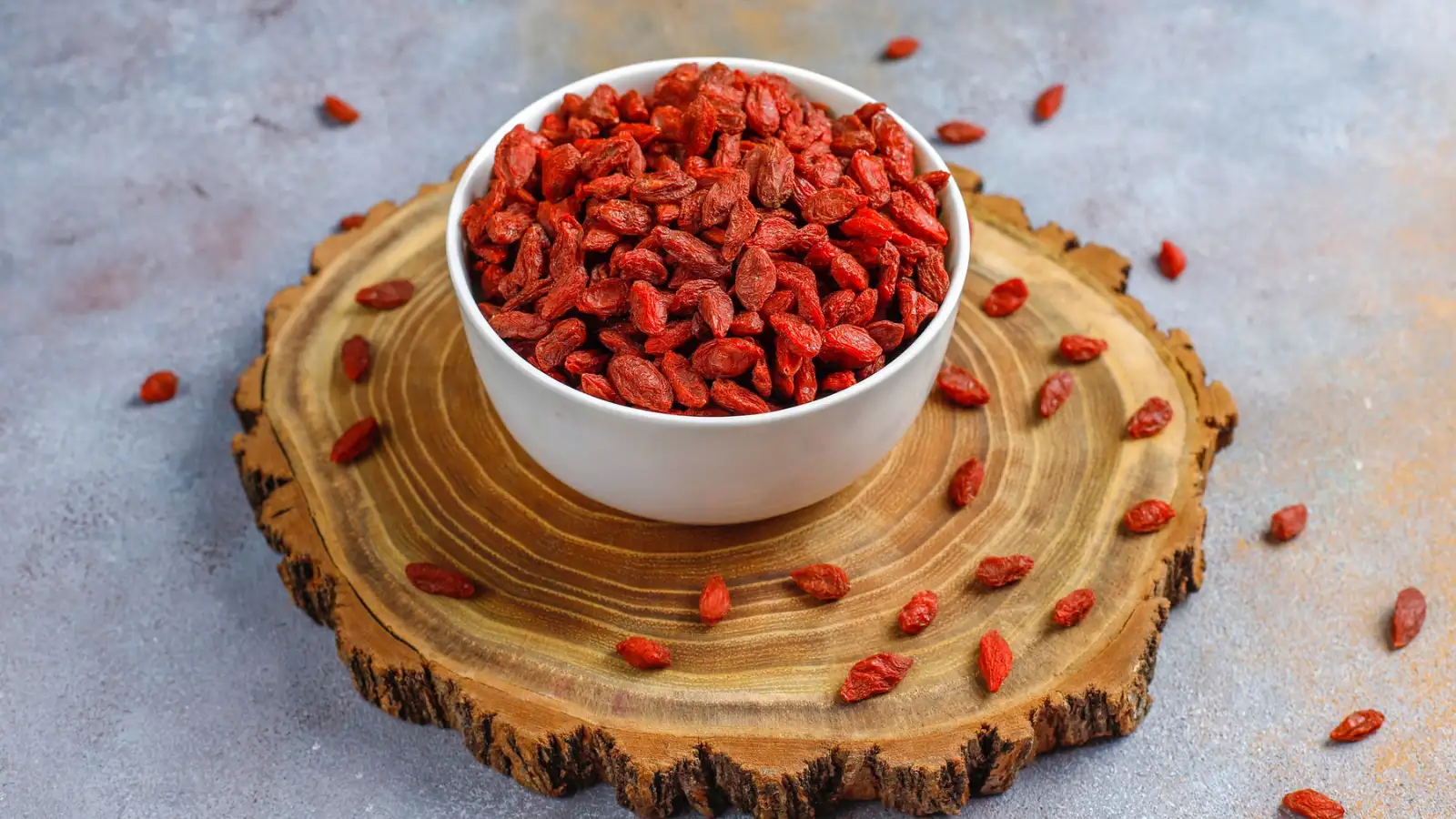
1. Prickly Pear
Prickly pear grows on cactus plants that thrive in dry, rocky soil. Its sweet, colourful flesh is packed with vitamin C and fibre. Once the spines are removed, it can be eaten fresh, juiced, or dried.
2. Saguaro Cactus Fruit
The saguaro cactus produces small red fruits atop its tall arms. Juicy and sweet, these fruits were traditionally harvested by Indigenous communities for both nutrition and hydration.
3. Wolfberries
Also known as goji berries, wolfberries grow on hardy shrubs in sandy deserts. Tangy-sweet and rich in vitamins A and C, they were a natural energy source for desert tribes.
Read More: 6 Simple Rose Water Astrology Remedies To Boost Your Luck
4. Mesquite Pods
Mesquite trees yield long pods with sweet pulp. Ground into flour, they provide protein and natural sugars, making them a valuable traditional desert food.
5. Buckhorn Cholla Fruit
This cactus produces lemon-flavoured fruits that remain on the plant most of the year. Roasted after spine removal, they offer vitamin C and energy.
6. Dates
Dates thrive near desert oases. Packed with natural sugars, fibre, and minerals, they have been a staple desert fruit for thousands of years.
7. Desert Lime
Native to Australia, desert limes are small citrus fruits high in vitamin C. The entire fruit, including the rind, is edible and used in drinks, sauces, and preserves.
8. Dragon Fruit
Growing on climbing cacti, dragon fruit adapts well to arid conditions. Mildly sweet and high in vitamin C, it is refreshing and hydrating in desert climates.
9. Yucca Fruit
Fleshy yucca pods can be roasted or boiled. Mild in flavour, they provide carbohydrates and essential nutrients to desert communities.
Despite harsh conditions, deserts host a variety of fruit-bearing plants. From cactus fruits like prickly pear and saguaro to staples like dates and dragon fruit, these desert fruits are vital for nutrition, hydration, and survival in extreme climates.
1. Prickly Pear
Prickly pear grows on cactus plants that thrive in dry, rocky soil. Its sweet, colourful flesh is packed with vitamin C and fibre. Once the spines are removed, it can be eaten fresh, juiced, or dried. 2. Saguaro Cactus Fruit
The saguaro cactus produces small red fruits atop its tall arms. Juicy and sweet, these fruits were traditionally harvested by Indigenous communities for both nutrition and hydration.3. Wolfberries
Also known as goji berries, wolfberries grow on hardy shrubs in sandy deserts. Tangy-sweet and rich in vitamins A and C, they were a natural energy source for desert tribes. Read More: 6 Simple Rose Water Astrology Remedies To Boost Your Luck
You may also like
- उकडू बैठने के अद्भुत फायदे और उपयोग
- Car thieves 'hate' Amazon's top-rated £7 'peace of mind' security item
- Devotees fall on burning coal while performing ritual in Telangana, 7 injured
- दही में मिलाएं ये 3 चीजें, Vitamin B12 की कमी को करें दूर
- Woman buys a train ticket for her goat too; netizens praise her honesty and innocence
4. Mesquite Pods
Mesquite trees yield long pods with sweet pulp. Ground into flour, they provide protein and natural sugars, making them a valuable traditional desert food. 5. Buckhorn Cholla Fruit
This cactus produces lemon-flavoured fruits that remain on the plant most of the year. Roasted after spine removal, they offer vitamin C and energy. 6. Dates
Dates thrive near desert oases. Packed with natural sugars, fibre, and minerals, they have been a staple desert fruit for thousands of years. 7. Desert Lime
Native to Australia, desert limes are small citrus fruits high in vitamin C. The entire fruit, including the rind, is edible and used in drinks, sauces, and preserves.8. Dragon Fruit
Growing on climbing cacti, dragon fruit adapts well to arid conditions. Mildly sweet and high in vitamin C, it is refreshing and hydrating in desert climates. 9. Yucca Fruit
Fleshy yucca pods can be roasted or boiled. Mild in flavour, they provide carbohydrates and essential nutrients to desert communities. Despite harsh conditions, deserts host a variety of fruit-bearing plants. From cactus fruits like prickly pear and saguaro to staples like dates and dragon fruit, these desert fruits are vital for nutrition, hydration, and survival in extreme climates.






More from our partners


Loving Newspoint? Download the app now
