
Think Your Watermelon Is Safe? 5 Simple Ways To Detect Adulteration at Home

Watermelons are a summer favorite—juicy, refreshing, and packed with hydration. But not all that looks ripe and red is naturally so. In recent years, rising concerns have emerged about the adulteration of watermelons using artificial dyes, chemicals, and unsafe ripening agents. While the fruit may appear tempting on the outside, it might be laced with substances harmful to your health. The good news? You can spot many of these adulterants using simple methods at home.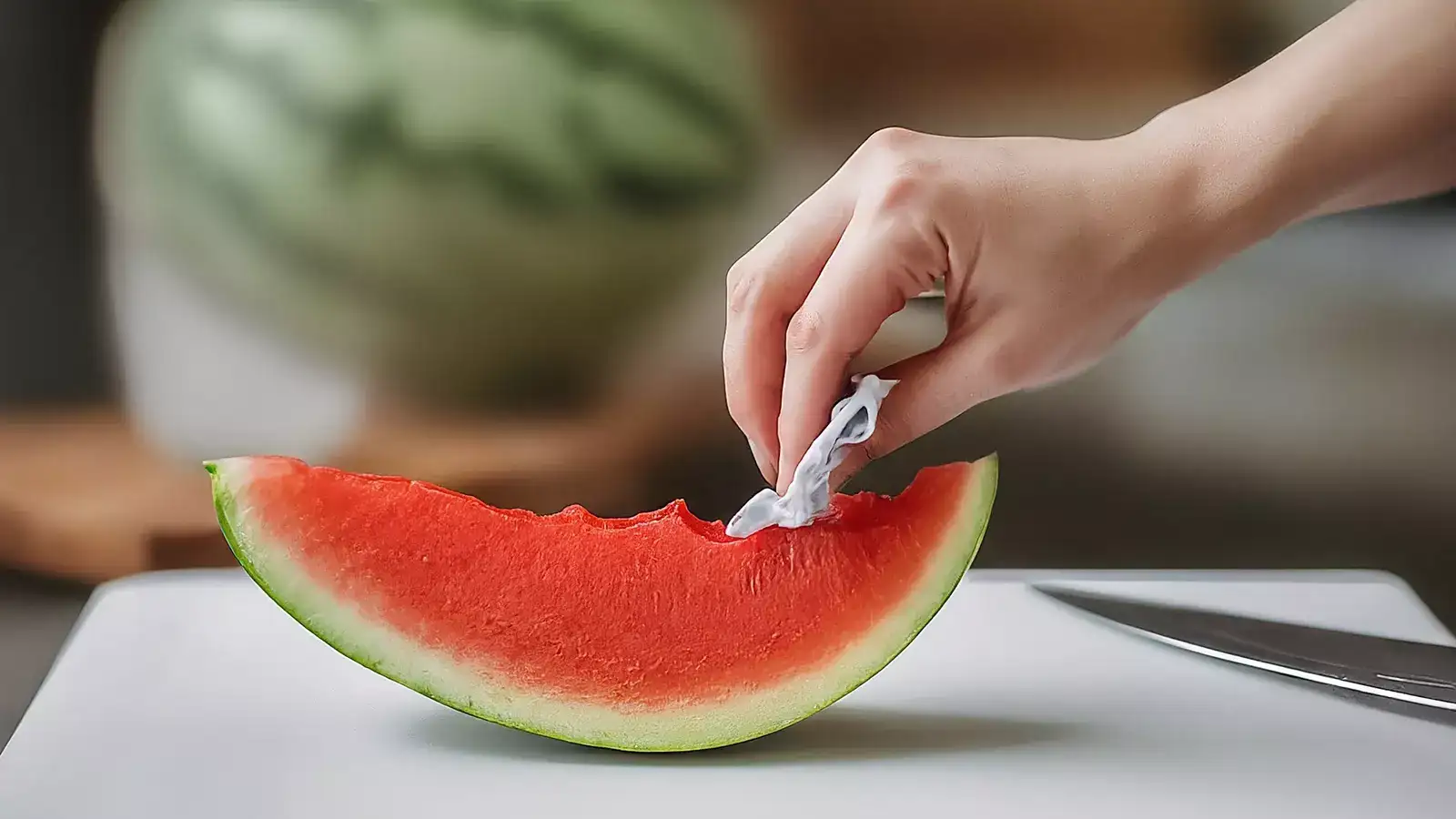
🍉 1. Check the Color of the Flesh: Too Red Might Be Too Risky
Natural watermelon flesh is typically red or pink, but not unnaturally dark or crimson. If the pulp appears excessively bright red or blood-like in color, it could be a red flag.
Why it matters: Some sellers inject erythrosine dye (Red No. 3) to make the fruit look more appealing. This chemical can cause health issues when consumed regularly.
How to check: Rub a cotton ball or tissue on the cut surface. If red color comes off easily, it’s likely dyed.
💧 2. Conduct the Water Test: Watch the Color Run
One of the easiest and most reliable home tests is the water bowl method.
What to do: Scoop a small piece of the watermelon flesh and put it in a clear glass of water. Let it sit for 10–15 minutes.
What to observe: If the water turns red or pink, the watermelon might have been artificially colored. Natural watermelon won't release significant color into water.
🔍 3. Inspect the Seeds: Black and Natural or Whitewashed?
Naturally ripened watermelons have black, dark brown, or pale brown seeds. If you find too many white or very light-colored seeds, the fruit may have been harvested before ripening and later treated with chemicals.
Why it matters: Prematurely harvested watermelons are often injected with carbide-based ripening agents that pose health risks like headaches, nausea, and long-term organ damage.
👃 4. Smell the Surface: Natural Aroma vs. Chemical Odor
Watermelon typically has a mild, sweet smell. If you notice a strong chemical-like odor or an unnatural fragrance from the cut surface, it’s best to avoid consuming it.
Why it matters: Some fruits are injected with sweeteners or synthetic substances to enhance taste artificially.
Tip: Trust your senses—if it smells off, it’s probably not safe.
🖐️ 5. Touch and Texture Test: Does the Juice Feel Sticky?
Fresh watermelon juice is thin and watery. If the juice feels sticky or slightly viscous on your fingers, it could be a sign of added sugar syrup or other adulterants.
How to test: Press a piece of the fruit gently and rub the juice between your fingers. Sticky texture is a red flag for artificial sweetness or additives.
⚠️ Health Risks of Adulterated Watermelons
Eating chemically treated or dyed watermelons may lead to:
It's especially dangerous for children, pregnant women, and individuals with existing health conditions.
🛒 Bonus Tips: How to Buy Safe Watermelons
Choose seasonal fruits: Buy from trusted local markets during peak watermelon season.
Watermelon should be a healthy, hydrating joy—not a hidden health hazard. With just a few simple tricks, you can protect yourself and your family from adulterated fruits. Trust your senses, buy smart, and always run a quick test at home when in doubt. Staying informed is the first step toward staying safe.
🍉 1. Check the Color of the Flesh: Too Red Might Be Too Risky
Natural watermelon flesh is typically red or pink, but not unnaturally dark or crimson. If the pulp appears excessively bright red or blood-like in color, it could be a red flag.
Why it matters: Some sellers inject erythrosine dye (Red No. 3) to make the fruit look more appealing. This chemical can cause health issues when consumed regularly.
How to check: Rub a cotton ball or tissue on the cut surface. If red color comes off easily, it’s likely dyed.
💧 2. Conduct the Water Test: Watch the Color Run
One of the easiest and most reliable home tests is the water bowl method.
What to do: Scoop a small piece of the watermelon flesh and put it in a clear glass of water. Let it sit for 10–15 minutes.
What to observe: If the water turns red or pink, the watermelon might have been artificially colored. Natural watermelon won't release significant color into water.
🔍 3. Inspect the Seeds: Black and Natural or Whitewashed?
Naturally ripened watermelons have black, dark brown, or pale brown seeds. If you find too many white or very light-colored seeds, the fruit may have been harvested before ripening and later treated with chemicals.
Why it matters: Prematurely harvested watermelons are often injected with carbide-based ripening agents that pose health risks like headaches, nausea, and long-term organ damage.
👃 4. Smell the Surface: Natural Aroma vs. Chemical Odor
Watermelon typically has a mild, sweet smell. If you notice a strong chemical-like odor or an unnatural fragrance from the cut surface, it’s best to avoid consuming it.
Why it matters: Some fruits are injected with sweeteners or synthetic substances to enhance taste artificially.
Tip: Trust your senses—if it smells off, it’s probably not safe.
🖐️ 5. Touch and Texture Test: Does the Juice Feel Sticky?
Fresh watermelon juice is thin and watery. If the juice feels sticky or slightly viscous on your fingers, it could be a sign of added sugar syrup or other adulterants.
How to test: Press a piece of the fruit gently and rub the juice between your fingers. Sticky texture is a red flag for artificial sweetness or additives.
⚠️ Health Risks of Adulterated Watermelons
Eating chemically treated or dyed watermelons may lead to:
- Digestive problems
- Skin allergies
- Hormonal imbalances
- Long-term toxicity affecting liver or kidneys
- Increased cancer risk with repeated exposure to banned dyes
It's especially dangerous for children, pregnant women, and individuals with existing health conditions.
🛒 Bonus Tips: How to Buy Safe Watermelons
Choose seasonal fruits: Buy from trusted local markets during peak watermelon season.
- Check the surface: Avoid fruits with cracks, needle marks, or liquid seeping out.
- Tap test: Knock gently—ripe watermelons sound hollow and deep.
- Look for the field spot: A creamy yellow patch indicates natural ripening on the ground.
Watermelon should be a healthy, hydrating joy—not a hidden health hazard. With just a few simple tricks, you can protect yourself and your family from adulterated fruits. Trust your senses, buy smart, and always run a quick test at home when in doubt. Staying informed is the first step toward staying safe.
Next Story