
Device Calibration: Why an Old Machine Is Not a Cheaper Option


The price difference between two clinics offering the same non-invasive treatment rarely comes down to location or overheads alone. More often, it comes down to the machine, specifically, whether it is still performing the way its manufacturer intended.
Calibration is the process of verifying and adjusting a device so that the energy it delivers matches what its settings say. A laser set to emit 20 joules per square centimetre should actually emit 20 joules per square centimetre. An RF device set to heat tissue to a target depth should reach that depth, not fall short of it. Over time, components degrade: laser diodes lose output power, handpiece optics accumulate micro-damage, and energy-delivery heads wear unevenly. Without regular calibration, the gap between the displayed setting and the actual output widens, and the person receiving the treatment has no way to know.
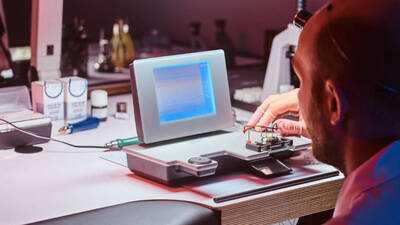
What Calibration Actually Involves Calibration is not a software update or a routine cleaning. It requires specialised equipment, typically a power meter or energy sensor, to measure what the device is actually outputting, then adjust internal components until the output matches the specification. For some devices, this means replacing parts. For others, it means recalibrating the delivery head or the cooling system that protects the skin during treatment.
Most manufacturers recommend calibration at defined intervals, often every six to twelve months depending on treatment volume. Devices that see heavy daily use may need it more frequently. The calibration record should be documented and available to the clinic. If a clinic cannot produce one, that is a meaningful gap.
Regulatory bodies including the Central Drugs Standard Control Organisation in India require that medical devices used in clinical settings be maintained according to manufacturer specifications. Calibration is part of that maintenance obligation, not an optional upgrade.
Why an Old Machine Is Not Simply a Cheaper Version A well-maintained device from five years ago can still perform within specification. An unmaintained device from two years ago may not. Age alone tells you very little. The relevant question is whether the device has been calibrated regularly and whether its output has been verified recently.
When a device is out of calibration in the direction of under-delivery, treatments produce weaker results, fewer collagen-remodelling events from RF microneedling, less selective photothermolysis from a laser, insufficient acoustic energy from HIFU to reach the SMAS layer. The patient completes a course of sessions and sees minimal change. The clinic may attribute this to the patient's skin type or age.
When a device is out of calibration in the direction of over-delivery, the risk shifts toward adverse events: burns, post-inflammatory hyperpigmentation, blistering, or prolonged erythema. Darker skin tones, Fitzpatrick types IV through VI, common across India, carry a higher baseline risk from laser and light-based treatments, and that risk increases significantly when energy delivery is unpredictable.
Neither scenario is a bargain at any price.
Questions Worth Asking Before You Book You do not need to interrogate a clinic to get useful information. A few specific questions will tell you a great deal about how seriously a practice treats its equipment.
Ask when the device was last calibrated and by whom. A clinic that services its machines through the manufacturer or an authorised service provider will be able to answer this. Ask whether the calibration is documented. Ask what device model is being used and look up its standard maintenance interval, most manufacturers publish this information.
If the clinic cannot answer these questions, or if the answer is that calibration happens when something goes wrong, that is the answer you needed. A lower price attached to an unmaintained machine is not a discount. It is a transfer of risk.
Who Should Be Especially Careful Anyone with a darker skin tone should ask specifically about the device's cooling system and its calibration status. Cooling, whether contact cooling, cryogen spray, or air cooling, protects the epidermis while sub-dermal energy is delivered. A cooling system that is not functioning correctly compounds the risk of a laser or light-based device that is delivering inconsistent energy.
People with active skin conditions, recent sun exposure, or a history of keloid scarring should discuss their specific situation with a qualified dermatologist before booking any energy-based treatment, regardless of the device's age or price. The suitability assessment matters as much as the equipment.
Calibration is a technical subject, but its practical implication is straightforward: the setting on a screen is not a guarantee of what reaches your skin. A clinic that takes its equipment seriously enough to maintain it is telling you something about how it will treat you as a patient, and that information is worth more than the difference in the quote.
Discover expert advice and the latest updates inSkin Care,Hair Care,Wellness,Dermatology, and more atStay Youngguide to lasting beauty and holistic health!
Calibration is the process of verifying and adjusting a device so that the energy it delivers matches what its settings say. A laser set to emit 20 joules per square centimetre should actually emit 20 joules per square centimetre. An RF device set to heat tissue to a target depth should reach that depth, not fall short of it. Over time, components degrade: laser diodes lose output power, handpiece optics accumulate micro-damage, and energy-delivery heads wear unevenly. Without regular calibration, the gap between the displayed setting and the actual output widens, and the person receiving the treatment has no way to know.
What Calibration Actually Involves Calibration is not a software update or a routine cleaning. It requires specialised equipment, typically a power meter or energy sensor, to measure what the device is actually outputting, then adjust internal components until the output matches the specification. For some devices, this means replacing parts. For others, it means recalibrating the delivery head or the cooling system that protects the skin during treatment.
Most manufacturers recommend calibration at defined intervals, often every six to twelve months depending on treatment volume. Devices that see heavy daily use may need it more frequently. The calibration record should be documented and available to the clinic. If a clinic cannot produce one, that is a meaningful gap.
Regulatory bodies including the Central Drugs Standard Control Organisation in India require that medical devices used in clinical settings be maintained according to manufacturer specifications. Calibration is part of that maintenance obligation, not an optional upgrade.
Why an Old Machine Is Not Simply a Cheaper Version A well-maintained device from five years ago can still perform within specification. An unmaintained device from two years ago may not. Age alone tells you very little. The relevant question is whether the device has been calibrated regularly and whether its output has been verified recently.
When a device is out of calibration in the direction of under-delivery, treatments produce weaker results, fewer collagen-remodelling events from RF microneedling, less selective photothermolysis from a laser, insufficient acoustic energy from HIFU to reach the SMAS layer. The patient completes a course of sessions and sees minimal change. The clinic may attribute this to the patient's skin type or age.
When a device is out of calibration in the direction of over-delivery, the risk shifts toward adverse events: burns, post-inflammatory hyperpigmentation, blistering, or prolonged erythema. Darker skin tones, Fitzpatrick types IV through VI, common across India, carry a higher baseline risk from laser and light-based treatments, and that risk increases significantly when energy delivery is unpredictable.
Neither scenario is a bargain at any price.
Questions Worth Asking Before You Book You do not need to interrogate a clinic to get useful information. A few specific questions will tell you a great deal about how seriously a practice treats its equipment.
Ask when the device was last calibrated and by whom. A clinic that services its machines through the manufacturer or an authorised service provider will be able to answer this. Ask whether the calibration is documented. Ask what device model is being used and look up its standard maintenance interval, most manufacturers publish this information.
If the clinic cannot answer these questions, or if the answer is that calibration happens when something goes wrong, that is the answer you needed. A lower price attached to an unmaintained machine is not a discount. It is a transfer of risk.
Who Should Be Especially Careful Anyone with a darker skin tone should ask specifically about the device's cooling system and its calibration status. Cooling, whether contact cooling, cryogen spray, or air cooling, protects the epidermis while sub-dermal energy is delivered. A cooling system that is not functioning correctly compounds the risk of a laser or light-based device that is delivering inconsistent energy.
People with active skin conditions, recent sun exposure, or a history of keloid scarring should discuss their specific situation with a qualified dermatologist before booking any energy-based treatment, regardless of the device's age or price. The suitability assessment matters as much as the equipment.
Calibration is a technical subject, but its practical implication is straightforward: the setting on a screen is not a guarantee of what reaches your skin. A clinic that takes its equipment seriously enough to maintain it is telling you something about how it will treat you as a patient, and that information is worth more than the difference in the quote.
Discover expert advice and the latest updates inSkin Care,Hair Care,Wellness,Dermatology, and more atStay Youngguide to lasting beauty and holistic health!
Next Story