
Devotees perform Chhath Puja amid Yamuna's toxic foam: Health risks of polluted river water, symptoms to watch for, and how to stay safe


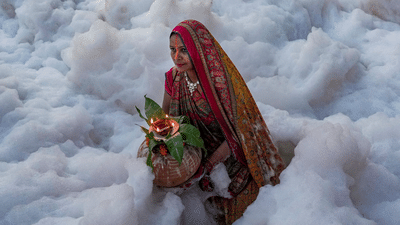
For those who observe it every year, Chhath Puja goes beyond rituals: it’s a festival of faith, gratitude, and extraordinary devotion, with worshippers offering prayers to the Sun God while standing in water, often for extended periods. However, in Delhi-NCR, one more layer gets added to these celebrations, one that’s hard to miss. One can see it in the thick, eerie blanket of white foam that clings to the Yamuna’s surface, floating around the feet of worshippers. Cameras capture the contradiction: faith on one side, toxic water on the other. The stark reality of devotion playing out in a river choked with pollution forces a blunt question.
So, what does this pollution mean for those standing in the water? What are the risks for everyone who calls this city home?
Now, that foam isn’t just a cosmetic problem. It’s a cocktail of detergents, industrial chemicals, and untreated sewage; ingredients that flow unchecked into the Yamuna every day. These pollutants mix with dangerous bacteria, viruses, and all sorts of other nasty microorganisms. Devotees who brave the river during Chhath aren’t just wrestling with tired legs and cold water, but exposing themselves, often unknowingly, to risks that go way beyond a mild rash or a headache. With festivals bringing in crowds by the thousands, the danger multiplies.
What happens when that polluted water gets into your eyes, seeps into open skin, or worse, slips past your lips? How do you spot trouble, and what should you do if you’re exposed?
Why is the Yamuna covered with white foam?Anyone who’s lived in Delhi long enough has seen the pictures: the Yamuna foaming like a monstrous washing machine. That white froth is the visible evidence of unchecked pollution. It comes from chemicals like detergents and surfactants from households and industries, plus a steady flow of untreated sewage. When the river gets agitated by wind, waves, or the push of new water, these chemicals whip into foam.
In winter, the problem gets even worse. The river’s flow slows to a crawl, especially near places like Kalindi Kunj and the Okhla Barrage. With less water to dilute anything, the filth accumulates, and the foam spreads, sometimes piling up along the banks. According to The New Indian Express, cleaning squads tried to sweep away the mess, but in vain. Instead, every stray patch of foam that pops up during holy festivals like Chhath is a reminder: the problem isn’t going anywhere.
How unsafe is Yamuna’s toxic foam?When you see foam, your gut may already say “Not safe.” But the hard data drives the message home. An analysis published by NDTV on November 13, using Delhi Pollution Control Committee (DPCC) water-quality data and satellite imagery, shows a grim truth: not a single one of Delhi’s main Chhath ghats on the Yamuna meets basic bathing-water standards.
Some numbers are no less than shocking. Take the ISBT Bridge monitoring station: the faecal coliform count stood at 35,000 MPN per 100 ml, against a maximum permissible bathing-water limit of 2,500. At ITO Bridge, it was 17,000, while the reading at Okhla Barrage was 23,000, whereas the government’s maximum safe level is just 2,500.
These readings point to contamination from human and animal waste. It’s not just about bacteria, either. Other tests show high biochemical oxygen demand, or BOD, a measure of how much organic pollution is eating up the river’s oxygen. At ISBT, it’s 28 mg/L, almost ten times higher than the safe limit for bathing.
The river looks bad, sure, but what you can’t see is just as dangerous, or often worse.
Health risks of coming into contact with polluted Yamuna waterMost people don’t think twice before stepping in for a ritual, but polluted water really can mess with your health. Here’s how:
Skin irritations: Your skin is the first line of defense. Standing or wading in contaminated water can leave you with rashes, itchiness, and redness. For some, it leads to full-blown infections, especially if there are open cuts, scratches, or pre-existing skin problems. Eye and ear infections: Just a splash can do it. Water packed with bacteria or harsh chemicals can trigger eye irritation, redness, and even more serious infections. The ears aren’t immune, and getting water inside can mean days of discomfort or inflammation. Stomach troubles: Swallowing river water, even by accident, opens a direct line for pathogens. You might start off with nausea or stomach cramps, but bouts of vomiting, diarrhoea, and fever aren’t far behind. In some cases, people pick up serious diseases like hepatitis A, typhoid, and cholera. Breathing difficulties: Believe it or not, you can also breathe in problems. Droplets and mist can irritate your lungs and throat, especially if the water carries strong chemicals or certain microbes. No one plans to inhale river spray, but it happens, and the health consequences are real.The CDC, which tracks these things worldwide, lists eye/ear infections, stomach bugs, rashes, and even respiratory issues as standard risks from contaminated water.
What should you do after exposure to polluted river water ?If you took part in Chhath, or just happened to get Yamuna water on your skin. First things first: get out, and wash thoroughly with soap and clean running water. Focus on spots that were underwater, especially if you have any scrapes or open skin.
Change out of your wet clothes and footwear, and wash them separately so you don’t spread contaminants to other laundry. If water splashed into your eyes, rinse with fresh water gently, instead of rubbing the spot. Same goes for red or irritated skin; don’t use harsh chemicals and avoid any home ‘remedies’ that might make it worse.
Swallowed the toxic water? Don’t try to throw it up. Instead, pay attention to how you feel in the next hours and days. If symptoms like diarrhoea, vomiting, abdominal cramps, rashes, or eye issues show up, don’t write them off. For kids, the elderly, pregnant women, and anyone with a weaker immune system, it’s extra important to take symptoms seriously. If things get worse and lead to persistent diarrhoea, high fever, dehydration, or trouble breathing, get medical help without any delay.
Keep in mind that Chhath Puja is as much about the connection between people and the natural world as it is about tradition. True reverence means making sure the thing you worship is worth celebrating, and safe enough for a future generation to do the same.
So, what does this pollution mean for those standing in the water? What are the risks for everyone who calls this city home?
Now, that foam isn’t just a cosmetic problem. It’s a cocktail of detergents, industrial chemicals, and untreated sewage; ingredients that flow unchecked into the Yamuna every day. These pollutants mix with dangerous bacteria, viruses, and all sorts of other nasty microorganisms. Devotees who brave the river during Chhath aren’t just wrestling with tired legs and cold water, but exposing themselves, often unknowingly, to risks that go way beyond a mild rash or a headache. With festivals bringing in crowds by the thousands, the danger multiplies.
What happens when that polluted water gets into your eyes, seeps into open skin, or worse, slips past your lips? How do you spot trouble, and what should you do if you’re exposed?
Why is the Yamuna covered with white foam?Anyone who’s lived in Delhi long enough has seen the pictures: the Yamuna foaming like a monstrous washing machine. That white froth is the visible evidence of unchecked pollution. It comes from chemicals like detergents and surfactants from households and industries, plus a steady flow of untreated sewage. When the river gets agitated by wind, waves, or the push of new water, these chemicals whip into foam.
In winter, the problem gets even worse. The river’s flow slows to a crawl, especially near places like Kalindi Kunj and the Okhla Barrage. With less water to dilute anything, the filth accumulates, and the foam spreads, sometimes piling up along the banks. According to The New Indian Express, cleaning squads tried to sweep away the mess, but in vain. Instead, every stray patch of foam that pops up during holy festivals like Chhath is a reminder: the problem isn’t going anywhere.
How unsafe is Yamuna’s toxic foam?When you see foam, your gut may already say “Not safe.” But the hard data drives the message home. An analysis published by NDTV on November 13, using Delhi Pollution Control Committee (DPCC) water-quality data and satellite imagery, shows a grim truth: not a single one of Delhi’s main Chhath ghats on the Yamuna meets basic bathing-water standards.
Some numbers are no less than shocking. Take the ISBT Bridge monitoring station: the faecal coliform count stood at 35,000 MPN per 100 ml, against a maximum permissible bathing-water limit of 2,500. At ITO Bridge, it was 17,000, while the reading at Okhla Barrage was 23,000, whereas the government’s maximum safe level is just 2,500.
These readings point to contamination from human and animal waste. It’s not just about bacteria, either. Other tests show high biochemical oxygen demand, or BOD, a measure of how much organic pollution is eating up the river’s oxygen. At ISBT, it’s 28 mg/L, almost ten times higher than the safe limit for bathing.
The river looks bad, sure, but what you can’t see is just as dangerous, or often worse.
Health risks of coming into contact with polluted Yamuna waterMost people don’t think twice before stepping in for a ritual, but polluted water really can mess with your health. Here’s how:
What should you do after exposure to polluted river water ?If you took part in Chhath, or just happened to get Yamuna water on your skin. First things first: get out, and wash thoroughly with soap and clean running water. Focus on spots that were underwater, especially if you have any scrapes or open skin.
Change out of your wet clothes and footwear, and wash them separately so you don’t spread contaminants to other laundry. If water splashed into your eyes, rinse with fresh water gently, instead of rubbing the spot. Same goes for red or irritated skin; don’t use harsh chemicals and avoid any home ‘remedies’ that might make it worse.
Swallowed the toxic water? Don’t try to throw it up. Instead, pay attention to how you feel in the next hours and days. If symptoms like diarrhoea, vomiting, abdominal cramps, rashes, or eye issues show up, don’t write them off. For kids, the elderly, pregnant women, and anyone with a weaker immune system, it’s extra important to take symptoms seriously. If things get worse and lead to persistent diarrhoea, high fever, dehydration, or trouble breathing, get medical help without any delay.
Keep in mind that Chhath Puja is as much about the connection between people and the natural world as it is about tradition. True reverence means making sure the thing you worship is worth celebrating, and safe enough for a future generation to do the same.
Next Story