
Diabetic-friendly seeds that may help manage sugar


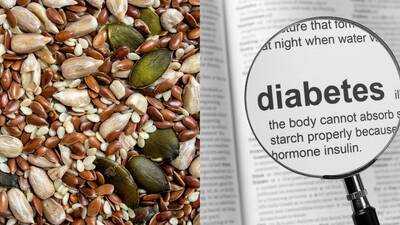
Deciding what to put on your plate is one of the most frustrating parts of living with diabetes. Every meal directly influences your blood sugar, so the goal is always the same: pick foods that digest slowly, supply steady energy, and keep glucose from spiking. However, health experts frequently point to seeds as an easy addition to a diabetic diet as they have a low glycemic index, carry almost no carb load, and come packed with fiber, healthy fats, and plant protein. Together, these nutrients slow down digestion and help keep your blood sugar steady throughout the day.
Chia Seeds
These are one of the most hyped Chia seeds are an ideal place to start. They are loaded with omega-3 fatty acids, soluble fiber, and protein. When chia seeds are mixed with liquid, they often turn into a thick gel inside your stomach. And this gel makes your stomach empty slowly and slows the breakdown of carbohydrates. As a result, your blood sugar levels stay more stable. You don’t get sudden spikes after eating. Studies published in Diabetes Care found that people with type 2 diabetes who added chia seeds to their daily routines saw noticeable improvements in their glycemic control, alongside lower blood pressure and reduced inflammation markers. You can stir soaked chia seeds into yogurt, throw them in smoothies, or leave them in milk overnight to set into a simple, low-sugar pudding.
Flaxseeds
Flaxseeds offer similar benefits, but with a unique nutritional edge. They are rich in alpha-linolenic acid (a plant-based omega-3), fiber, and antioxidant compounds called lignans, which help your body’s cells respond better to insulin. The thick mucilage fiber in flaxseeds slows down nutrient absorption, allowing sugar to enter the bloodstream at a manageable pace. A review in Nutrient Research showed that regular flaxseed consumption reliably drops fasting blood glucose levels and improves long-term HbA1c readings. Because whole flaxseeds usually pass through your digestive system unabsorbed, it is best to buy them ground or grind them at home. Ground flax mixes effortlessly into oatmeal, protein shakes, or low-carb muffin batters.
Pumpkin Seeds
Pumpkin seeds often sold as pepitas are a great source of magnesium, a mineral that plays a direct role in how your body breaks down sugar. Magnesium acts as a key cofactor for the enzymes that manage glucose metabolism and insulin sensitivity. Meta‑analyses published in Diabetes Care reveal that higher magnesium intake directly links to rates of type 2 diabetes and improves overall blood sugar control. Pumpkin seeds supply. Polyunsaturated fats that strengthen the immune system and support heart health. Pumpkin seeds can be eaten raw. Dry‑roasted straight from the hand or tossed over salads, warm soups and grain bowls to add extra crunch.
Sunflower seeds
Sunflower seeds offer a blend of vitamin E, healthy fats, and a plant compound called acid. Chlorogenic acid blocks the enzyme that releases stored glucose from the liver into the blood, preventing sugar spikes after meals. Sunflower seeds also lower cholesterol, a vital benefit for people with diabetes who worry about heart health. Studies in the Journal of Chemical and Pharmaceutical Research show that the fats and antioxidant compounds in sunflower seeds combine to improve post‑meal glucose responses. Keep sunflower seeds raw or unsalted roasted to keep sodium intake low.
Sesame seeds
Sesame seeds hold levels of unique antioxidants called sesamin and sesamolin. These antioxidants fight stress, a major cause of pancreatic cell damage and insulin resistance. Systematic reviews in Phytotherapy Research confirm that adding sesame seeds to a diet reduces fasting blood sugar and HbA1c over time. Whole sesame seeds give texture when sprinkled over stir‑fries, roasted vegetables, or fresh salads. I also use tahini, a paste made from ground sesame seeds as a low‑carb base for salad dressings and savory sauces.
Hemp seeds
Hemp seeds, also called hemp hearts, contain few carbohydrates but are rich in complete plant protein, healthy unsaturated fats and fiber. Eating high‑protein, high‑fiber seeds slows emptying, which smooths the post‑meal glucose curve and keeps you full longer. Clinical studies in Frontiers in Nutrition show that intact seed proteins help moderate blood sugar responses and support metabolic health. Hemp hearts have a nutty flavor that pairs well when sprinkled over morning porridge, yogurt bowls, green smoothies, or fresh salads.
Chia Seeds
These are one of the most hyped Chia seeds are an ideal place to start. They are loaded with omega-3 fatty acids, soluble fiber, and protein. When chia seeds are mixed with liquid, they often turn into a thick gel inside your stomach. And this gel makes your stomach empty slowly and slows the breakdown of carbohydrates. As a result, your blood sugar levels stay more stable. You don’t get sudden spikes after eating. Studies published in Diabetes Care found that people with type 2 diabetes who added chia seeds to their daily routines saw noticeable improvements in their glycemic control, alongside lower blood pressure and reduced inflammation markers. You can stir soaked chia seeds into yogurt, throw them in smoothies, or leave them in milk overnight to set into a simple, low-sugar pudding.
Diabetes diet: The right kind of macronutrients to add to the diet
Flaxseeds
Flaxseeds offer similar benefits, but with a unique nutritional edge. They are rich in alpha-linolenic acid (a plant-based omega-3), fiber, and antioxidant compounds called lignans, which help your body’s cells respond better to insulin. The thick mucilage fiber in flaxseeds slows down nutrient absorption, allowing sugar to enter the bloodstream at a manageable pace. A review in Nutrient Research showed that regular flaxseed consumption reliably drops fasting blood glucose levels and improves long-term HbA1c readings. Because whole flaxseeds usually pass through your digestive system unabsorbed, it is best to buy them ground or grind them at home. Ground flax mixes effortlessly into oatmeal, protein shakes, or low-carb muffin batters.
Pumpkin Seeds
Pumpkin seeds often sold as pepitas are a great source of magnesium, a mineral that plays a direct role in how your body breaks down sugar. Magnesium acts as a key cofactor for the enzymes that manage glucose metabolism and insulin sensitivity. Meta‑analyses published in Diabetes Care reveal that higher magnesium intake directly links to rates of type 2 diabetes and improves overall blood sugar control. Pumpkin seeds supply. Polyunsaturated fats that strengthen the immune system and support heart health. Pumpkin seeds can be eaten raw. Dry‑roasted straight from the hand or tossed over salads, warm soups and grain bowls to add extra crunch.
Sunflower seeds
Sunflower seeds offer a blend of vitamin E, healthy fats, and a plant compound called acid. Chlorogenic acid blocks the enzyme that releases stored glucose from the liver into the blood, preventing sugar spikes after meals. Sunflower seeds also lower cholesterol, a vital benefit for people with diabetes who worry about heart health. Studies in the Journal of Chemical and Pharmaceutical Research show that the fats and antioxidant compounds in sunflower seeds combine to improve post‑meal glucose responses. Keep sunflower seeds raw or unsalted roasted to keep sodium intake low.
Sesame seeds
Sesame seeds hold levels of unique antioxidants called sesamin and sesamolin. These antioxidants fight stress, a major cause of pancreatic cell damage and insulin resistance. Systematic reviews in Phytotherapy Research confirm that adding sesame seeds to a diet reduces fasting blood sugar and HbA1c over time. Whole sesame seeds give texture when sprinkled over stir‑fries, roasted vegetables, or fresh salads. I also use tahini, a paste made from ground sesame seeds as a low‑carb base for salad dressings and savory sauces.
Hemp seeds
Hemp seeds, also called hemp hearts, contain few carbohydrates but are rich in complete plant protein, healthy unsaturated fats and fiber. Eating high‑protein, high‑fiber seeds slows emptying, which smooths the post‑meal glucose curve and keeps you full longer. Clinical studies in Frontiers in Nutrition show that intact seed proteins help moderate blood sugar responses and support metabolic health. Hemp hearts have a nutty flavor that pairs well when sprinkled over morning porridge, yogurt bowls, green smoothies, or fresh salads.
Next Story