
Dietary Fiber: Gut Cleansing, How It Protects Heart Health & Fights Inflammation


Dietary fiber is enjoying a major resurgence across modern nutritional science and digital wellness trends, breaking out of its dated reputation as a simple laxative or digestive bulk agent. Growing clinical research demonstrates that adequate daily fiber intake plays a decisive role in shielding the cardiovascular system, optimizing blood glucose regulation, and significantly reducing the incidence of colorectal cancer and metabolic disorders.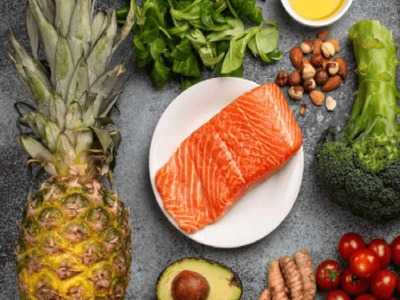 Despite these well-documented systemic benefits, public health surveys reveal an alarming national fiber gap, with only four percent of American adults meeting daily nutritional guidelines and the vast majority falling well below clinical recommendations.Understanding the Daily Fiber Deficit: 25g to 38g Intake Targets vs RealityEpidemiological surveys emphasize a stark disparity between what human bodies require and what modern diets deliver:Recommended Daily Intake: Medical guidelines establish a baseline target of 25 grams of dietary fiber per day for adult women and 38 grams per day for adult men to maintain cardiovascular and metabolic resilience.The 4 Percent Reality: Multi-year nutritional surveillance data collected between 2013 and 2018 indicates that a mere 4 percent of American adults consistently achieve their recommended quota, with the nationwide average languishing at roughly 16 grams daily.What Makes Fiber Unique: Unlike digestible carbohydrates that break down rapidly into simple sugars, dietary fiber consists of non-digestible plant carbohydrates that pass through the upper gastrointestinal tract largely intact, performing mechanical, metabolic, and microbial tasks along the way.Rich Natural Reservoirs: Diverse plant-based staples serve as premier sources, including raspberries, blackberries, ripe avocados, rolled oats, intact whole grains, lentils, chickpeas, and navy beans.Distinct Fibers Deliver Targeted Benefits: Gel-Forming Psyllium vs Prebiotic InulinNot all dietary fibers function identically within human physiology; their mechanical structure dictates their specific therapeutic impact:Viscous, Gel-Forming Fibers (Psyllium Husk): When psyllium comes into contact with water, it forms an expandable, viscous gel matrix within the digestive tract.This slow-moving gel blunts glucose absorption spikes, binds with bile acids to lower LDL cholesterol, helps regulate arterial blood pressure, promotes satiety for sustainable weight management, and eases bowel transit.Prebiotic Fermentable Fibers (Inulin): Fermentable fibers such as inulin, frequently extracted and formulated into high-fiber functional snacks and fortified beverages, resist stomach digestion and travel down to feed anaerobic colonies in the large intestine.Systemic Anti-Inflammatory Byproducts: As intestinal microflora ferment inulin and related prebiotic oligosaccharides, they generate short-chain fatty acids (SCFAs) like acetate, propionate, and butyrate, which strengthen the gut mucosal lining, suppress systemic inflammation, and enhance metabolic signaling.The Case for Variety: Health specialists urge consumers to derive fiber from diverse whole-food sources rather than leaning on isolated single-ingredient supplements, ensuring the body absorbs a full spectrum of natural antioxidants, vitamins, and minerals.Fiber vs Probiotics: The Synergy Fueling the Gut MicrobiomeOptimal gastrointestinal health relies on a collaborative balance between the food source and the living microbes inhabiting the colon:Fuel vs Microorganisms: In fundamental terms, dietary prebiotic fiber supplies the essential nutritional substrate required by beneficial microbes, whereas probiotics (found in fermented foods like plain Greek yogurt, kefir, sauerkraut, and kimchi) introduce viable living bacterial strains directly into the digestive tract.The 2021 Landmark Cohort Study: A controlled clinical study tracking 36 healthy adults revealed distinct physiological divergence based on dietary interventions.Participants assigned high-fiber diets saw their resident gut bacteria ramp up production of specialized fiber-digesting enzymes, while those consuming probiotic fermented foods achieved significant microbial diversity and notable reductions in circulating inflammatory markers.Combining Both Strategies: The study’s clinical conclusions suggest that pairing high-fiber whole foods with fermented probiotic dishes yields the greatest synergistic protection against chronic intestinal and autoimmune inflammation.Best Practices for Fiber Adaptation: Gradual Titration to Prevent Gas and BloatingTransitioning to a high-fiber lifestyle requires a calculated, incremental approach to prevent gastrointestinal discomfort:Avoiding Abrupt Surges: Introducing sudden, large doses of concentrated fiber supplements or heavily processed inulin-fortified foods can overwhelm dormant bacterial colonies, causing distressing symptoms like abdominal gas, painful bloating, and cramping.Gradual Weekly Titration: Dietary changes should be introduced incrementally over two to three weeks, giving the intestinal microbiome ample time to adjust enzyme production and handle higher fermentable loads.Essential Hydration Protocol: Fiber requires substantial fluid volume to expand, soften, and glide through the colon.Increasing fiber intake without elevating daily water consumption can worsen bowel compaction and lead to acute constipation.Public Health Accessibility Challenge: While extensive scientific research confirms the life-extending advantages of dietary fiber, the broader public health imperative lies in making affordable, unrefined, whole-food produce easily accessible and educating communities on practical daily meal integration.
Next Story