
10 Peaceful Seaside Towns Where You Can See the Local Side of Travel

The appeal of a coastal holiday is easy to understand. There is the sound of waves, fresh seafood, long walks by the water and the simple pleasure of watching the sun disappear over the horizon. But the most popular beach resorts can sometimes make it difficult to experience the character of a place. Busy promenades, large hotels and crowded beaches can leave little room for everyday local life.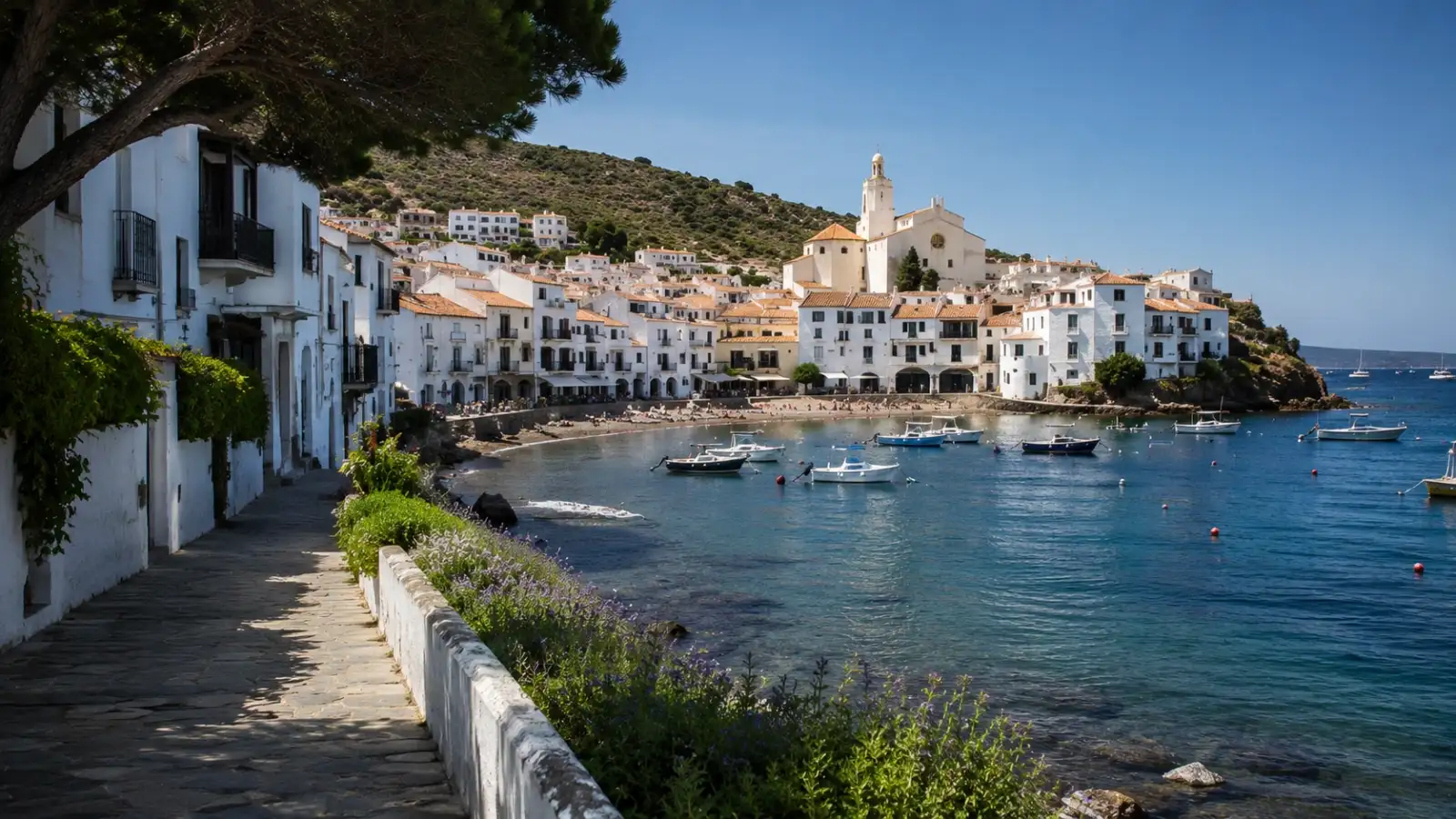
Small coastal towns offer a different kind of travel experience. Instead of spending your entire trip around a resort, you can wander through fishing harbours, visit independent cafés, shop at local markets and watch residents go about their daily routines. These destinations may not have endless attractions, but that is often exactly what makes them special.
If you are looking for quiet coastal towns where you can slow down and experience a more authentic side of travel, these ten destinations are worth considering.
Whitewashed buildings line narrow streets, while small boats sit in the sheltered harbour. Rather than feeling like a large beach resort, the town has a village-like atmosphere.
Spend your time walking along the waterfront, exploring quiet streets and enjoying seafood at a local restaurant. The surrounding coastline also offers opportunities for scenic walks and exploring the nearby Cap de Creus landscape.
Although the town has become increasingly popular, it still offers opportunities to experience everyday southern Italian life away from large resort complexes.
Take an early morning walk through the old town, stop for coffee and watch local life unfold around the small streets and squares. Later, explore the coastline and enjoy fresh regional food.
Its harbour, historic buildings and small lanes are ideal for exploring on foot. You can spend a morning browsing local shops, visiting galleries and enjoying a relaxed lunch before heading towards the coast.
For travellers interested in quiet coastal towns, Collioure offers a good balance of culture and seaside scenery.
The town is well suited to slow travel. Walk along the promenade, watch fishing boats arrive and try local Ligurian dishes.
You can also use Camogli as a base for exploring nearby coastal walking routes. Returning to the town in the evening provides a chance to enjoy the waterfront after the daytime crowds have eased.
The old town is filled with stone buildings, small squares and historic churches. Beyond it, the surrounding mountains create a dramatic backdrop.
Explore early in the day, then venture towards smaller communities around the bay where the pace is generally quieter. Local seafood , mountain views and traditional architecture make this part of Montenegro particularly memorable.
The setting is peaceful and surrounded by the rugged landscape of Catalonia's northern coast. It is best approached as part of a wider visit to the Cadaqués area rather than as a conventional resort destination.
The combination of rocky coastline, simple buildings and clear Mediterranean waters makes the area ideal for travellers who prefer scenery and atmosphere over busy entertainment.
The town's fishing heritage remains an important part of its identity. Visitors can explore the waterfront, browse the market and eat freshly prepared seafood.
It is a good choice for travellers who want to see a more traditional side of Malta while still enjoying the Mediterranean climate and coastal setting.
Because Slovenia has a relatively short coastline, Piran offers something quite different from the huge seaside resorts found elsewhere in Europe. The town is easy to explore on foot, and its waterfront is perfect for an unhurried stroll.
Spend time in the old town, enjoy local seafood and watch the sunset from the coast. Its compact size makes it particularly suitable for a relaxed weekend break.
Although Cefalù is popular with visitors, travelling outside the busiest summer periods can offer a much calmer experience. Stay in the historic centre, visit local food shops and enjoy an evening meal after the day-trippers have left.
The town is particularly appealing because you can combine local travel experiences with history, food and time beside the sea.
The town is surrounded by dramatic landscapes, making it an excellent destination for walking and photography. Seafood is naturally an important part of the local food culture.
Instead of planning every hour of your visit, leave time to explore the harbour, walk along the coast and sit in a café. The slower pace is part of the attraction.
Timing can make a significant difference. Visiting outside the peak summer season usually means fewer visitors and a more relaxed atmosphere. Early mornings and evenings can also be particularly rewarding, even in popular destinations.
These towns are not completely untouched by tourism, and some have become well known in recent years. However, choosing locally owned accommodation, eating at independent restaurants and exploring beyond the main tourist streets can help you connect more closely with the destination.
For travellers seeking quiet coastal holidays , the reward is not simply an empty beach. It is the opportunity to slow down, notice the small details and experience a place as more than a collection of tourist attractions. Sometimes, the most memorable seaside trip is the one where you have nowhere important to be.
Small coastal towns offer a different kind of travel experience. Instead of spending your entire trip around a resort, you can wander through fishing harbours, visit independent cafés, shop at local markets and watch residents go about their daily routines. These destinations may not have endless attractions, but that is often exactly what makes them special.
If you are looking for quiet coastal towns where you can slow down and experience a more authentic side of travel, these ten destinations are worth considering.
1. Cadaqués, Spain
Cadaqués sits on the rugged Costa Brava in north-eastern Spain and has long attracted artists, writers and travellers looking for beautiful Mediterranean scenery.Whitewashed buildings line narrow streets, while small boats sit in the sheltered harbour. Rather than feeling like a large beach resort, the town has a village-like atmosphere.
Spend your time walking along the waterfront, exploring quiet streets and enjoying seafood at a local restaurant. The surrounding coastline also offers opportunities for scenic walks and exploring the nearby Cap de Creus landscape.
2. Polignano a Mare, Italy
Polignano a Mare is perched dramatically above the Adriatic Sea in Puglia. Its white buildings, rocky coastline and narrow old-town streets make it one of Italy's most photogenic coastal destinations.Although the town has become increasingly popular, it still offers opportunities to experience everyday southern Italian life away from large resort complexes.
Take an early morning walk through the old town, stop for coffee and watch local life unfold around the small streets and squares. Later, explore the coastline and enjoy fresh regional food.
3. Collioure, France
Close to the Spanish border, Collioure combines Mediterranean scenery with a rich artistic and cultural history. The town's colourful waterfront is backed by the Pyrenees, creating a landscape that feels distinctly different from larger French resorts.Its harbour, historic buildings and small lanes are ideal for exploring on foot. You can spend a morning browsing local shops, visiting galleries and enjoying a relaxed lunch before heading towards the coast.
For travellers interested in quiet coastal towns, Collioure offers a good balance of culture and seaside scenery.
4. Camogli, Italy
Camogli is a small fishing town on Italy's Ligurian coast, not far from Genoa. Its colourful buildings rise behind a narrow waterfront, creating a postcard-like setting without the scale of larger Italian resort destinations.The town is well suited to slow travel. Walk along the promenade, watch fishing boats arrive and try local Ligurian dishes.
You can also use Camogli as a base for exploring nearby coastal walking routes. Returning to the town in the evening provides a chance to enjoy the waterfront after the daytime crowds have eased.
5. Kotor, Montenegro
Kotor is best known for its spectacular bay and medieval old town. Although it has become a major stop for travellers exploring Montenegro, staying in the wider area can still provide opportunities to experience local life away from the busiest streets.The old town is filled with stone buildings, small squares and historic churches. Beyond it, the surrounding mountains create a dramatic backdrop.
Explore early in the day, then venture towards smaller communities around the bay where the pace is generally quieter. Local seafood , mountain views and traditional architecture make this part of Montenegro particularly memorable.
6. Cadaqués's Neighbouring Portlligat, Spain
Portlligat, near Cadaqués, offers an even quieter coastal experience for travellers who want to escape busy resort areas. The tiny bay is closely associated with the former home of artist Salvador Dalí.The setting is peaceful and surrounded by the rugged landscape of Catalonia's northern coast. It is best approached as part of a wider visit to the Cadaqués area rather than as a conventional resort destination.
The combination of rocky coastline, simple buildings and clear Mediterranean waters makes the area ideal for travellers who prefer scenery and atmosphere over busy entertainment.
7. Marsaxlokk, Malta
Marsaxlokk is a traditional fishing village in south-eastern Malta. Its waterfront is famous for colourful traditional fishing boats, known as luzzu, which create a distinctive scene along the harbour.The town's fishing heritage remains an important part of its identity. Visitors can explore the waterfront, browse the market and eat freshly prepared seafood.
It is a good choice for travellers who want to see a more traditional side of Malta while still enjoying the Mediterranean climate and coastal setting.
8. Piran, Slovenia
Piran is a small coastal town on Slovenia's Adriatic coast, with Venetian-style architecture, narrow lanes and a compact historic centre.Because Slovenia has a relatively short coastline, Piran offers something quite different from the huge seaside resorts found elsewhere in Europe. The town is easy to explore on foot, and its waterfront is perfect for an unhurried stroll.
Spend time in the old town, enjoy local seafood and watch the sunset from the coast. Its compact size makes it particularly suitable for a relaxed weekend break.
9. Cefalù, Sicily
Cefalù combines a historic Sicilian town with a beautiful stretch of Mediterranean coastline. Its old streets lead towards the sea, while the imposing Rocca rises behind the town.Although Cefalù is popular with visitors, travelling outside the busiest summer periods can offer a much calmer experience. Stay in the historic centre, visit local food shops and enjoy an evening meal after the day-trippers have left.
You may also like
- Durga Puja 2026 Holidays: How Many Days Will School, Colleges Get Vacation? Check Dates
- John Galliano's Met retrospective cancelled: What really happened
- Meet Gulabo Sapera: She was buried alive as a baby for being a girl child, later became the Padma Shri-winning queen of Kalbelia dance after learning from the flexibility of snakes, and now runs dance schools for girls across India and Denmark
- 7 Hardy vegetables to plant in September for a bountiful winter harvest: Easy crops that quickly fill gaps in your garden
- Why Did Dharma Take Birth Twice in the Mahabharata?
The town is particularly appealing because you can combine local travel experiences with history, food and time beside the sea.
10. Camaret-sur-Mer, France
Located on France's Brittany peninsula, Camaret-sur-Mer has a very different atmosphere from Mediterranean coastal towns. Its fishing heritage, rugged coastline and traditional harbour give it a distinctly Atlantic character.The town is surrounded by dramatic landscapes, making it an excellent destination for walking and photography. Seafood is naturally an important part of the local food culture.
Instead of planning every hour of your visit, leave time to explore the harbour, walk along the coast and sit in a café. The slower pace is part of the attraction.
Why Small Coastal Towns Are Worth Visiting
The best thing about travelling to a small seaside town is often what you do not find there. There may be fewer huge hotels, fewer organised attractions and fewer packed entertainment areas. In their place, you get local cafés, family-run restaurants, fishing boats, traditional markets and quieter streets.Timing can make a significant difference. Visiting outside the peak summer season usually means fewer visitors and a more relaxed atmosphere. Early mornings and evenings can also be particularly rewarding, even in popular destinations.
These towns are not completely untouched by tourism, and some have become well known in recent years. However, choosing locally owned accommodation, eating at independent restaurants and exploring beyond the main tourist streets can help you connect more closely with the destination.
For travellers seeking quiet coastal holidays , the reward is not simply an empty beach. It is the opportunity to slow down, notice the small details and experience a place as more than a collection of tourist attractions. Sometimes, the most memorable seaside trip is the one where you have nowhere important to be.






Loving Newspoint? Download the app now
