
10 Indian Places That Feel Completely Different in September

India changes dramatically between summer and September.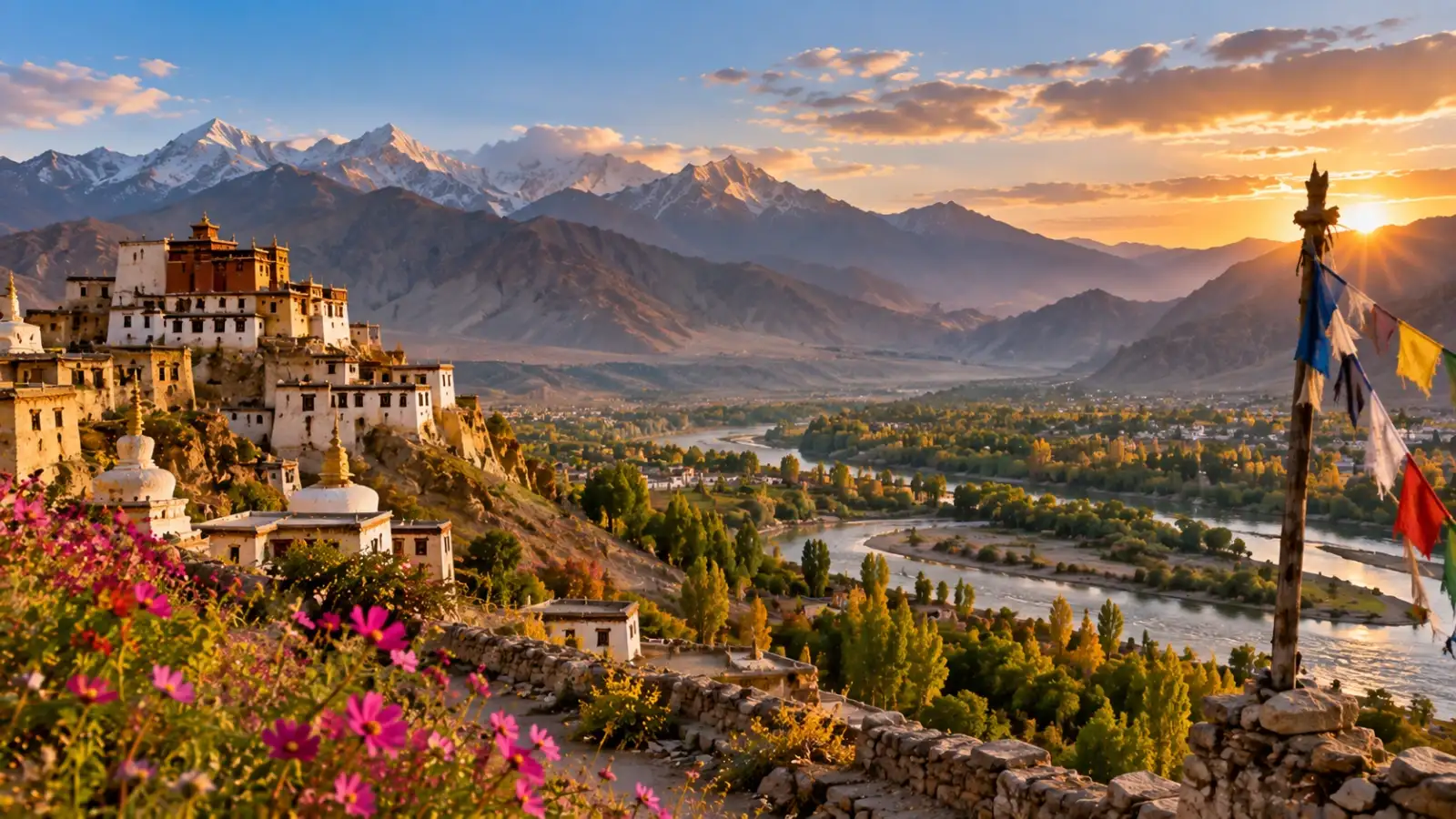
The scorching temperatures of May and June begin to ease, the monsoon leaves landscapes greener, rivers and lakes are replenished, and several mountain destinations become much more comfortable to explore. September is also a transition month, so the experience varies considerably from one region to another.
The southwest monsoon begins withdrawing from parts of north-western India around this time, while other regions can continue receiving rain. That makes destination selection particularly important.
For some places, September simply means pleasant weather. For others, it completely changes the landscape.
Here are destinations that can be more rewarding in September than during peak summer.
June to August brings a significant number of travellers to the region, while September offers cooler conditions, clearer skies and fewer visitors. The high-altitude landscape also starts taking on early autumn colours around villages and river valleys.
September is particularly popular for trekking in areas such as the Markha Valley, where conditions can be favourable for multi-day routes before winter begins closing access to the higher passes.
The contrast with summer is noticeable. The mountains remain dramatic, but the roads and viewpoints can feel less crowded.
For travellers who want Pangong Lake, Nubra Valley, monasteries and high-altitude landscapes without the busiest summer atmosphere, September can be an excellent window.
September changes that experience.
The monsoon leaves the surrounding landscape noticeably greener, while the Tungabhadra River carries more water. The huge boulder formations, ancient temples and remains of the Vijayanagara Empire gain a different visual character against the refreshed landscape.
Condé Nast Traveller India also highlights September as a particularly comfortable period for exploring Hampi, with cooler conditions and greener surroundings after the rains.
Instead of rushing between monuments to escape the afternoon heat, September allows travellers to spend more time walking through the archaeological landscape.
Sunrise and sunset excursions can also become considerably more enjoyable.
The monsoon replenishes the city's lakes and turns parts of the surrounding Aravalli landscape green. Lake Pichola, Fateh Sagar Lake and the city's palace architecture can therefore look particularly striking after the rains.
September also falls before the busier winter tourism period.
The result is a combination of fuller lakes, greener surroundings and relatively lighter crowds compared with the main tourist season. Current September travel guides similarly identify Udaipur as one of Rajasthan's destinations that benefits from the post-monsoon landscape.
For travellers interested in heritage, photography and slow evenings beside the lakes, September can offer a very different version of the city.
The valley remains lush after the monsoon, temperatures become more comfortable and the first signs of autumn begin appearing in some areas.
The famous chinar trees are particularly important to the seasonal character of Kashmir. Their foliage becomes increasingly colourful as September moves towards October, eventually creating the golden and rust-coloured landscapes associated with Kashmiri autumn.
Srinagar, Pahalgam and Gulmarg can therefore offer very different experiences from their peak summer versions.
Instead of simply seeking cooler weather, September visitors can witness the valley moving from summer greenery towards autumn.
The coffee-growing region becomes intensely green during the rainy season, while waterfalls and streams receive a seasonal boost. By September, the weather begins transitioning while the surrounding plantations remain lush.
The result is a combination of misty hills, coffee estates, forest trails and flowing waterfalls.
Recent travel guides continue to highlight Coorg as a September destination because of its post-monsoon greenery and plantation landscapes.
Peak summer can still be pleasant compared with India's hotter plains, but September adds considerably more visual drama.
The valley lies in the rain-shadow region of the Himalayas, so it receives considerably less monsoon rainfall than many other parts of Himachal Pradesh.
By September, travellers can encounter clearer skies, dry landscapes and cooler conditions while the valley remains accessible before winter becomes a major factor.
The surrounding mountains, monasteries and remote villages also feel different once the busy summer travel period starts fading.
For anyone who wants a Himalayan road trip without the heavy monsoon conditions experienced in many lower-altitude parts of Himachal Pradesh, September is worth considering.
The valley's forests, mountain streams and apple orchards create a softer landscape than the stark terrain of Ladakh or Spiti.
September provides a transition between the greener monsoon landscape and the colder months ahead.
The destination is also less commercially developed than major hill stations, which makes it suitable for travellers looking for village scenery and slower travel.
Peak summer can bring warmer daytime conditions and more holiday traffic across Uttarakhand. By September, the atmosphere becomes more relaxed while the landscape retains much of its monsoon freshness.
But the post-monsoon period offers a completely different side of the region.
The usually arid landscape can become temporarily greener, while wetlands begin changing with the arrival of seasonal birdlife. Artisan villages such as Bhujodi, Ajrakhpur and Nirona can also be explored before the major winter tourism season gathers momentum.
This is not the classic white Rann experience associated with winter.
Instead, September is about seeing Kutch during its short transition from monsoon-affected landscape towards the dry season.
That makes it particularly interesting for repeat visitors.
September changes the pace.
The mountains remain green after the rains, temperatures become more comfortable and the summer rush starts to thin. Kullu's wider valley also becomes attractive for sightseeing and outdoor activities.
Himachal Pradesh's tourism information identifies September to November as a useful period for activities in the Kullu region, including sightseeing and trekking.
The valley can therefore work well for travellers who want the classic Himachal mountain experience without visiting during the busiest summer weeks.
Jaipur, Jodhpur, Udaipur and Bikaner can remain intensely hot during the height of summer. As September progresses, temperatures begin easing and the monsoon starts retreating from the north-west.
The region also remains outside the main winter tourism peak.
Recent September travel guidance notes that Rajasthan begins drying out as the month progresses, creating a useful shoulder-season window before the heavier October to winter travel period.
For heritage lovers, this can mean more comfortable exploration of forts, palaces, markets and old neighbourhoods.
Udaipur has an additional advantage because its lakes and surrounding hills benefit from the preceding rains.
It is the combination of seasonal changes.
Ladakh begins moving towards autumn. Kashmir starts approaching its famous foliage season. Hampi's ruins sit against greener surroundings, while Udaipur's lakes benefit from the monsoon.
In destinations such as Coorg and Manali, the landscape remains lush while the harshest summer conditions have passed.
There is also a practical advantage. September is generally a shoulder period in many parts of India, meaning travellers may encounter fewer crowds before the busier October to December season.
However, September should not be treated as a uniformly dry month across the country. The monsoon retreats at different speeds, and current weather reports show that heavy rainfall can still affect several states during the month.
That is why the best September trips are often the ones planned around the region's actual weather rather than simply choosing a destination because it is September.
The scorching temperatures of May and June begin to ease, the monsoon leaves landscapes greener, rivers and lakes are replenished, and several mountain destinations become much more comfortable to explore. September is also a transition month, so the experience varies considerably from one region to another.
The southwest monsoon begins withdrawing from parts of north-western India around this time, while other regions can continue receiving rain. That makes destination selection particularly important.
For some places, September simply means pleasant weather. For others, it completely changes the landscape.
Here are destinations that can be more rewarding in September than during peak summer.
1. Ladakh
Ladakh is one of the clearest examples of a destination that becomes easier to enjoy once the peak summer period passes.June to August brings a significant number of travellers to the region, while September offers cooler conditions, clearer skies and fewer visitors. The high-altitude landscape also starts taking on early autumn colours around villages and river valleys.
September is particularly popular for trekking in areas such as the Markha Valley, where conditions can be favourable for multi-day routes before winter begins closing access to the higher passes.
The contrast with summer is noticeable. The mountains remain dramatic, but the roads and viewpoints can feel less crowded.
For travellers who want Pangong Lake, Nubra Valley, monasteries and high-altitude landscapes without the busiest summer atmosphere, September can be an excellent window.
2. Hampi
Hampi can be extremely hot during the peak summer months, making long walks between its temples and ruins difficult.September changes that experience.
The monsoon leaves the surrounding landscape noticeably greener, while the Tungabhadra River carries more water. The huge boulder formations, ancient temples and remains of the Vijayanagara Empire gain a different visual character against the refreshed landscape.
Condé Nast Traveller India also highlights September as a particularly comfortable period for exploring Hampi, with cooler conditions and greener surroundings after the rains.
Instead of rushing between monuments to escape the afternoon heat, September allows travellers to spend more time walking through the archaeological landscape.
Sunrise and sunset excursions can also become considerably more enjoyable.
3. Udaipur
Udaipur is attractive throughout much of the year, but September adds something that peak summer cannot easily provide.The monsoon replenishes the city's lakes and turns parts of the surrounding Aravalli landscape green. Lake Pichola, Fateh Sagar Lake and the city's palace architecture can therefore look particularly striking after the rains.
September also falls before the busier winter tourism period.
The result is a combination of fuller lakes, greener surroundings and relatively lighter crowds compared with the main tourist season. Current September travel guides similarly identify Udaipur as one of Rajasthan's destinations that benefits from the post-monsoon landscape.
For travellers interested in heritage, photography and slow evenings beside the lakes, September can offer a very different version of the city.
4. Kashmir Valley
Kashmir is beautiful in summer, but September begins the transition towards one of its most distinctive seasons.The valley remains lush after the monsoon, temperatures become more comfortable and the first signs of autumn begin appearing in some areas.
The famous chinar trees are particularly important to the seasonal character of Kashmir. Their foliage becomes increasingly colourful as September moves towards October, eventually creating the golden and rust-coloured landscapes associated with Kashmiri autumn.
Srinagar, Pahalgam and Gulmarg can therefore offer very different experiences from their peak summer versions.
Instead of simply seeking cooler weather, September visitors can witness the valley moving from summer greenery towards autumn.
5. Coorg
Coorg is another destination where the aftermath of the monsoon can be more appealing than the peak summer landscape.The coffee-growing region becomes intensely green during the rainy season, while waterfalls and streams receive a seasonal boost. By September, the weather begins transitioning while the surrounding plantations remain lush.
The result is a combination of misty hills, coffee estates, forest trails and flowing waterfalls.
Recent travel guides continue to highlight Coorg as a September destination because of its post-monsoon greenery and plantation landscapes.
Peak summer can still be pleasant compared with India's hotter plains, but September adds considerably more visual drama.
6. Spiti Valley
Spiti is already dramatically different from most of India, but September can make a high-altitude road trip particularly appealing.The valley lies in the rain-shadow region of the Himalayas, so it receives considerably less monsoon rainfall than many other parts of Himachal Pradesh.
By September, travellers can encounter clearer skies, dry landscapes and cooler conditions while the valley remains accessible before winter becomes a major factor.
The surrounding mountains, monasteries and remote villages also feel different once the busy summer travel period starts fading.
For anyone who wants a Himalayan road trip without the heavy monsoon conditions experienced in many lower-altitude parts of Himachal Pradesh, September is worth considering.
7. Harsil
Harsil is a quieter Himalayan option that becomes particularly interesting as summer begins giving way to autumn.The valley's forests, mountain streams and apple orchards create a softer landscape than the stark terrain of Ladakh or Spiti.
September provides a transition between the greener monsoon landscape and the colder months ahead.
The destination is also less commercially developed than major hill stations, which makes it suitable for travellers looking for village scenery and slower travel.
Peak summer can bring warmer daytime conditions and more holiday traffic across Uttarakhand. By September, the atmosphere becomes more relaxed while the landscape retains much of its monsoon freshness.
8. Kutch
Kutch may seem like an unusual choice for September because the region is better known for its dry landscapes and winter Rann experience.But the post-monsoon period offers a completely different side of the region.
The usually arid landscape can become temporarily greener, while wetlands begin changing with the arrival of seasonal birdlife. Artisan villages such as Bhujodi, Ajrakhpur and Nirona can also be explored before the major winter tourism season gathers momentum.
This is not the classic white Rann experience associated with winter.
Instead, September is about seeing Kutch during its short transition from monsoon-affected landscape towards the dry season.
That makes it particularly interesting for repeat visitors.
9. Manali and Kullu
Manali and Kullu are popular summer destinations, but that popularity can also mean busy roads, crowded markets and packed accommodation during the main holiday period.September changes the pace.
The mountains remain green after the rains, temperatures become more comfortable and the summer rush starts to thin. Kullu's wider valley also becomes attractive for sightseeing and outdoor activities.
Himachal Pradesh's tourism information identifies September to November as a useful period for activities in the Kullu region, including sightseeing and trekking.
The valley can therefore work well for travellers who want the classic Himachal mountain experience without visiting during the busiest summer weeks.
10. Rajasthan's Heritage Cities
Rajasthan's major heritage cities are not usually the first places people associate with September, but the timing can work particularly well towards the latter half of the month.Jaipur, Jodhpur, Udaipur and Bikaner can remain intensely hot during the height of summer. As September progresses, temperatures begin easing and the monsoon starts retreating from the north-west.
The region also remains outside the main winter tourism peak.
Recent September travel guidance notes that Rajasthan begins drying out as the month progresses, creating a useful shoulder-season window before the heavier October to winter travel period.
For heritage lovers, this can mean more comfortable exploration of forts, palaces, markets and old neighbourhoods.
Udaipur has an additional advantage because its lakes and surrounding hills benefit from the preceding rains.
Why September Can Beat Peak Summer
The biggest advantage of September is not simply lower temperatures.You may also like
- Black Coffee Benefits: How to Add It to Your Diet Without Overdoing Caffeine
- Hyderabad to host its first Matcha festival this weekend
- What Is Follicular Atresia and How Does It Affect Fertility?
- This 200-year-old temple in Salem, Tamil Nadu is believed to fulfil wishes in 40 days; know the story and how to reach
- Parenting Tips: Is your child afraid of entering a dark room? These parental mistakes could worsen their fear..
It is the combination of seasonal changes.
Ladakh begins moving towards autumn. Kashmir starts approaching its famous foliage season. Hampi's ruins sit against greener surroundings, while Udaipur's lakes benefit from the monsoon.
In destinations such as Coorg and Manali, the landscape remains lush while the harshest summer conditions have passed.
There is also a practical advantage. September is generally a shoulder period in many parts of India, meaning travellers may encounter fewer crowds before the busier October to December season.
However, September should not be treated as a uniformly dry month across the country. The monsoon retreats at different speeds, and current weather reports show that heavy rainfall can still affect several states during the month.
That is why the best September trips are often the ones planned around the region's actual weather rather than simply choosing a destination because it is September.






Loving Newspoint? Download the app now
