
10 Lesser-Known European Villages That Deserve a Place on Your Travel List

Europe is filled with famous cities and celebrated tourist destinations, but some of its most memorable experiences can be found far from busy capitals and crowded landmarks. Small villages tucked into valleys, mountains and coastal landscapes often offer a slower way to experience local culture.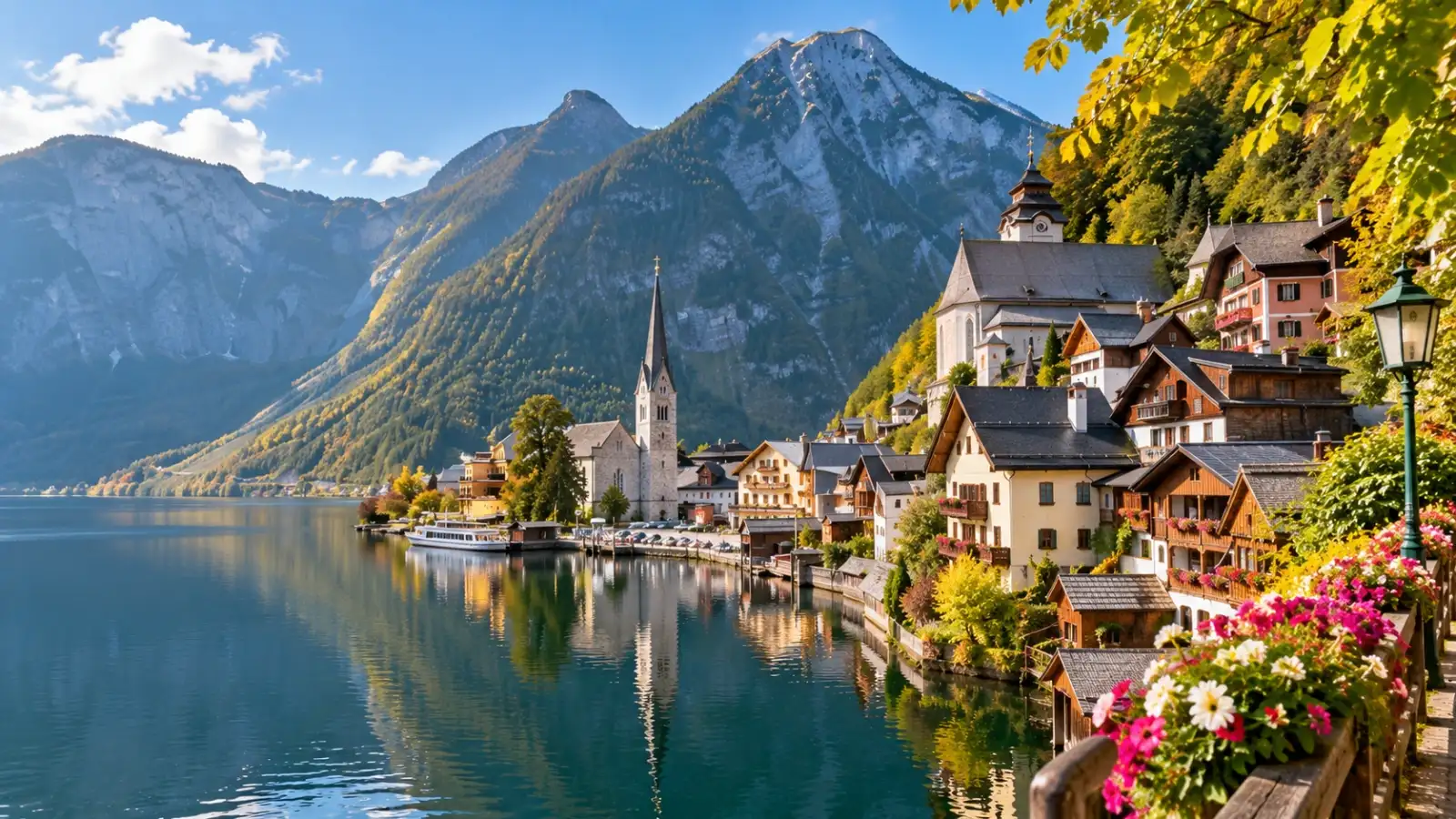
These places may not be completely unknown, and some have become popular among travellers who enjoy exploring beyond conventional tourist routes. Yet compared with Europe's major attractions, they can still feel wonderfully understated. Their stone houses, quiet lanes, local food and surrounding landscapes provide a chance to experience a more peaceful side of the continent.
If you are searching for hidden European villages and quieter travel destinations, these ten places are worth adding to your list.
The village is best explored slowly on foot. Wander through the narrow streets, admire the wooden balconies and take time to enjoy the lake views. Travelling outside the busiest periods can provide a much calmer experience and allow you to appreciate the village beyond its famous photographs.
Walking through the village feels like stepping into another era. Small lanes lead to viewpoints overlooking the surrounding landscape, while historic buildings reveal the area's long past. Its distance from Spain's biggest tourist centres helps it retain a quieter character.
The town's central square and surrounding lanes are particularly attractive in the evening. You can walk along the waterfront, explore small streets and stop at local restaurants before watching the sunset over the Adriatic.
Walking uphill through the old streets reveals stone homes, tiny passages and wide views over the countryside. The unusual architecture makes Monsanto an excellent choice for travellers looking for European villages that feel genuinely different from one another.
Visitors can explore parts of the village on foot or by small boat. The combination of water and greenery makes it particularly attractive during warmer months. Arriving early or travelling outside peak periods can help you experience its quieter side.
Once inside, visitors can explore narrow stone streets, small squares and historic buildings. The village is surrounded by the dramatic landscape of the Valle dei Calanchi, providing striking views from several points.
Its unusual setting makes it one of the most distinctive small villages in Italy.
The village is particularly appealing to travellers who enjoy photography and outdoor scenery. Walking around the waterfront provides impressive views, while nearby trails offer opportunities to experience the surrounding mountains.
The weather can change quickly, so outdoor plans should always take local conditions into account.
A walk through the historic centre can easily fill several hours. Continue towards the town's old walls and viewpoints before exploring the quieter streets around the river. Dinan offers plenty of character without the scale and crowds of France's most famous cities.
The surrounding mountains create a dramatic backdrop that makes even an ordinary walk feel scenic. Travellers can explore the old town at their own pace before heading towards the waterfront or nearby viewpoints.
Although Kotor attracts visitors during the summer season, travelling outside the busiest periods can reveal a quieter side of the destination.
The town is also associated with Štramberk ears, a traditional gingerbread style pastry. Exploring the centre and climbing towards the local tower provides both cultural and scenic experiences.
It is the kind of destination that works particularly well for travellers who enjoy combining food, architecture and small town exploration.
These villages can also encourage slower travel. Rather than rushing between major attractions, visitors can spend time walking, photographing architecture, trying local food and enjoying the surrounding landscape.
However, popularity can change quickly. Social media has introduced many previously overlooked villages to a much wider audience, and some now experience significant visitor numbers during peak seasons. Travelling responsibly is therefore important. Respect local residents, avoid blocking narrow streets and support local businesses where possible.
The best way to experience a quiet European village is often to slow down. Stay overnight if possible, explore beyond the most photographed viewpoint and give yourself time to notice the small details.
Europe still has plenty of places where the journey feels personal and unhurried. You may not have them completely to yourself, but choosing smaller villages over famous city centres can make your next European holiday feel like a very different kind of adventure.
These places may not be completely unknown, and some have become popular among travellers who enjoy exploring beyond conventional tourist routes. Yet compared with Europe's major attractions, they can still feel wonderfully understated. Their stone houses, quiet lanes, local food and surrounding landscapes provide a chance to experience a more peaceful side of the continent.
If you are searching for hidden European villages and quieter travel destinations, these ten places are worth adding to your list.
1. Hallstatt, Austria
Hallstatt is no longer a true secret, but its lakeside setting still makes it one of Europe's most remarkable villages. Traditional homes sit between the mountains and Lake Hallstatt, creating a landscape that looks almost unreal.The village is best explored slowly on foot. Wander through the narrow streets, admire the wooden balconies and take time to enjoy the lake views. Travelling outside the busiest periods can provide a much calmer experience and allow you to appreciate the village beyond its famous photographs.
2. Albarracín, Spain
Albarracín in Aragón offers a completely different atmosphere. Its old town is known for reddish stone and timber buildings, narrow streets and walls that climb the surrounding hillside.Walking through the village feels like stepping into another era. Small lanes lead to viewpoints overlooking the surrounding landscape, while historic buildings reveal the area's long past. Its distance from Spain's biggest tourist centres helps it retain a quieter character.
3. Piran, Slovenia
Piran sits on Slovenia's short Adriatic coastline and combines Mediterranean architecture with a compact historic centre. Its narrow streets and waterfront make it easy to explore without relying heavily on transport.The town's central square and surrounding lanes are particularly attractive in the evening. You can walk along the waterfront, explore small streets and stop at local restaurants before watching the sunset over the Adriatic.
4. Monsanto, Portugal
Monsanto is famous for its unusual relationship with the huge granite boulders surrounding and sometimes forming part of its buildings. Houses appear to fit naturally between massive rocks, giving the village a distinctive appearance.Walking uphill through the old streets reveals stone homes, tiny passages and wide views over the countryside. The unusual architecture makes Monsanto an excellent choice for travellers looking for European villages that feel genuinely different from one another.
5. Giethoorn, Netherlands
Giethoorn is often described as a village shaped by canals rather than conventional roads. Waterways, small bridges and traditional homes create a peaceful landscape that feels very different from the larger Dutch cities.Visitors can explore parts of the village on foot or by small boat. The combination of water and greenery makes it particularly attractive during warmer months. Arriving early or travelling outside peak periods can help you experience its quieter side.
6. Civita di Bagnoregio, Italy
Civita di Bagnoregio sits dramatically on a rocky hilltop in central Italy. The village is connected to the surrounding area by a pedestrian bridge, making the journey there part of the experience.Once inside, visitors can explore narrow stone streets, small squares and historic buildings. The village is surrounded by the dramatic landscape of the Valle dei Calanchi, providing striking views from several points.
Its unusual setting makes it one of the most distinctive small villages in Italy.
7. Reine, Norway
Reine is a small fishing village in Norway's Lofoten Islands, surrounded by steep mountains and waterways. Red wooden cabins and traditional fishing structures sit against a dramatic Arctic landscape.The village is particularly appealing to travellers who enjoy photography and outdoor scenery. Walking around the waterfront provides impressive views, while nearby trails offer opportunities to experience the surrounding mountains.
The weather can change quickly, so outdoor plans should always take local conditions into account.
8. Dinan, France
Dinan in Brittany offers a beautiful combination of medieval architecture and French village charm. Its old streets contain timber framed houses, stone buildings and small shops.A walk through the historic centre can easily fill several hours. Continue towards the town's old walls and viewpoints before exploring the quieter streets around the river. Dinan offers plenty of character without the scale and crowds of France's most famous cities.
9. Kotor Old Town, Montenegro
Kotor is best known for its spectacular bay and historic old town. Inside the old walls, narrow stone streets lead to small squares, churches and traditional buildings.The surrounding mountains create a dramatic backdrop that makes even an ordinary walk feel scenic. Travellers can explore the old town at their own pace before heading towards the waterfront or nearby viewpoints.
Although Kotor attracts visitors during the summer season, travelling outside the busiest periods can reveal a quieter side of the destination.
10. Štramberk, Czech Republic
Štramberk is a small town in the Czech Republic known for its traditional architecture, narrow streets and hillside setting. Its colourful houses and historic buildings create a strong sense of local character.The town is also associated with Štramberk ears, a traditional gingerbread style pastry. Exploring the centre and climbing towards the local tower provides both cultural and scenic experiences.
It is the kind of destination that works particularly well for travellers who enjoy combining food, architecture and small town exploration.
Why Small European Villages Are Worth Exploring
The appeal of lesser-known European villages is not simply that they are quieter. They often allow travellers to experience a destination through details that disappear in larger cities. Local bakeries, family run cafés, traditional homes and small markets become part of the journey.These villages can also encourage slower travel. Rather than rushing between major attractions, visitors can spend time walking, photographing architecture, trying local food and enjoying the surrounding landscape.
However, popularity can change quickly. Social media has introduced many previously overlooked villages to a much wider audience, and some now experience significant visitor numbers during peak seasons. Travelling responsibly is therefore important. Respect local residents, avoid blocking narrow streets and support local businesses where possible.
The best way to experience a quiet European village is often to slow down. Stay overnight if possible, explore beyond the most photographed viewpoint and give yourself time to notice the small details.
Europe still has plenty of places where the journey feels personal and unhurried. You may not have them completely to yourself, but choosing smaller villages over famous city centres can make your next European holiday feel like a very different kind of adventure.
Next Story