
10 Historic Cities Where Old Bridges Are Part of the Journey

Bridges are often treated as practical structures that simply help people cross a river. In many historic cities , however, they are much more than that. An old bridge can connect neighbourhoods, link different parts of a historic centre and provide a fascinating view of the buildings surrounding a river.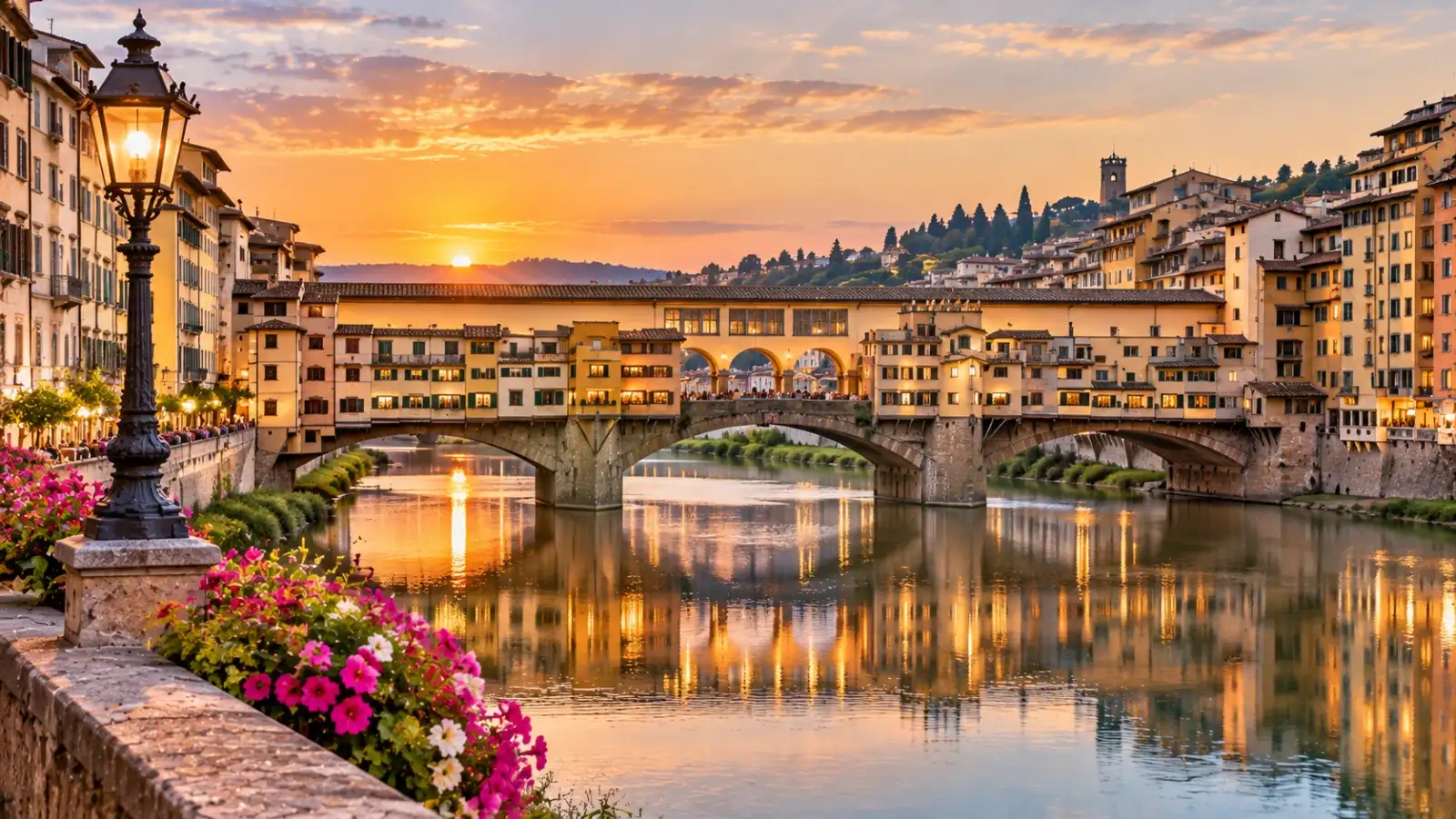
For travellers, these crossings can become part of the experience rather than just a way to reach the next attraction. Walking across a historic bridge can reveal old rooftops, waterfront cafés, churches, markets and narrow streets on both sides. Some bridges have survived for centuries, while others have been rebuilt several times but continue to occupy the same important place in city life.
Its rows of shops make it particularly distinctive. Walking across the bridge gives visitors views along the river while also providing an easy route towards the streets of the Oltrarno district. Once across, you can continue towards historic squares, artisan workshops and quieter streets away from some of the busiest areas around the cathedral.
The bridge is lined with statues and offers views towards Prague Castle and the river. Walking across early in the morning can provide a quieter experience. From either end, visitors can continue exploring narrow streets, historic buildings and atmospheric squares that make Prague particularly rewarding on foot.
The surrounding old town is filled with stone buildings, small shops and cobbled streets. Walking across the bridge and then exploring both sides provides a strong sense of how the river has shaped the city's history and daily life. The surrounding hills also create dramatic views of the bridge and old settlement.
Walking across the bridge provides impressive views of the river and the historic areas on both sides. On the Buda side, travellers can explore Castle Hill and its surrounding streets, while the Pest side offers grand buildings, cafés and lively central neighbourhoods.
Walking across the upper level offers broad views over the river, rooftops and historic districts. Once you cross into Gaia, you can explore its riverside streets and viewpoints before returning to Porto. The bridge itself becomes part of the sightseeing experience rather than simply a transport route.
The bridge is particularly useful for travellers who want to explore both sides of the river in one day. After crossing, the character of the streets changes, with ceramic shops, local restaurants and traditional architecture adding another layer to the experience.
Crossing one of the historic bridges can turn a simple walk into a scenic route. From the river, visitors can also appreciate the different architectural styles found along the waterfront and understand how the waterways have influenced Lyon's development.
The Puente Nuevo is the most famous crossing and provides remarkable views of the gorge and surrounding landscape. Exploring both sides of Ronda on foot allows travellers to see historic streets, traditional buildings and viewpoints that make the town very different from larger Spanish cities.
Walking through Bruges allows visitors to cross these bridges naturally as they move between squares, canals and narrow lanes. The combination of water, old buildings and stone pathways creates a particularly atmospheric setting, especially during quieter hours.
The Pont de les Peixateries Velles is particularly distinctive because of its bright metal structure and association with Gustave Eiffel. From the bridges, visitors can look along the river before continuing into Girona's old quarter, where medieval streets, stone buildings and stairways create a very different atmosphere.
They are also useful landmarks when planning a walking itinerary. Instead of treating the bridge as a destination that takes only a few minutes to see, use it as the centre of a wider route. Explore the neighbourhood on one side, cross the bridge slowly and then spend time discovering what lies on the other side.
For travellers who enjoy history and architecture, this can create a more rewarding experience than moving directly between famous attractions. The bridge becomes a doorway into another part of the city, with its own streets, buildings, food and local character.
The next time you plan a city break, look beyond museums and monuments and check whether an old bridge connects two historic neighbourhoods. You may find that the crossing itself becomes one of the most memorable parts of the journey.
For travellers, these crossings can become part of the experience rather than just a way to reach the next attraction. Walking across a historic bridge can reveal old rooftops, waterfront cafés, churches, markets and narrow streets on both sides. Some bridges have survived for centuries, while others have been rebuilt several times but continue to occupy the same important place in city life.
1. Florence, Italy
Florence is one of the best destinations for travellers who enjoy historic bridges and old neighbourhoods. The Ponte Vecchio crosses the River Arno and connects areas on opposite sides of the historic centre.Its rows of shops make it particularly distinctive. Walking across the bridge gives visitors views along the river while also providing an easy route towards the streets of the Oltrarno district. Once across, you can continue towards historic squares, artisan workshops and quieter streets away from some of the busiest areas around the cathedral.
2. Prague, Czech Republic
Prague's Charles Bridge is one of Europe's best known historic crossings. Stretching across the Vltava River, it connects the historic areas around the Old Town with Malá Strana.The bridge is lined with statues and offers views towards Prague Castle and the river. Walking across early in the morning can provide a quieter experience. From either end, visitors can continue exploring narrow streets, historic buildings and atmospheric squares that make Prague particularly rewarding on foot.
3. Mostar, Bosnia and Herzegovina
Mostar is strongly associated with its famous Stari Most, or Old Bridge. The stone bridge spans the Neretva River and connects the historic neighbourhoods on either side.The surrounding old town is filled with stone buildings, small shops and cobbled streets. Walking across the bridge and then exploring both sides provides a strong sense of how the river has shaped the city's history and daily life. The surrounding hills also create dramatic views of the bridge and old settlement.
4. Budapest, Hungary
Budapest developed around the Danube, and its historic bridges play an important role in connecting Buda and Pest. The Chain Bridge is among the city's most recognisable landmarks.Walking across the bridge provides impressive views of the river and the historic areas on both sides. On the Buda side, travellers can explore Castle Hill and its surrounding streets, while the Pest side offers grand buildings, cafés and lively central neighbourhoods.
5. Porto, Portugal
Porto and Vila Nova de Gaia sit on opposite sides of the Douro River, making bridges an important part of the city's landscape. The Dom Luís I Bridge is one of the most recognisable.Walking across the upper level offers broad views over the river, rooftops and historic districts. Once you cross into Gaia, you can explore its riverside streets and viewpoints before returning to Porto. The bridge itself becomes part of the sightseeing experience rather than simply a transport route.
6. Seville, Spain
Seville offers a mixture of historic neighbourhoods, riverside scenery and bridges across the Guadalquivir. The Triana Bridge provides a direct connection between the city centre and the traditional Triana district.The bridge is particularly useful for travellers who want to explore both sides of the river in one day. After crossing, the character of the streets changes, with ceramic shops, local restaurants and traditional architecture adding another layer to the experience.
7. Lyon, France
Lyon is built around the Rhône and Saône rivers, and its bridges help connect several historic areas. The city's old quarters contain narrow streets, traditional buildings and hidden courtyards that can be explored on foot.Crossing one of the historic bridges can turn a simple walk into a scenic route. From the river, visitors can also appreciate the different architectural styles found along the waterfront and understand how the waterways have influenced Lyon's development.
8. Ronda, Spain
Ronda offers a different type of bridge experience. The town is dramatically divided by the El Tajo gorge, and its bridges connect the historic areas separated by the deep ravine.The Puente Nuevo is the most famous crossing and provides remarkable views of the gorge and surrounding landscape. Exploring both sides of Ronda on foot allows travellers to see historic streets, traditional buildings and viewpoints that make the town very different from larger Spanish cities.
9. Bruges, Belgium
Bruges is known for its canals, medieval streets and stone bridges. Rather than relying on one famous crossing, the city offers numerous smaller historic bridges connecting different parts of its old centre.You may also like
- Quote of the day for children: Cristiano Ronaldo's powerful lesson on why talent means nothing without hard work and dedication, says, 'Talent without hardwork is nothing'
- In 2012, George Clooney co-founded the Satellite Sentinel Project, using satellite imagery to monitor human rights abuses and conflict in Sudan
- Meet Suneel Lodhi: The blind 25-year-old Bundelkhand singer who went from singing in local trains to 'Maine Tere Hi Bharose' in the superhit Hanuman Ansh
- Python found in a car in Dahisar, Mumbai: Common places snakes hide in cars, why they get inside and what you must check before starting the engine
- DIY: Stop throwing away dryer lint; 7 surprising ways to put it to good use at home
Walking through Bruges allows visitors to cross these bridges naturally as they move between squares, canals and narrow lanes. The combination of water, old buildings and stone pathways creates a particularly atmospheric setting, especially during quieter hours.
10. Girona, Spain
Girona's historic centre is separated by the River Onyar, and several bridges connect different parts of the city. These crossings provide excellent views of the colourful buildings lining the river.The Pont de les Peixateries Velles is particularly distinctive because of its bright metal structure and association with Gustave Eiffel. From the bridges, visitors can look along the river before continuing into Girona's old quarter, where medieval streets, stone buildings and stairways create a very different atmosphere.
Why Historic Bridges Make Great Travel Stops
Historic bridges offer more than attractive photographs. They often explain how a city grew around its rivers, valleys or waterways. Crossing one can take you from a busy commercial district into a quiet old quarter or from one historic community into another.They are also useful landmarks when planning a walking itinerary. Instead of treating the bridge as a destination that takes only a few minutes to see, use it as the centre of a wider route. Explore the neighbourhood on one side, cross the bridge slowly and then spend time discovering what lies on the other side.
For travellers who enjoy history and architecture, this can create a more rewarding experience than moving directly between famous attractions. The bridge becomes a doorway into another part of the city, with its own streets, buildings, food and local character.
The next time you plan a city break, look beyond museums and monuments and check whether an old bridge connects two historic neighbourhoods. You may find that the crossing itself becomes one of the most memorable parts of the journey.






Loving Newspoint? Download the app now
