
10 Coconut-Based Foods From Around the World Worth Trying

Coconut is one of those ingredients that can completely change a dish. Its creamy flesh, refreshing water and rich milk are used in everything from curries and rice dishes to snacks and desserts. In many tropical countries, fresh coconut has been part of everyday cooking for generations.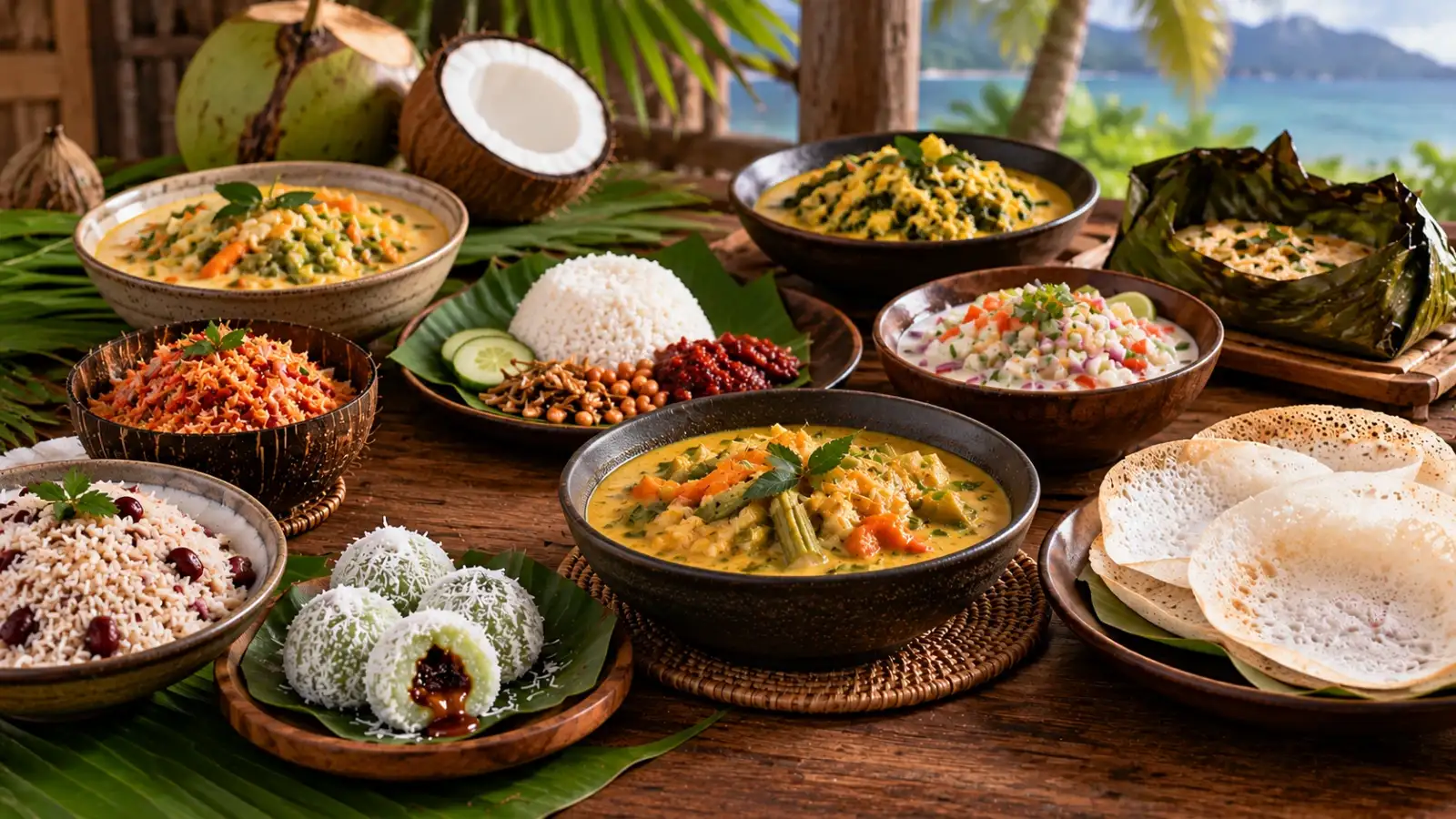
What makes coconut especially interesting is the way different cultures use it. Some grate the fresh flesh into savoury dishes, while others squeeze it to make coconut milk. It can add richness to a curry, sweetness to a snack or a gentle texture to a traditional rice dish. Here are some traditional coconut foods from different parts of the world that show just how versatile this ingredient can be.
Fresh coconut gives avial its distinctive creamy texture without making it overly rich. The dish is often served as part of a traditional Kerala meal and is particularly well known as part of a sadya, a festive vegetarian feast served on a banana leaf.
It is often served alongside rice and curry, where its bright flavour provides a refreshing contrast to richer dishes. Although the recipe is simple, the quality and freshness of the coconut can make a noticeable difference.
The rice is commonly served with sambal, peanuts, fried anchovies, cucumber and egg, although combinations can vary. While coconut milk rather than grated fresh coconut is central to the dish, it is traditionally made from coconut flesh and gives the rice its unmistakable character.
The coconut milk creates a creamy sauce that balances the heat of the chillies. Traditionally, the dish is eaten with steamed rice, making it a hearty meal with a strong combination of richness and spice.
The result is fresh, creamy and slightly tangy. The use of coconut gives the dish a soft richness that works particularly well with seafood. Similar raw fish preparations can be found across the Pacific Islands, although recipes and names differ between communities.
The cooking process allows the coconut to become rich and creamy while the taro leaves soften. Palusami is often prepared for family gatherings and special occasions and is an important part of Samoan food culture.
The coconut gives the stew a smooth and creamy base while the other ingredients provide colour and flavour. It is commonly served with rice and other traditional accompaniments, making it a satisfying coastal dish.
Coconut milk gives the rice a rich flavour and helps create a softer, more fragrant dish. It is commonly served alongside jerk chicken, stewed meats and other Jamaican favourites. Freshly prepared coconut milk can give the dish an especially deep flavour.
When bitten into, the palm sugar filling melts into a sweet syrup. The contrast between the chewy rice, liquid palm sugar and soft fresh coconut makes klepon a particularly enjoyable traditional snack.
In Kerala, appam is often served with vegetable or meat-based curries. In Sri Lanka, it can be enjoyed with a variety of savoury accompaniments. Fresh coconut is an important part of the traditional preparation and gives appam its characteristic aroma.
In many tropical regions, coconuts have historically been readily available, which encouraged cooks to make use of almost every part of the fruit. Coconut water can be enjoyed as a drink, while the flesh can be grated, pressed or dried for different preparations.
This versatility explains why traditional coconut foods appear in so many parts of Asia, the Pacific, Africa, the Caribbean and South America. Even when two dishes use similar ingredients, the cooking techniques and flavours can be completely different.
These traditional foods also show why local ingredients often become central to a region's identity. Coconut is affordable, versatile and packed with flavour, making it easy to understand why generations of cooks have found creative ways to use it.
The next time you open a fresh coconut, think beyond coconut water or a simple dessert. Across the world, this single ingredient has been transformed into complete meals, festive dishes and much-loved snacks.
What makes coconut especially interesting is the way different cultures use it. Some grate the fresh flesh into savoury dishes, while others squeeze it to make coconut milk. It can add richness to a curry, sweetness to a snack or a gentle texture to a traditional rice dish. Here are some traditional coconut foods from different parts of the world that show just how versatile this ingredient can be.
1. Kerala Avial , India
Avial is a traditional South Indian vegetable dish closely associated with Kerala cuisine. It is made with a mixture of vegetables cooked with a paste of freshly grated coconut, green chillies and cumin. Curd is commonly added towards the end, giving the dish a mild tangy flavour.Fresh coconut gives avial its distinctive creamy texture without making it overly rich. The dish is often served as part of a traditional Kerala meal and is particularly well known as part of a sadya, a festive vegetarian feast served on a banana leaf.
2. Coconut Sambol, Sri Lanka
Coconut sambol is a simple but flavourful Sri Lankan preparation made mainly with freshly grated coconut. It is commonly mixed with chilli, onion and lime juice, creating a combination of heat, freshness and acidity.It is often served alongside rice and curry, where its bright flavour provides a refreshing contrast to richer dishes. Although the recipe is simple, the quality and freshness of the coconut can make a noticeable difference.
3. Nasi Lemak, Malaysia
Nasi lemak is one of Malaysia's best-known traditional foods. Its defining feature is rice cooked with coconut milk, which gives the grains a fragrant aroma and rich taste.The rice is commonly served with sambal, peanuts, fried anchovies, cucumber and egg, although combinations can vary. While coconut milk rather than grated fresh coconut is central to the dish, it is traditionally made from coconut flesh and gives the rice its unmistakable character.
4. Bicol Express, Philippines
Bicol Express is a famous Filipino dish known for its combination of pork, chillies and coconut milk. It originated in the Bicol region, which is particularly known for using coconut and spicy ingredients in its cuisine.The coconut milk creates a creamy sauce that balances the heat of the chillies. Traditionally, the dish is eaten with steamed rice, making it a hearty meal with a strong combination of richness and spice.
5. Ota Ika, Tonga
Ota ika is a traditional Polynesian dish made with raw fish, coconut and other fresh ingredients. The fish is usually combined with coconut cream or coconut milk along with lime or lemon juice, tomatoes, onions and other vegetables.The result is fresh, creamy and slightly tangy. The use of coconut gives the dish a soft richness that works particularly well with seafood. Similar raw fish preparations can be found across the Pacific Islands, although recipes and names differ between communities.
6. Samoan Palusami, Samoa
Palusami is a traditional Samoan dish made using taro leaves and coconut cream. Coconut cream is poured into the leaves, which are then wrapped into parcels and cooked until tender.The cooking process allows the coconut to become rich and creamy while the taro leaves soften. Palusami is often prepared for family gatherings and special occasions and is an important part of Samoan food culture.
7. Moqueca, Brazil
Moqueca is a Brazilian seafood stew traditionally associated with the country's coastal regions. Some versions, particularly those from Bahia, use coconut milk along with fish or seafood, tomatoes, onions, peppers and palm oil.The coconut gives the stew a smooth and creamy base while the other ingredients provide colour and flavour. It is commonly served with rice and other traditional accompaniments, making it a satisfying coastal dish.
8. Jamaican Coconut Rice and Peas, Jamaica
Rice and peas is a classic Jamaican dish in which rice is cooked with kidney beans or other peas, coconut milk and aromatic seasonings. Despite its name, the traditional dish does not necessarily contain green peas.Coconut milk gives the rice a rich flavour and helps create a softer, more fragrant dish. It is commonly served alongside jerk chicken, stewed meats and other Jamaican favourites. Freshly prepared coconut milk can give the dish an especially deep flavour.
9. Klepon, Indonesia
Klepon is a popular Indonesian sweet made from glutinous rice flour and filled with palm sugar. The small green rice balls are boiled until they become chewy and are then coated generously with freshly grated coconut.When bitten into, the palm sugar filling melts into a sweet syrup. The contrast between the chewy rice, liquid palm sugar and soft fresh coconut makes klepon a particularly enjoyable traditional snack.
10. Appam, India and Sri Lanka
Appam is a popular fermented rice pancake found in parts of South India and Sri Lanka. Coconut milk is commonly used in the batter, helping create a soft, slightly sweet centre and delicate edges.In Kerala, appam is often served with vegetable or meat-based curries. In Sri Lanka, it can be enjoyed with a variety of savoury accompaniments. Fresh coconut is an important part of the traditional preparation and gives appam its characteristic aroma.
Why Fresh Coconut Is So Important in Traditional Cooking
Fresh coconut is much more than a flavouring ingredient in many cuisines. It can provide fat, sweetness, texture and fragrance all at once. Grated coconut can be sprinkled over food, mixed into spice pastes or used as a coating. Coconut milk can turn a simple collection of ingredients into a rich sauce or soup.In many tropical regions, coconuts have historically been readily available, which encouraged cooks to make use of almost every part of the fruit. Coconut water can be enjoyed as a drink, while the flesh can be grated, pressed or dried for different preparations.
This versatility explains why traditional coconut foods appear in so many parts of Asia, the Pacific, Africa, the Caribbean and South America. Even when two dishes use similar ingredients, the cooking techniques and flavours can be completely different.
A Simple Ingredient With Global Appeal
Fresh coconut has travelled far beyond its tropical origins and become an important ingredient in countless food traditions. From spicy curries and seafood dishes to chewy sweets and fragrant rice, it can play very different roles depending on the cuisine.These traditional foods also show why local ingredients often become central to a region's identity. Coconut is affordable, versatile and packed with flavour, making it easy to understand why generations of cooks have found creative ways to use it.
The next time you open a fresh coconut, think beyond coconut water or a simple dessert. Across the world, this single ingredient has been transformed into complete meals, festive dishes and much-loved snacks.
Next Story