
12 Traditional Craft Markets in India Every Art Lover Should Explore

India's craft traditions are deeply connected to its regions, communities and history. From handwoven textiles and intricate embroidery to pottery, metalwork, wood carving and painted crafts, every part of the country has developed its own artistic vocabulary.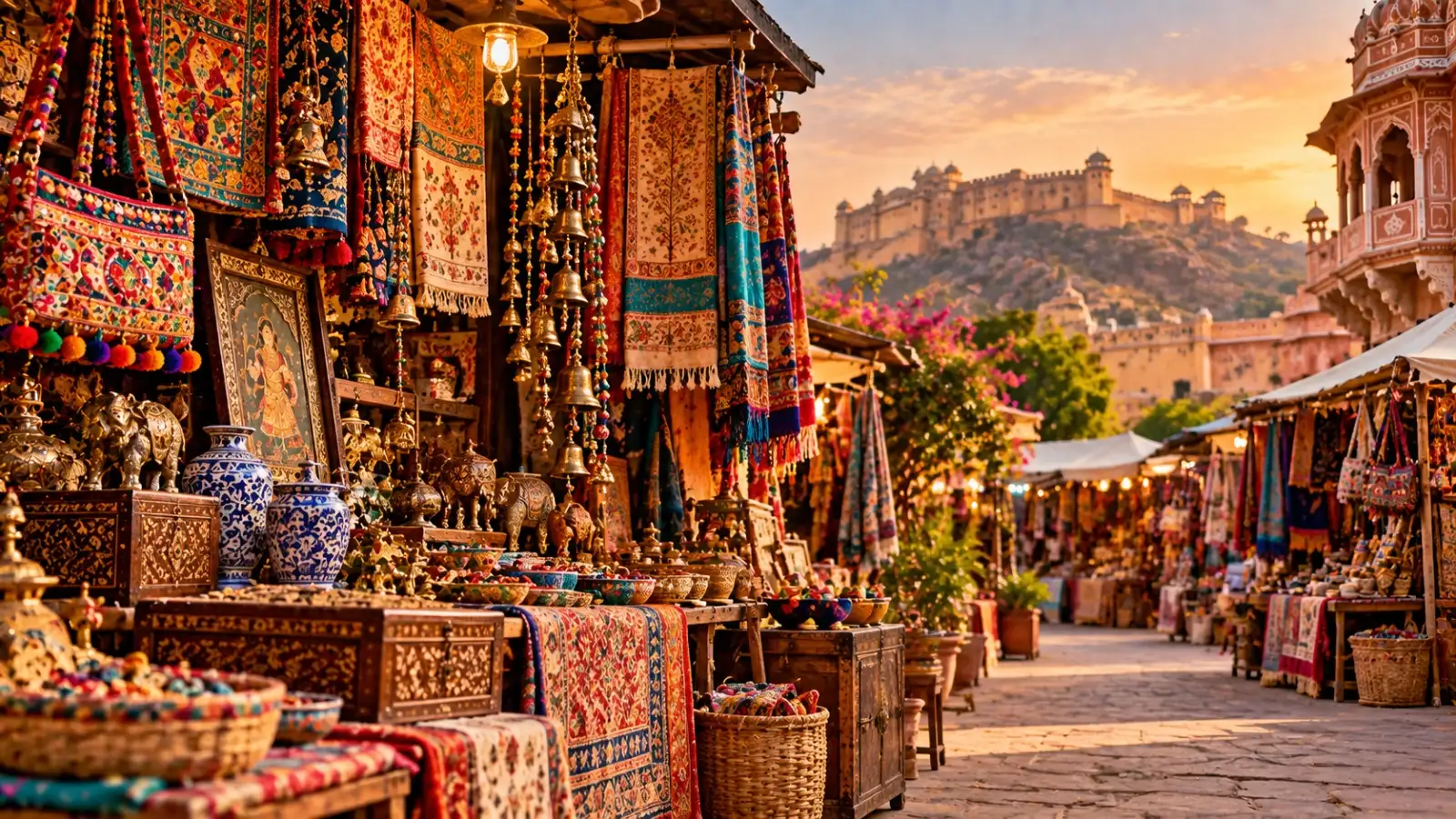
Traditional craft markets offer one of the easiest ways to experience this diversity. Instead of seeing handicrafts only in museums or galleries, travellers can meet artisans, browse workshops and discover locally made products in the places where these traditions have been preserved.
Here are some Indian craft markets and destinations worth exploring for anyone interested in handmade art and traditional craftsmanship.
The market changes with different craft exhibitions and participating artisans, so the experience can vary from one visit to another. Regional food stalls also add another dimension to the visit.
For travellers with limited time, it offers a convenient introduction to India's enormous craft landscape.
The village is particularly known for Pattachitra, a traditional form of painting characterised by detailed compositions and distinctive decorative borders. Artists also work on palm-leaf engravings, wooden objects and other traditional crafts.
Walking through the village provides an opportunity to see the creative process rather than simply buying a finished product.
Its stalls feature products from different regions, including textiles, handicrafts, jewellery, paintings and decorative pieces. Cultural performances and seasonal events can also form part of the experience.
It is a useful destination for visitors who want to combine shopping with an introduction to India's performing and craft traditions.
The best way to experience Kutch's crafts is often to explore artisan villages and cooperatives around the region rather than limiting a visit to one urban market.
Different communities have developed their own embroidery styles, colours and motifs, making the region especially interesting for anyone fascinated by textiles.
Mysore painting is particularly distinctive for its fine lines, rich colours and decorative details. Traditional wooden crafts and silk products are also closely associated with the region.
A craft-focused visit can therefore add another layer to a trip centred around Mysuru's palaces and historic buildings.
Markets around the old city offer everything from colourful fabrics and traditional decorative pieces to handmade jewellery. Travellers can also visit craft workshops outside the main market areas to learn more about how some of these products are made.
The city's long connection with royal patronage has played an important role in the development of several artistic traditions.
Kashmiri craftsmanship is particularly known for intricate patterns and detailed handwork. Visiting established craft outlets or artisan workshops can provide a better understanding of the time and skill involved in producing these pieces.
For travellers, buying directly from reputable artisans or cooperatives can also help support traditional craftsmanship.
The town's weaving centres allow visitors to see artisans working on looms and explore different designs and fabrics. The combination of the Narmada River, historic architecture and textile workshops makes Maheshwar an interesting destination for travellers interested in both heritage and crafts.
The experience is less about browsing a large marketplace and more about discovering a living weaving tradition.
Artisans shape wooden pieces and apply colourful finishes to create toys, decorative objects and household products. Many workshops around the town offer a closer look at the production process.
The craft is particularly interesting because it combines traditional techniques with designs that continue to evolve for modern buyers.
The market atmosphere is closely connected to Pushkar's tourism and religious significance, giving it a different character from dedicated artisan villages.
It is worth taking time to compare products and understand their craftsmanship rather than buying the first item that catches your eye.
A textile from Kutch can tell a very different story from a Maheshwari sari. A Pattachitra painting from Odisha has a completely different visual language from Mysore painting, while Channapatna toys demonstrate how traditional techniques can be adapted to everyday products.
This regional variety is what makes India's craft culture particularly distinctive.
Avoid treating handmade products simply as inexpensive souvenirs. Many traditional crafts require considerable time and specialised skills, and prices can reflect that labour.
It is also worth checking whether natural materials, dyes or antique-looking finishes are genuinely traditional before making a purchase.
From the textile traditions of Kutch and Maheshwar to the paintings of Odisha, wooden crafts of Karnataka and colourful markets of Rajasthan, each destination provides a different perspective on India's artistic heritage.
For travellers interested in culture, visiting a craft market can be one of the simplest ways to move beyond India's famous monuments and experience traditions that are still being practised today.
Traditional craft markets offer one of the easiest ways to experience this diversity. Instead of seeing handicrafts only in museums or galleries, travellers can meet artisans, browse workshops and discover locally made products in the places where these traditions have been preserved.
Here are some Indian craft markets and destinations worth exploring for anyone interested in handmade art and traditional craftsmanship.
Dilli Haat, Delhi
Dilli Haat is one of the most accessible places to explore handicrafts from different parts of India in one location. Artisans and craft sellers from various states showcase textiles, jewellery, paintings, pottery, wooden products and decorative items.The market changes with different craft exhibitions and participating artisans, so the experience can vary from one visit to another. Regional food stalls also add another dimension to the visit.
For travellers with limited time, it offers a convenient introduction to India's enormous craft landscape.
Raghurajpur, Odisha
Raghurajpur is more than a conventional market. It is a heritage crafts village where artists create and sell their work directly from their homes and workshops.The village is particularly known for Pattachitra, a traditional form of painting characterised by detailed compositions and distinctive decorative borders. Artists also work on palm-leaf engravings, wooden objects and other traditional crafts.
Walking through the village provides an opportunity to see the creative process rather than simply buying a finished product.
Shilparamam, Hyderabad
Located in Hyderabad, Shilparamam is a crafts and cultural village designed to showcase India's traditional arts and crafts.Its stalls feature products from different regions, including textiles, handicrafts, jewellery, paintings and decorative pieces. Cultural performances and seasonal events can also form part of the experience.
It is a useful destination for visitors who want to combine shopping with an introduction to India's performing and craft traditions.
Bhuj, Gujarat
Bhuj and the surrounding Kutch region are particularly important for textile and embroidery traditions. The area is known for beautifully detailed embroidered fabrics, block printing, weaving, bandhani and other forms of textile craftsmanship.The best way to experience Kutch's crafts is often to explore artisan villages and cooperatives around the region rather than limiting a visit to one urban market.
Different communities have developed their own embroidery styles, colours and motifs, making the region especially interesting for anyone fascinated by textiles.
Kala Madhyam and Local Craft Spaces in Mysuru
Mysuru has a long association with traditional painting, sandalwood carving, silk and other forms of craftsmanship. Local markets and craft outlets provide opportunities to discover these products alongside the city's better-known heritage attractions.Mysore painting is particularly distinctive for its fine lines, rich colours and decorative details. Traditional wooden crafts and silk products are also closely associated with the region.
A craft-focused visit can therefore add another layer to a trip centred around Mysuru's palaces and historic buildings.
Jaipur, Rajasthan
Jaipur is one of India's major destinations for traditional crafts and is particularly well known for block printing, blue pottery, textiles, jewellery and handicrafts.Markets around the old city offer everything from colourful fabrics and traditional decorative pieces to handmade jewellery. Travellers can also visit craft workshops outside the main market areas to learn more about how some of these products are made.
The city's long connection with royal patronage has played an important role in the development of several artistic traditions.
Srinagar, Jammu and Kashmir
Srinagar offers a distinctive craft experience shaped by the artistic traditions of Kashmir. Visitors can find handwoven carpets, papier-mâché objects, embroidered textiles, shawls and carved wooden products.Kashmiri craftsmanship is particularly known for intricate patterns and detailed handwork. Visiting established craft outlets or artisan workshops can provide a better understanding of the time and skill involved in producing these pieces.
For travellers, buying directly from reputable artisans or cooperatives can also help support traditional craftsmanship.
Maheshwar, Madhya Pradesh
Maheshwar is closely associated with the Maheshwari sari, a handwoven textile tradition that developed around the historic town and its royal heritage.The town's weaving centres allow visitors to see artisans working on looms and explore different designs and fabrics. The combination of the Narmada River, historic architecture and textile workshops makes Maheshwar an interesting destination for travellers interested in both heritage and crafts.
The experience is less about browsing a large marketplace and more about discovering a living weaving tradition.
Channapatna, Karnataka
Channapatna is famous for its brightly coloured wooden toys and lacquerware. The craft has developed into one of Karnataka's most recognisable traditional industries.Artisans shape wooden pieces and apply colourful finishes to create toys, decorative objects and household products. Many workshops around the town offer a closer look at the production process.
The craft is particularly interesting because it combines traditional techniques with designs that continue to evolve for modern buyers.
Pushkar, Rajasthan
Pushkar's colourful markets are popular with visitors looking for traditional Rajasthani products. Textiles, embroidered bags, jewellery, leather goods, decorative items and handicrafts fill many of the shops and stalls around the town.The market atmosphere is closely connected to Pushkar's tourism and religious significance, giving it a different character from dedicated artisan villages.
It is worth taking time to compare products and understand their craftsmanship rather than buying the first item that catches your eye.
What Makes India's Craft Markets Special?
Traditional craft markets are not simply shopping destinations. They provide a window into the skills, materials and cultural influences that have shaped different parts of India.A textile from Kutch can tell a very different story from a Maheshwari sari. A Pattachitra painting from Odisha has a completely different visual language from Mysore painting, while Channapatna toys demonstrate how traditional techniques can be adapted to everyday products.
This regional variety is what makes India's craft culture particularly distinctive.
How to Shop Responsibly
When buying traditional handicrafts, it is worth asking about the material, production process and place of origin. Buying directly from artisans, recognised cooperatives or established craft organisations can help ensure that the money reaches the people involved in producing the work.Avoid treating handmade products simply as inexpensive souvenirs. Many traditional crafts require considerable time and specialised skills, and prices can reflect that labour.
It is also worth checking whether natural materials, dyes or antique-looking finishes are genuinely traditional before making a purchase.
Explore India's Craft Traditions Beyond Souvenirs
India's traditional craft markets offer much more than colourful shopping opportunities. They reveal how communities have preserved skills through generations while adapting their work to changing tastes and modern markets.From the textile traditions of Kutch and Maheshwar to the paintings of Odisha, wooden crafts of Karnataka and colourful markets of Rajasthan, each destination provides a different perspective on India's artistic heritage.
For travellers interested in culture, visiting a craft market can be one of the simplest ways to move beyond India's famous monuments and experience traditions that are still being practised today.
Next Story