
7 Indian Heritage Towns Where History Still Feels Alive

India's history is not found only inside famous monuments and large cities. Some of the country's most interesting stories can be discovered in smaller towns, where old houses, temples, markets, forts and narrow streets still form part of everyday life.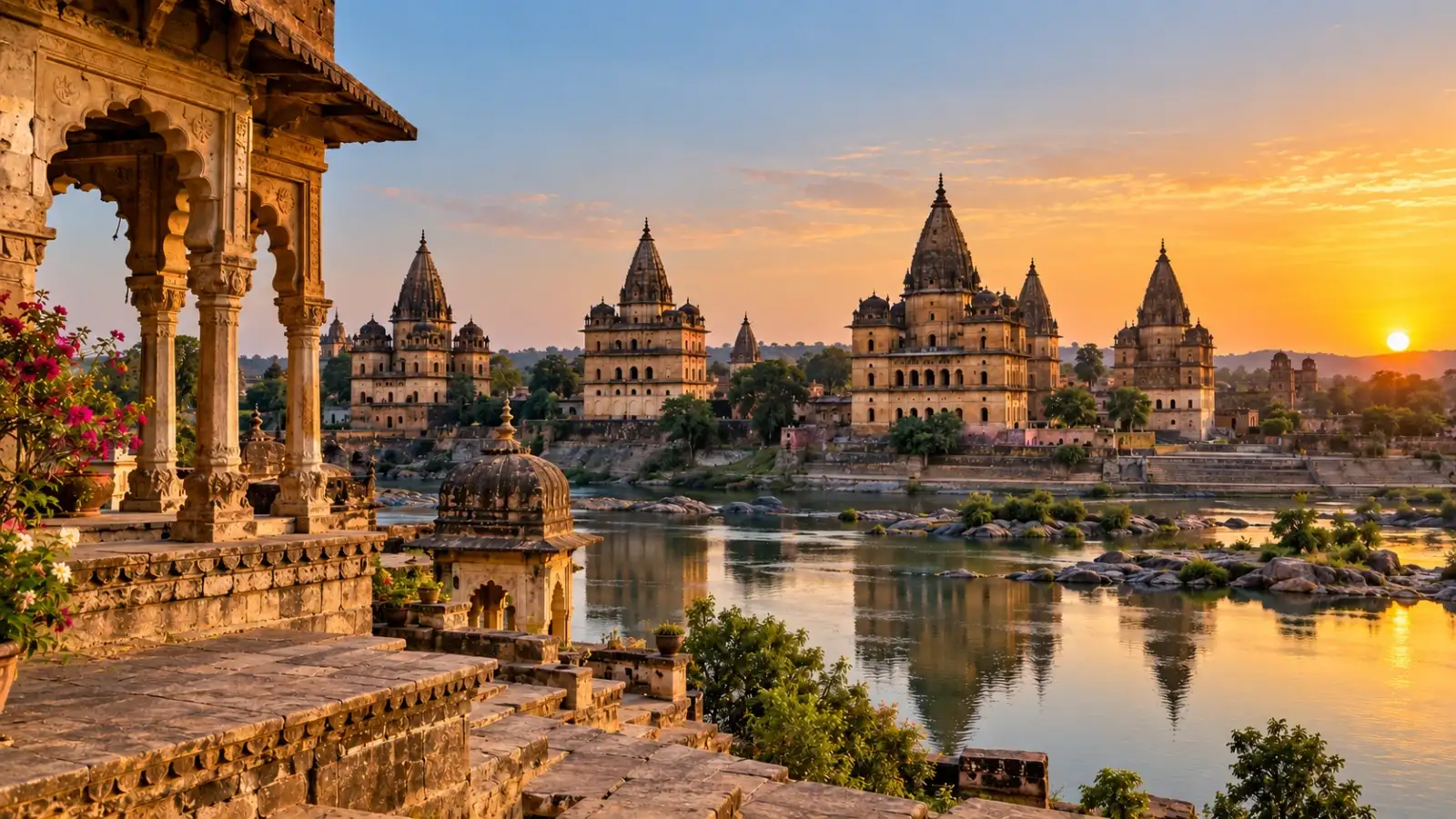
These towns offer a different kind of travel experience. Instead of rushing between major attractions, visitors can spend time walking through old neighbourhoods, trying regional food and noticing architectural details that have survived for generations.
Here are seven heritage towns in India worth exploring.
Its landscape is dominated by impressive monuments, including the Orchha Fort complex, temples and historic cenotaphs. The town's relatively peaceful atmosphere makes it particularly enjoyable to explore on foot.
The old buildings, riverfront and quiet streets create a striking contrast with India's busier tourist destinations.
Visit early in the morning or towards evening when the light brings out the details of the historic architecture.
The town is known for its palace, fort, stepwells, old havelis and distinctive blue painted houses.
Walking through Bundi's older lanes can reveal details that are easy to miss from a car, from carved doorways to colourful local shops.
The town also has a strong connection with traditional miniature painting, adding another layer to its cultural heritage.
The walls and entrances of many historic homes feature elaborate frescoes depicting people, animals, flowers and scenes from everyday life.
Rather than visiting just one monument, take time to walk through the town and look closely at the buildings around you.
Mandawa is especially interesting for travellers who enjoy architecture and photography.
The town's riverside fort, temples and ghats create a beautiful setting, particularly around sunrise and sunset.
Maheshwar is also known for its handwoven Maheshwari sarees. Visitors can explore local weaving traditions and see how the distinctive textiles are produced.
A walk along the river is one of the simplest ways to experience the town's atmosphere.
The town is particularly famous for Rani ki Vav, an extraordinary stepwell recognised as a UNESCO World Heritage Site. But the heritage of Patan extends beyond this celebrated monument.
The town's traditional textile culture is also important, especially the intricate Patola weaving tradition.
A visit allows travellers to combine architecture, history and craftsmanship in one destination.
Large traditional mansions line many older streets, featuring courtyards, carved wooden details, tiled roofs and ornate interiors.
The region is also famous for its food. Chettinad cuisine is known for its generous use of spices and aromatic ingredients.
For travellers interested in architecture and food, the region offers an experience very different from the usual Tamil Nadu tourist route.
The Champaner Pavagadh Archaeological Park contains forts, mosques, temples, stepwells and other structures representing different periods of the region's history.
The site is particularly interesting because the historic landscape extends across a large area rather than being limited to a single monument.
The combination of architecture, surrounding hills and archaeological remains makes it a rewarding destination for travellers interested in India's medieval past.
Smaller towns can offer a closer connection with local life. You can walk through old neighbourhoods, eat regional food, meet artisans and see historic architecture that continues to exist alongside modern homes and businesses.
These places also encourage slower travel. Instead of trying to see everything in a few hours, you can spend a morning exploring a market, an afternoon visiting historic buildings and an evening by a river or old fort.
That slower pace is often what makes heritage towns memorable.
These towns offer a different kind of travel experience. Instead of rushing between major attractions, visitors can spend time walking through old neighbourhoods, trying regional food and noticing architectural details that have survived for generations.
Here are seven heritage towns in India worth exploring.
Orchha, Madhya Pradesh
Set beside the Betwa River, Orchha feels like a town that time forgot.Its landscape is dominated by impressive monuments, including the Orchha Fort complex, temples and historic cenotaphs. The town's relatively peaceful atmosphere makes it particularly enjoyable to explore on foot.
The old buildings, riverfront and quiet streets create a striking contrast with India's busier tourist destinations.
Visit early in the morning or towards evening when the light brings out the details of the historic architecture.
Bundi, Rajasthan
Bundi is often overshadowed by Jaipur, Jodhpur and Udaipur, but its old world character is precisely what makes it special.The town is known for its palace, fort, stepwells, old havelis and distinctive blue painted houses.
Walking through Bundi's older lanes can reveal details that are easy to miss from a car, from carved doorways to colourful local shops.
The town also has a strong connection with traditional miniature painting, adding another layer to its cultural heritage.
Mandawa, Rajasthan
Located in the Shekhawati region, Mandawa is known for its beautifully decorated havelis.The walls and entrances of many historic homes feature elaborate frescoes depicting people, animals, flowers and scenes from everyday life.
Rather than visiting just one monument, take time to walk through the town and look closely at the buildings around you.
Mandawa is especially interesting for travellers who enjoy architecture and photography.
Maheshwar, Madhya Pradesh
Maheshwar sits on the banks of the Narmada River and has a strong connection with the history of the Holkar dynasty.The town's riverside fort, temples and ghats create a beautiful setting, particularly around sunrise and sunset.
Maheshwar is also known for its handwoven Maheshwari sarees. Visitors can explore local weaving traditions and see how the distinctive textiles are produced.
A walk along the river is one of the simplest ways to experience the town's atmosphere.
Patan, Gujarat
Patan has a history stretching back many centuries and was once an important centre of power and trade in Gujarat.The town is particularly famous for Rani ki Vav, an extraordinary stepwell recognised as a UNESCO World Heritage Site. But the heritage of Patan extends beyond this celebrated monument.
The town's traditional textile culture is also important, especially the intricate Patola weaving tradition.
A visit allows travellers to combine architecture, history and craftsmanship in one destination.
Chettinad, Tamil Nadu
Chettinad is not a single town but a region known for its distinctive architecture, cuisine and cultural heritage. Towns such as Karaikudi provide an excellent introduction to this unique landscape.Large traditional mansions line many older streets, featuring courtyards, carved wooden details, tiled roofs and ornate interiors.
The region is also famous for its food. Chettinad cuisine is known for its generous use of spices and aromatic ingredients.
For travellers interested in architecture and food, the region offers an experience very different from the usual Tamil Nadu tourist route.
Champaner, Gujarat
Champaner is one of Gujarat's most fascinating historic destinations.The Champaner Pavagadh Archaeological Park contains forts, mosques, temples, stepwells and other structures representing different periods of the region's history.
The site is particularly interesting because the historic landscape extends across a large area rather than being limited to a single monument.
The combination of architecture, surrounding hills and archaeological remains makes it a rewarding destination for travellers interested in India's medieval past.
Why Heritage Towns Are Worth Visiting
Heritage travel does not always have to mean visiting the country's most famous monuments.Smaller towns can offer a closer connection with local life. You can walk through old neighbourhoods, eat regional food, meet artisans and see historic architecture that continues to exist alongside modern homes and businesses.
These places also encourage slower travel. Instead of trying to see everything in a few hours, you can spend a morning exploring a market, an afternoon visiting historic buildings and an evening by a river or old fort.
That slower pace is often what makes heritage towns memorable.
Next Story