
7 Indian Wetlands That Turn Into Birdwatching Havens

India’s wetlands are some of the most rewarding places for birdwatchers. From large lakes and marshes to shallow seasonal water bodies, these habitats provide food, shelter and breeding grounds for an incredible variety of birds.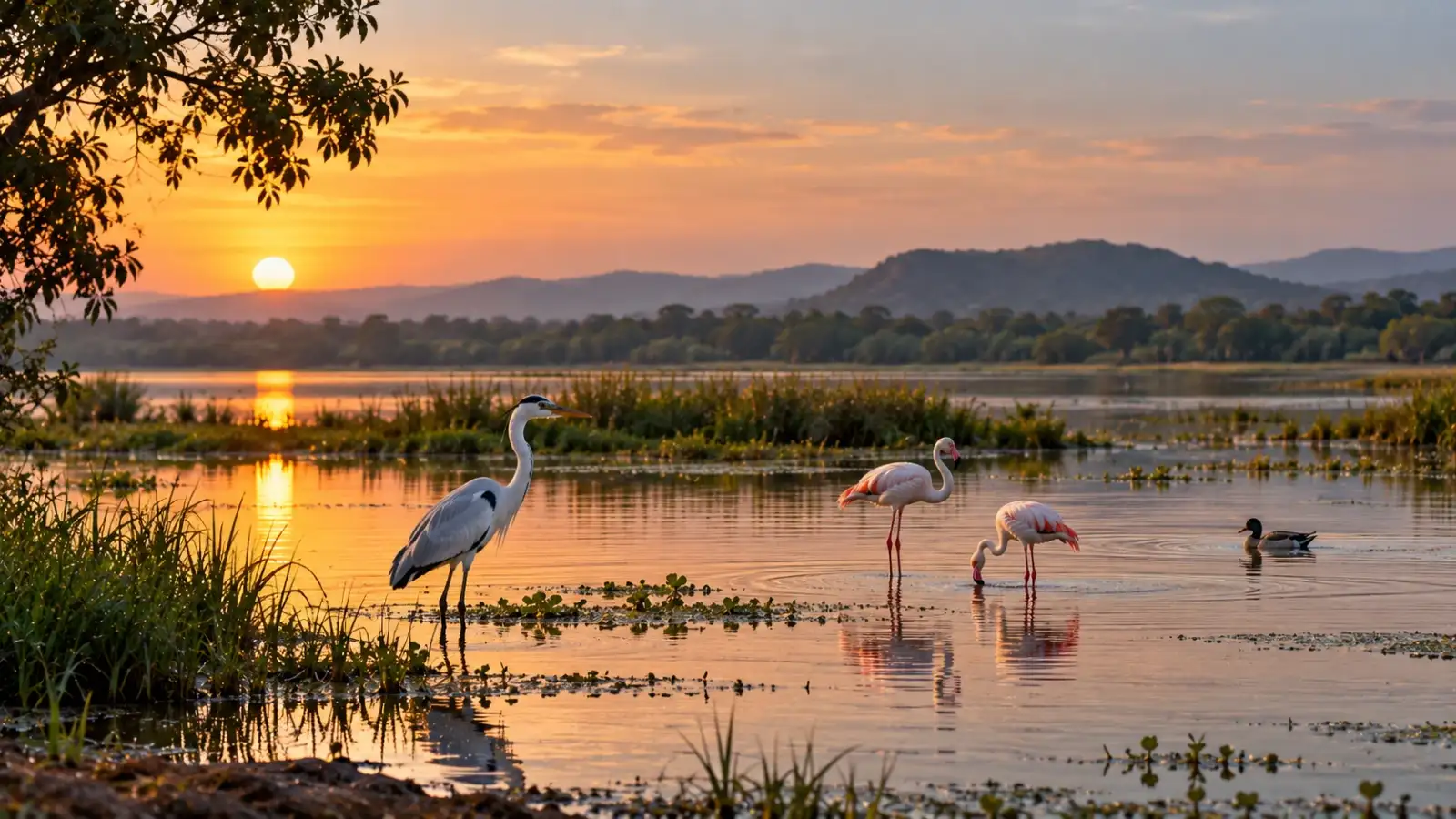
During the cooler months, many wetlands also become temporary homes for migratory birds arriving from colder parts of Asia and beyond. A quiet morning near the water can bring sightings of flamingos, cranes, pelicans, ducks, storks and many smaller waterbirds.
For anyone who enjoys watching birds in their natural surroundings, these wetlands are worth knowing about.
Its network of shallow wetlands, woodland and grassland creates a variety of habitats within a relatively compact area. During the migratory season, the park can become especially lively, with large numbers of waterbirds arriving alongside resident species.
Birdwatchers may spot painted storks, herons, egrets, ducks, kingfishers and several other species.
The best way to experience the park is slowly. Moving quietly and giving yourself time to scan the water and trees can lead to far more sightings than rushing from one area to another.
Its extensive waters and surrounding wetlands attract large numbers of birds during the cooler months. Flamingos, pelicans, herons, egrets, ducks and many waders can be seen around different parts of the lagoon.
A boat ride can offer a particularly interesting perspective, although birdwatchers should choose operators who maintain a respectful distance from wildlife.
Chilika is also known for its wider marine and wetland ecosystem, making it much more than simply a birdwatching destination.
The lake and its surrounding areas attract migratory waterbirds, with flamingos among the most famous visitors.
Large gatherings of birds can create spectacular scenes, particularly when the water is dotted with groups feeding or resting together.
The timing of a visit matters, as bird numbers and sightings vary with the season and local conditions.
It is particularly popular with birdwatchers during winter, when migratory birds arrive in significant numbers.
Depending on the season, visitors may encounter pelicans, flamingos, cranes, storks, ducks and other waterbirds.
Boat trips are commonly used to explore the wetland, allowing visitors to reach areas that may be difficult to access on foot.
An early morning visit can be especially rewarding, when bird activity is high and the water is often calmer.
The lake supports a range of aquatic birds and is also closely connected to the wider ecosystem of Manipur.
Birdwatching here is about more than simply counting species. The distinctive landscape makes the experience particularly memorable, with birds moving across the water and floating vegetation.
Visitors should also remember that Loktak is a living ecosystem supporting local communities, so responsible tourism is important.
Its location makes it particularly interesting for travellers who want to combine a city visit with some birdwatching.
The wetland attracts resident and migratory birds, including ducks, storks, herons and other waterbirds. The surrounding landscape also adds to the experience, particularly during the cooler months.
Early mornings are generally better for birdwatching, when bird activity is higher and there is less disturbance.
Spread across a large area on the eastern side of Kolkata, the wetlands include water bodies, agricultural areas and fish farms. The ecosystem supports numerous bird species while also playing an important role in the city's natural environment.
Birdwatchers can encounter egrets, herons, kingfishers, cormorants and several other species.
What makes this wetland especially interesting is the relationship between nature and human activity. The landscape demonstrates how wetlands can support both wildlife and communities when managed carefully.
However, the ideal period differs from one wetland to another. Before planning a trip, check local conditions, opening arrangements and recent bird sightings.
Early mornings are usually preferable because birds tend to be more active, temperatures are comfortable and there is often less disturbance.
Carry binoculars, comfortable footwear, drinking water and a field guide if you have one. Avoid loud conversations and do not approach birds too closely.
For birdwatchers, they offer a chance to observe species that may be difficult to find elsewhere. For travellers, they provide a quieter alternative to crowded tourist attractions.
Whether you are an experienced birder or someone who simply enjoys seeing birds in the wild, India's wetlands can turn an ordinary morning into a memorable wildlife experience.
During the cooler months, many wetlands also become temporary homes for migratory birds arriving from colder parts of Asia and beyond. A quiet morning near the water can bring sightings of flamingos, cranes, pelicans, ducks, storks and many smaller waterbirds.
For anyone who enjoys watching birds in their natural surroundings, these wetlands are worth knowing about.
Keoladeo National Park , Rajasthan
Formerly known as Bharatpur Bird Sanctuary, Keoladeo is one of India's best known birdwatching destinations.Its network of shallow wetlands, woodland and grassland creates a variety of habitats within a relatively compact area. During the migratory season, the park can become especially lively, with large numbers of waterbirds arriving alongside resident species.
Birdwatchers may spot painted storks, herons, egrets, ducks, kingfishers and several other species.
The best way to experience the park is slowly. Moving quietly and giving yourself time to scan the water and trees can lead to far more sightings than rushing from one area to another.
Chilika Lake , Odisha
Chilika Lake is one of India's most remarkable coastal lagoons and an important winter destination for migratory birds.Its extensive waters and surrounding wetlands attract large numbers of birds during the cooler months. Flamingos, pelicans, herons, egrets, ducks and many waders can be seen around different parts of the lagoon.
A boat ride can offer a particularly interesting perspective, although birdwatchers should choose operators who maintain a respectful distance from wildlife.
Chilika is also known for its wider marine and wetland ecosystem, making it much more than simply a birdwatching destination.
Pulicat Lake, Andhra Pradesh and Tamil Nadu
Straddling Andhra Pradesh and Tamil Nadu, Pulicat Lake is another important wetland along India's eastern coast.The lake and its surrounding areas attract migratory waterbirds, with flamingos among the most famous visitors.
Large gatherings of birds can create spectacular scenes, particularly when the water is dotted with groups feeding or resting together.
The timing of a visit matters, as bird numbers and sightings vary with the season and local conditions.
Nal Sarovar, Gujarat
Located near Ahmedabad, Nal Sarovar is a large shallow wetland surrounded by small islands and marshy areas.It is particularly popular with birdwatchers during winter, when migratory birds arrive in significant numbers.
Depending on the season, visitors may encounter pelicans, flamingos, cranes, storks, ducks and other waterbirds.
Boat trips are commonly used to explore the wetland, allowing visitors to reach areas that may be difficult to access on foot.
An early morning visit can be especially rewarding, when bird activity is high and the water is often calmer.
Loktak Lake, Manipur
Loktak Lake is famous for its unusual floating vegetation known as phumdis, which gives the landscape an appearance unlike most other wetlands in India.The lake supports a range of aquatic birds and is also closely connected to the wider ecosystem of Manipur.
Birdwatching here is about more than simply counting species. The distinctive landscape makes the experience particularly memorable, with birds moving across the water and floating vegetation.
Visitors should also remember that Loktak is a living ecosystem supporting local communities, so responsible tourism is important.
Deepor Beel, Assam
Located near Guwahati, Deepor Beel is an important freshwater wetland and a significant habitat for birds in Assam.Its location makes it particularly interesting for travellers who want to combine a city visit with some birdwatching.
The wetland attracts resident and migratory birds, including ducks, storks, herons and other waterbirds. The surrounding landscape also adds to the experience, particularly during the cooler months.
Early mornings are generally better for birdwatching, when bird activity is higher and there is less disturbance.
East Kolkata Wetlands, West Bengal
The East Kolkata Wetlands are unlike a typical wildlife sanctuary.Spread across a large area on the eastern side of Kolkata, the wetlands include water bodies, agricultural areas and fish farms. The ecosystem supports numerous bird species while also playing an important role in the city's natural environment.
Birdwatchers can encounter egrets, herons, kingfishers, cormorants and several other species.
What makes this wetland especially interesting is the relationship between nature and human activity. The landscape demonstrates how wetlands can support both wildlife and communities when managed carefully.
Best Time to Explore Indian Wetlands
Winter is generally the most exciting season for birdwatching at many Indian wetlands because migratory birds arrive during the cooler months.However, the ideal period differs from one wetland to another. Before planning a trip, check local conditions, opening arrangements and recent bird sightings.
Early mornings are usually preferable because birds tend to be more active, temperatures are comfortable and there is often less disturbance.
Carry binoculars, comfortable footwear, drinking water and a field guide if you have one. Avoid loud conversations and do not approach birds too closely.
Why These Wetlands Matter
Wetlands are far more than scenic places where birds gather. They provide feeding grounds, breeding areas and shelter for wildlife while also helping regulate water and support surrounding ecosystems.For birdwatchers, they offer a chance to observe species that may be difficult to find elsewhere. For travellers, they provide a quieter alternative to crowded tourist attractions.
Whether you are an experienced birder or someone who simply enjoys seeing birds in the wild, India's wetlands can turn an ordinary morning into a memorable wildlife experience.
Next Story