
8 Destinations Where You Can Explore Ancient Water Systems

Water is essential to every civilisation, but getting a reliable supply of it was once a major engineering challenge. Long before modern pipes, pumps and treatment plants, people developed clever ways to collect, transport and store water. They built underground channels, enormous reservoirs, stone aqueducts and carefully designed irrigation networks.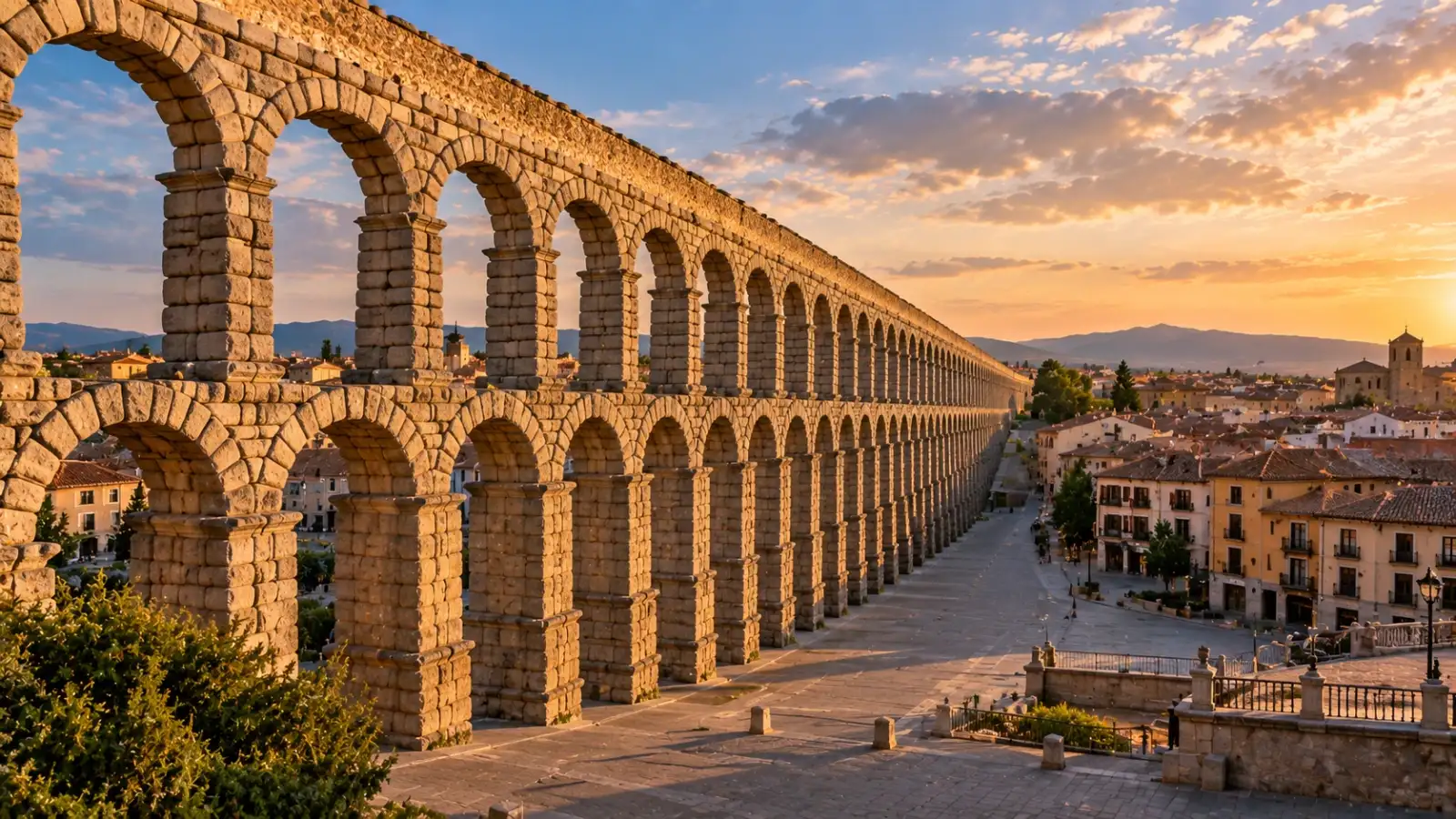
Many of these ancient water systems have survived for hundreds or even thousands of years. Some still carry water, while others remain as remarkable archaeological sites. Exploring them can reveal how earlier societies adapted to dry climates, growing cities and changing landscapes.
For travellers interested in history, architecture and engineering, these destinations offer a fascinating alternative to conventional landmarks.
Several remains can still be seen around Rome and the surrounding countryside. The Aqua Claudia and Aqua Anio Novus are among the famous aqueducts associated with the ancient system.
Walking through the archaeological areas gives visitors a sense of the scale of Roman engineering. The surviving arches are particularly impressive because they were built without the technology available to modern engineers.
The aqueduct was designed to transport water towards the settlement from a source outside the city. Its tall structure demonstrates how Roman engineers used carefully calculated gradients and strong masonry to move water over difficult terrain.
Visitors can see the aqueduct from different parts of Segovia and combine it with a walk through the city's historic centre.
These systems helped support a thriving settlement in an otherwise challenging environment. Channels were carved into rock faces and water was carefully directed towards storage areas.
Exploring Petra with its water engineering in mind reveals another side of the ancient city. The spectacular façades may attract most visitors, but the ability to manage scarce water was essential to Petra's success.
Inside, rows of columns support a vast vaulted ceiling, creating an atmospheric space beneath the streets. The scale of the cistern demonstrates the importance of reliable water storage in a major historic city.
The Valens Aqueduct is another surviving reminder of Istanbul's ancient water infrastructure. Together, these sites show how the city developed sophisticated systems to bring and store water.
Qanats use gently sloping tunnels to move groundwater from higher areas towards settlements and agricultural land. Vertical shafts along the route provided access for construction and maintenance.
The system is a remarkable example of adapting technology to the local environment. Yazd's traditional architecture, including its windcatchers and mud-brick buildings, makes the city an especially interesting destination for understanding life in a desert climate.
The gardens demonstrate that water management was not only about supplying drinking water. It could also be used to create attractive public and royal spaces.
Some of the hydraulic features are still visible today. Seeing them alongside the gardens and massive rock provides a fascinating insight into the planning skills of the people who developed the ancient site.
The Great Cenote at the site is one of the best-known examples of the importance of these natural water sources. Other areas also used reservoirs known as chultuns to collect rainwater.
Understanding this water system helps explain how large Maya settlements could develop in the Yucatán Peninsula. Water was not simply a resource but a central part of settlement planning and survival.
The Pushkarani, or stepped temple tanks, are among the most visually striking features. These carefully designed structures were used for religious and practical purposes.
Hampi's water systems are particularly interesting because they were integrated into the city's wider architecture. Temples, markets, roads and reservoirs formed part of a large urban landscape designed around the needs of its population.
What makes these systems especially impressive is the way they were adapted to local conditions. Roman engineers used aqueducts to transport water across long distances, while communities in Iran developed underground qanats to reach groundwater. In dry regions, cisterns and reservoirs helped capture precious rainfall.
These structures also tell us about the growth of cities. Reliable water supplies allowed populations to expand, supported agriculture and made large settlements possible.
From Roman aqueducts and Persian qanats to Maya reservoirs and Indian temple tanks, these destinations offer a different perspective on ancient civilisation. For travellers who enjoy history, architecture and engineering, following the path of water can lead to some of the most fascinating discoveries around the world.
Disclaimer: Travel information, opening hours, entry fees, access arrangements and local conditions can change. Please cross-check all details before visiting. NewsPoint will not be responsible for anything arising from the information provided in this article.
Many of these ancient water systems have survived for hundreds or even thousands of years. Some still carry water, while others remain as remarkable archaeological sites. Exploring them can reveal how earlier societies adapted to dry climates, growing cities and changing landscapes.
For travellers interested in history, architecture and engineering, these destinations offer a fascinating alternative to conventional landmarks.
1. Rome, Italy
Ancient Rome developed one of the most impressive water supply networks of the ancient world. Roman aqueducts carried fresh water from distant springs and rivers into cities, where it supplied fountains, baths, homes and other public facilities.Several remains can still be seen around Rome and the surrounding countryside. The Aqua Claudia and Aqua Anio Novus are among the famous aqueducts associated with the ancient system.
Walking through the archaeological areas gives visitors a sense of the scale of Roman engineering. The surviving arches are particularly impressive because they were built without the technology available to modern engineers.
2. Segovia, Spain
The Roman Aqueduct of Segovia is one of Spain's most spectacular examples of ancient water engineering. Its enormous stone arches dominate part of the historic city and have become one of Segovia's best-known landmarks.The aqueduct was designed to transport water towards the settlement from a source outside the city. Its tall structure demonstrates how Roman engineers used carefully calculated gradients and strong masonry to move water over difficult terrain.
Visitors can see the aqueduct from different parts of Segovia and combine it with a walk through the city's historic centre.
3. Petra, Jordan
Petra is famous for its rock-cut architecture, but its ancient water system is equally remarkable. In a region with limited rainfall, the Nabataeans developed channels, cisterns, dams and reservoirs to collect and control water.These systems helped support a thriving settlement in an otherwise challenging environment. Channels were carved into rock faces and water was carefully directed towards storage areas.
Exploring Petra with its water engineering in mind reveals another side of the ancient city. The spectacular façades may attract most visitors, but the ability to manage scarce water was essential to Petra's success.
4. Istanbul, Türkiye
Istanbul is home to several remarkable Byzantine water structures, including the Basilica Cistern. Built during the Byzantine period, the enormous underground reservoir was designed to store water for the city.Inside, rows of columns support a vast vaulted ceiling, creating an atmospheric space beneath the streets. The scale of the cistern demonstrates the importance of reliable water storage in a major historic city.
The Valens Aqueduct is another surviving reminder of Istanbul's ancient water infrastructure. Together, these sites show how the city developed sophisticated systems to bring and store water.
5. Yazd, Iran
Yazd is particularly famous for its qanats, an ancient method of transporting groundwater through underground channels. The system allowed communities to access water in one of Iran's dry regions.Qanats use gently sloping tunnels to move groundwater from higher areas towards settlements and agricultural land. Vertical shafts along the route provided access for construction and maintenance.
The system is a remarkable example of adapting technology to the local environment. Yazd's traditional architecture, including its windcatchers and mud-brick buildings, makes the city an especially interesting destination for understanding life in a desert climate.
6. Sigiriya, Sri Lanka
Sigiriya is best known for its dramatic rock fortress, but its surrounding gardens contain an impressive ancient water management system. During the ancient period, carefully planned ponds, channels and fountains were incorporated into the landscape.The gardens demonstrate that water management was not only about supplying drinking water. It could also be used to create attractive public and royal spaces.
Some of the hydraulic features are still visible today. Seeing them alongside the gardens and massive rock provides a fascinating insight into the planning skills of the people who developed the ancient site.
7. Chichén Itzá, Mexico
The ancient Maya developed sophisticated ways of collecting and storing water, particularly in areas where natural rivers and lakes were limited. At Chichén Itzá, natural sinkholes known as cenotes played an important role in supplying water.The Great Cenote at the site is one of the best-known examples of the importance of these natural water sources. Other areas also used reservoirs known as chultuns to collect rainwater.
Understanding this water system helps explain how large Maya settlements could develop in the Yucatán Peninsula. Water was not simply a resource but a central part of settlement planning and survival.
You may also like
- Gemmaxxing: Everyday objects made fun
- Eat One Pomegranate Every Day: Ayurvedic Expert Reveals 6 Amazing Health Benefits
- Surprising Link Between Gum Disease and Alzheimer's: New Scientific Research Reveals How Poor Oral Health
- Medical Miracle: Genetically Modified Pig Kidney Keeps Patient Dialysis-Free for 271 Days
- 9-5 fitcheck: Make your work fits wearable
8. Hampi, India
Hampi in Karnataka contains numerous remains of historic water management systems developed during the Vijayanagara period. Tanks, channels, wells and other structures were used to manage water across the large settlement.The Pushkarani, or stepped temple tanks, are among the most visually striking features. These carefully designed structures were used for religious and practical purposes.
Hampi's water systems are particularly interesting because they were integrated into the city's wider architecture. Temples, markets, roads and reservoirs formed part of a large urban landscape designed around the needs of its population.
Why Ancient Water Systems Matter
Ancient water systems show that engineering is not a modern invention. Civilisations thousands of years ago understood that water needed to be collected, moved, stored and protected.What makes these systems especially impressive is the way they were adapted to local conditions. Roman engineers used aqueducts to transport water across long distances, while communities in Iran developed underground qanats to reach groundwater. In dry regions, cisterns and reservoirs helped capture precious rainfall.
These structures also tell us about the growth of cities. Reliable water supplies allowed populations to expand, supported agriculture and made large settlements possible.
A Different Way to Explore History
Ancient water systems may not always receive the same attention as palaces, temples or monuments, but they can be just as fascinating. They reveal the practical challenges that shaped everyday life and show how communities solved problems with the materials and knowledge available to them.From Roman aqueducts and Persian qanats to Maya reservoirs and Indian temple tanks, these destinations offer a different perspective on ancient civilisation. For travellers who enjoy history, architecture and engineering, following the path of water can lead to some of the most fascinating discoveries around the world.
Disclaimer: Travel information, opening hours, entry fees, access arrangements and local conditions can change. Please cross-check all details before visiting. NewsPoint will not be responsible for anything arising from the information provided in this article.






Loving Newspoint? Download the app now
