
8 Traditional Fermented Foods From Around the World You Can Make at Home

Fermentation is one of the oldest ways of preparing and preserving food. Long before modern refrigeration, people discovered that natural fermentation could change the flavour, texture and keeping qualities of everyday ingredients. Today, fermented foods are enjoying renewed interest, not only because of their traditional roots but also because of their distinctive flavours.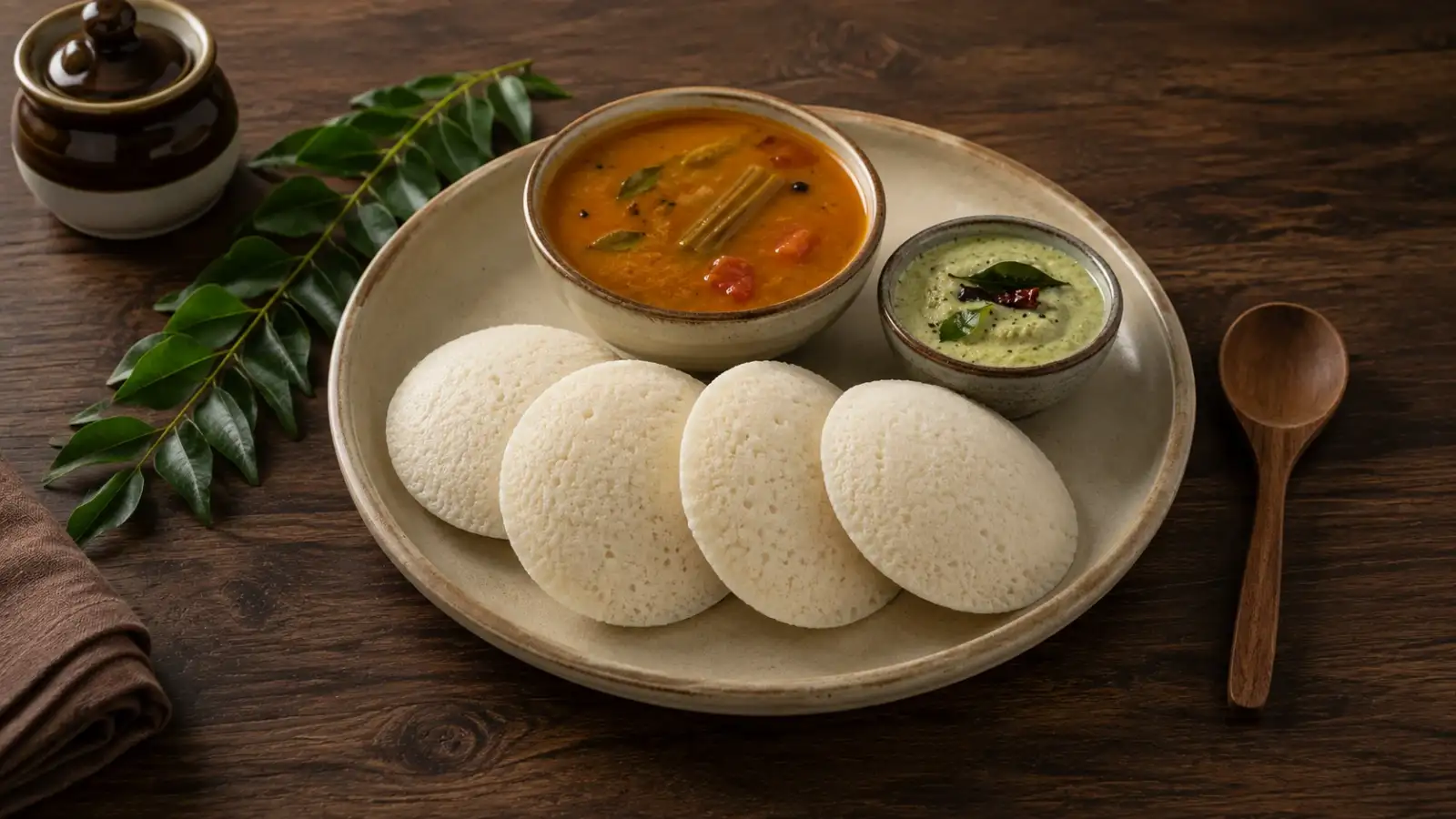
What makes fermentation particularly interesting is that the same basic idea can produce completely different foods around the world. Cabbage becomes tangy sauerkraut in Europe, soybeans are transformed into miso in Japan, while batter made from grains and pulses becomes soft and airy in South India.
You do not have to be an expert cook to explore these traditions. Some recipes can be made with simple ingredients and a little patience. Here are eight traditional fermented foods you can try at home.
Making kimchi at home can be surprisingly straightforward. The cabbage is salted first, then mixed with the seasoning paste and packed into a clean container. Fermentation develops the familiar sour, spicy and savoury flavour over time.
There are many varieties of kimchi, so you can experiment with different vegetables once you become comfortable with the basic method.
The process requires few ingredients, but cleanliness and the correct salt ratio are important. The cabbage needs to remain submerged in its own brine during fermentation.
Once ready, sauerkraut can be served alongside sausages, roasted vegetables or potatoes. You can also add a small amount to sandwiches for a sharp, crunchy contrast.
Miso is commonly used in soups, sauces, marinades and dressings. Its deep savoury taste means that even a small spoonful can add plenty of flavour to a dish.
Making traditional miso from scratch requires more specialist ingredients and patience than some of the other foods on this list. For a simpler introduction, buy a good-quality miso paste and experiment with it in everyday cooking.
At home, rice and urad dal are traditionally soaked separately before being ground and combined. The mixture is then left in a warm place to ferment before being steamed in moulds.
Idlis are usually served with sambar and chutney. They make a satisfying breakfast or light meal and offer a delicious introduction to traditional fermented foods.
The batter is fermented before cooking, which gives injera its distinctive taste and texture. It is then cooked into thin, large flatbreads with a porous surface.
Injera is more than just bread. It is often used as both a base for food and a way of scooping up stews, vegetables and other dishes. Making authentic injera at home can require practice, but the result is worth trying if you enjoy exploring world food.
Because the traditional process involves careful fermentation and food safety considerations, making it entirely from scratch is better suited to experienced fermenters. However, commercially prepared fermented tofu can be used at home in small quantities.
It is often added to sauces, marinades and cooked vegetables where its concentrated savoury flavour can make a noticeable difference.
The drink can have a pleasantly sour flavour and has traditionally been enjoyed in warm climates. It demonstrates that fermentation is not limited to vegetables and dairy products.
Recreating traditional pozol at home can take some preparation, particularly if you want to follow older methods closely. However, learning about the drink offers an interesting look at the many ways corn has been used in Mexican food traditions.
When needed, the dried tarhana is mixed with water and cooked into a thick, warming soup. Its tangy flavour makes it particularly comforting during cooler weather.
Because traditional tarhana requires a fermentation and drying process, making it at home takes more time than preparing an ordinary soup. However, ready-made tarhana can also be purchased and used to experience the traditional flavour without making the mixture from scratch.
They also tell fascinating stories about local food traditions. Fermentation developed independently in many parts of the world because it offered practical ways to preserve ingredients and make them more enjoyable to eat.
If you want to start making fermented food at home, begin with a relatively simple recipe such as sauerkraut or a basic vegetable ferment. Use clean equipment, follow a tested recipe and pay attention to salt levels, temperature and storage instructions. Fermentation is a natural process, but safe preparation is essential.
From spicy kimchi and tangy sauerkraut to soft idlis and sourdough-like injera, these traditional foods show just how creative people have been with fermentation. They are a reminder that some of the most interesting flavours in the kitchen can come from giving simple ingredients a little time.
What makes fermentation particularly interesting is that the same basic idea can produce completely different foods around the world. Cabbage becomes tangy sauerkraut in Europe, soybeans are transformed into miso in Japan, while batter made from grains and pulses becomes soft and airy in South India.
You do not have to be an expert cook to explore these traditions. Some recipes can be made with simple ingredients and a little patience. Here are eight traditional fermented foods you can try at home.
1. Korean Kimchi: Spicy Fermented Cabbage
Kimchi is one of the best-known fermented foods in the world. This Korean staple is traditionally made with vegetables such as napa cabbage and Korean radish, which are seasoned with ingredients including chilli, garlic, ginger and salt before being allowed to ferment.Making kimchi at home can be surprisingly straightforward. The cabbage is salted first, then mixed with the seasoning paste and packed into a clean container. Fermentation develops the familiar sour, spicy and savoury flavour over time.
There are many varieties of kimchi, so you can experiment with different vegetables once you become comfortable with the basic method.
2. German Sauerkraut: Tangy Fermented Cabbage
Sauerkraut shows how fermentation can transform a very simple ingredient. Finely sliced cabbage is mixed with salt and left to ferment, allowing naturally occurring lactic acid bacteria to create its characteristic sour flavour.The process requires few ingredients, but cleanliness and the correct salt ratio are important. The cabbage needs to remain submerged in its own brine during fermentation.
Once ready, sauerkraut can be served alongside sausages, roasted vegetables or potatoes. You can also add a small amount to sandwiches for a sharp, crunchy contrast.
3. Japanese Miso: Fermented Soybean Paste
Miso is a traditional Japanese fermented paste made primarily from soybeans, salt and koji. It can take months to develop its full flavour, but its versatility makes it an excellent ingredient to explore.Miso is commonly used in soups, sauces, marinades and dressings. Its deep savoury taste means that even a small spoonful can add plenty of flavour to a dish.
Making traditional miso from scratch requires more specialist ingredients and patience than some of the other foods on this list. For a simpler introduction, buy a good-quality miso paste and experiment with it in everyday cooking.
4. Indian Idli: Fermented Rice and Lentil Batter
Idli is a popular South Indian food made from fermented rice and lentil batter. The fermentation gives the batter a slightly tangy flavour and helps create the soft, airy texture that makes idlis so distinctive.At home, rice and urad dal are traditionally soaked separately before being ground and combined. The mixture is then left in a warm place to ferment before being steamed in moulds.
Idlis are usually served with sambar and chutney. They make a satisfying breakfast or light meal and offer a delicious introduction to traditional fermented foods.
5. Ethiopian Injera: Fermented Flatbread
Injera is a traditional Ethiopian flatbread with a unique slightly sour flavour and spongy texture. It is commonly made using teff flour, although other grains may sometimes be included.The batter is fermented before cooking, which gives injera its distinctive taste and texture. It is then cooked into thin, large flatbreads with a porous surface.
Injera is more than just bread. It is often used as both a base for food and a way of scooping up stews, vegetables and other dishes. Making authentic injera at home can require practice, but the result is worth trying if you enjoy exploring world food.
6. Chinese Fermented Tofu: A Bold Flavour
Fermented tofu, sometimes called fermented bean curd, is a traditional Chinese ingredient with a strong flavour and soft texture. Tofu is fermented with cultures and then preserved in a seasoned brine or other mixture.Because the traditional process involves careful fermentation and food safety considerations, making it entirely from scratch is better suited to experienced fermenters. However, commercially prepared fermented tofu can be used at home in small quantities.
It is often added to sauces, marinades and cooked vegetables where its concentrated savoury flavour can make a noticeable difference.
7. Mexican Pozol: A Fermented Corn Drink
Pozol is a traditional fermented corn-based drink associated particularly with southern Mexico. It is made from masa or nixtamalised corn dough that is formed into balls and allowed to ferment before being mixed with water.The drink can have a pleasantly sour flavour and has traditionally been enjoyed in warm climates. It demonstrates that fermentation is not limited to vegetables and dairy products.
Recreating traditional pozol at home can take some preparation, particularly if you want to follow older methods closely. However, learning about the drink offers an interesting look at the many ways corn has been used in Mexican food traditions.
You may also like
- Delhi Lakshmi Yojana payments have started; here is how to get the ₹2,500 and understand the proces
- Fortune Smiles on Central Government Employees: 3% DA Hike Certain for July!
- He didn't believe in Indian gurus until Neem Karoli Baba told him about his dead mother: How a Harvard professor found his spiritual path, became Ram Dass and inspired millions
- 15 houseplants linked to cleaner indoor air: NASA's 1989 study put these common plants on the map, here's what each one may help remove from your home
- UK homeowners, don't throw your used tea bags in the bin next week: Why saving them this September could help keep uninvited visitors away
8. Turkish Tarhana: Fermented Soup Mix
Tarhana is a traditional Turkish fermented food made from a mixture that commonly includes yoghurt, flour, vegetables and herbs. The mixture is fermented, dried and then stored for later use.When needed, the dried tarhana is mixed with water and cooked into a thick, warming soup. Its tangy flavour makes it particularly comforting during cooler weather.
Because traditional tarhana requires a fermentation and drying process, making it at home takes more time than preparing an ordinary soup. However, ready-made tarhana can also be purchased and used to experience the traditional flavour without making the mixture from scratch.
Why Fermented Foods Are Worth Exploring
Fermented foods offer something that many modern convenience foods cannot easily replicate. Their flavours develop gradually, often producing layers of sourness, saltiness, sweetness and umami that become more complex over time.They also tell fascinating stories about local food traditions. Fermentation developed independently in many parts of the world because it offered practical ways to preserve ingredients and make them more enjoyable to eat.
If you want to start making fermented food at home, begin with a relatively simple recipe such as sauerkraut or a basic vegetable ferment. Use clean equipment, follow a tested recipe and pay attention to salt levels, temperature and storage instructions. Fermentation is a natural process, but safe preparation is essential.
From spicy kimchi and tangy sauerkraut to soft idlis and sourdough-like injera, these traditional foods show just how creative people have been with fermentation. They are a reminder that some of the most interesting flavours in the kitchen can come from giving simple ingredients a little time.






Loving Newspoint? Download the app now
