
8 Unique Stone-Cooked Foods From Different Cultures

Long before modern ovens, pressure cookers and electric grills, people found creative ways to cook food using what was available around them. One fascinating method involves heating stones and using them to cook or heat food. In different parts of the world, hot stones have been used to prepare meat, fish, vegetables, bread and even soups.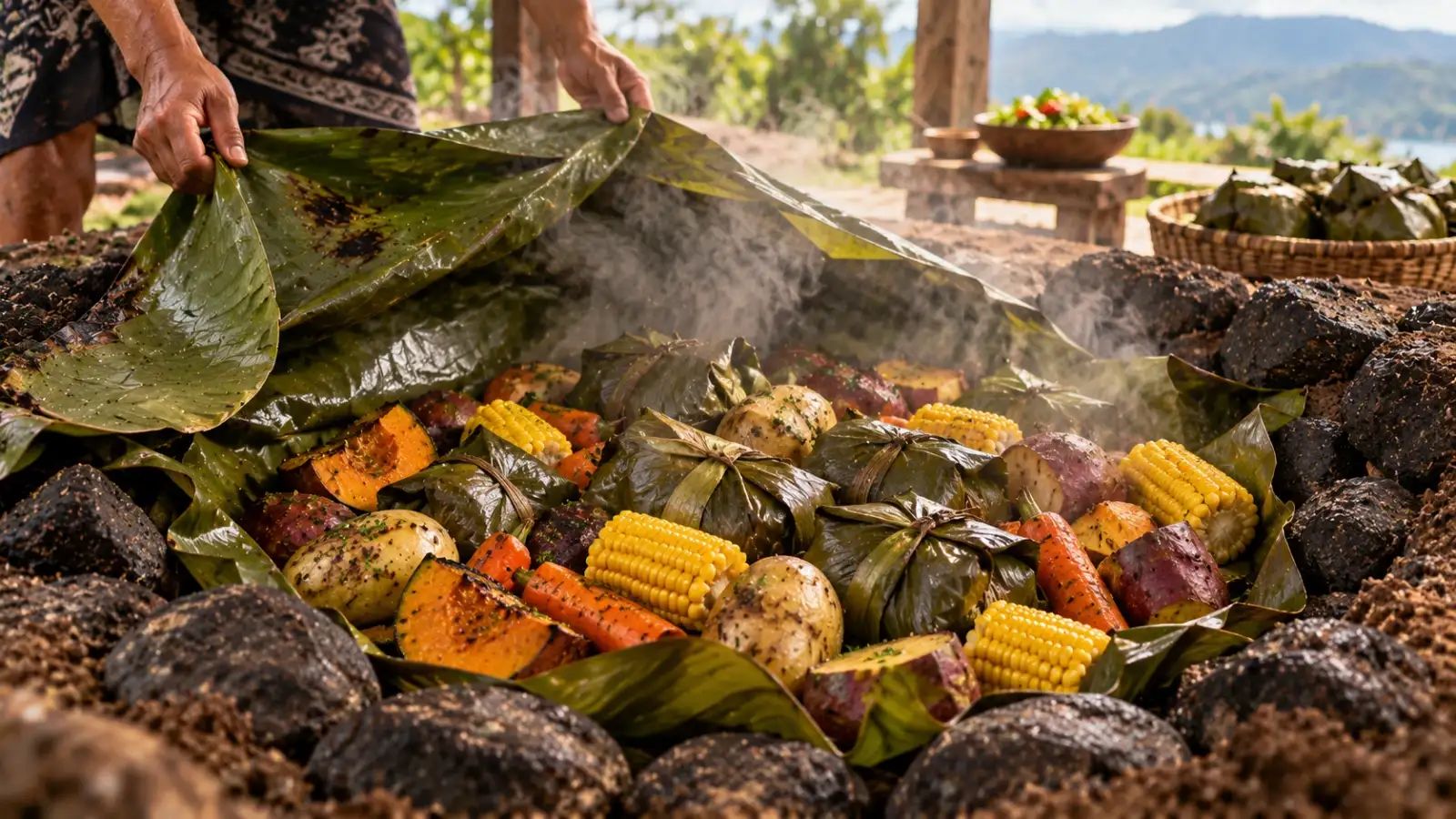
The technique can vary greatly from one culture to another. Sometimes food is placed directly on heated stones, while in other traditions hot stones are placed inside a container to bring liquid or food to a boil. These methods are closely connected to local landscapes, traditional knowledge and outdoor cooking.
Today, stone cooking remains an interesting part of food heritage. Here are eight traditional foods and cooking styles from around the world that demonstrate how heated stones can transform simple ingredients into memorable meals.
The pork is cooked slowly for several hours, allowing it to become tender and absorb a distinctive smoky and earthy flavour. Traditionally, the process is part of a larger communal meal and celebration.
While recreating an authentic imu at home is not practical for most people, the cooking method remains an important part of Hawaiian food culture. Modern versions often use ovens or slow cookers to imitate the tender texture.
Meat and vegetables are traditionally wrapped or placed in baskets before being positioned above the hot stones. The food is then covered and left to cook.
The slow process creates tender meat and vegetables with a distinctive earthy and smoky character. Hāngi is often associated with gatherings and celebrations, making the cooking method as much a social tradition as a culinary one.
The stones are heated before the food is placed into the pit. Layers of leaves and other natural materials help trap the heat and steam.
The result is a communal feast in which different ingredients cook together and absorb the flavours of the surrounding food. Seafood is particularly important, reflecting the island's coastal environment.
Clams, lobster, corn and potatoes are among the foods commonly associated with a clambake. Seaweed can also be used to help create steam as the ingredients cook.
The method is particularly suited to coastal gatherings because it combines local seafood with an outdoor cooking tradition. The result is less about elaborate seasoning and more about fresh ingredients, steam and smoky heat.
The hot stones gradually heat the liquid, allowing ingredients such as vegetables, grains or meat to cook even when a suitable cooking pot is unavailable.
Different communities have used variations of this method, making it difficult to connect stone-boiled food to one single recipe. Its importance lies in demonstrating how people adapted to their surroundings and found ways to cook using simple materials.
The stones are heated directly in a fire before being placed with the meat. The enclosed cooking environment allows the heat to circulate and gradually cook the ingredients.
Mutton is traditionally associated with khorkhog, and the dish is often prepared for gatherings. The heated stones are also sometimes handled carefully after cooking as part of the traditional eating experience.
Meat, potatoes, corn and other local ingredients are arranged in layers over the hot stones. The food is then covered with natural materials and earth, allowing it to cook slowly.
The method creates a distinctive combination of roasted, steamed and earthy flavours. It also reflects the importance of the land and agriculture in Andean food traditions.
The fish is placed on a clean, heated surface and cooked until the flesh becomes tender. Depending on the tradition, herbs, leaves or other natural materials may be used to protect the fish or add flavour.
While the exact preparation differs between regions, the basic principle remains remarkably simple. Heat the stone, place the food on it and allow the natural heat to do the work.
Hot stones provided an ingenious solution. They could retain heat for long periods and could be used in environments where conventional pots and ovens were unavailable.
Many stone-cooking traditions also have an important social element. Hāngi, pachamanca, curanto and other dishes are often prepared for groups rather than individual meals. Preparing the food can become a shared activity that brings families and communities together.
The method also creates flavours that can be difficult to reproduce using modern appliances. Slow cooking underground, contact with heated stones and steam trapped beneath leaves can give food an earthy, smoky or roasted character.
These traditions are a reminder that cooking does not always require sophisticated equipment. Fire, stones, fresh ingredients and knowledge passed down through generations can be enough to create remarkable food. For travellers interested in traditional food and cultural experiences, discovering these stone-cooked dishes offers a fascinating glimpse into how different communities have turned simple natural resources into memorable meals.
The technique can vary greatly from one culture to another. Sometimes food is placed directly on heated stones, while in other traditions hot stones are placed inside a container to bring liquid or food to a boil. These methods are closely connected to local landscapes, traditional knowledge and outdoor cooking.
Today, stone cooking remains an interesting part of food heritage. Here are eight traditional foods and cooking styles from around the world that demonstrate how heated stones can transform simple ingredients into memorable meals.
1. Hawaiian Kalua Pork : Slow Cooking in an Earth Oven
Kalua pork is a traditional Hawaiian dish associated with cooking food in an underground oven known as an imu. Heated stones are placed inside the earth oven along with layers of plant material before the meat is added.The pork is cooked slowly for several hours, allowing it to become tender and absorb a distinctive smoky and earthy flavour. Traditionally, the process is part of a larger communal meal and celebration.
While recreating an authentic imu at home is not practical for most people, the cooking method remains an important part of Hawaiian food culture. Modern versions often use ovens or slow cookers to imitate the tender texture.
2. Hāngi: New Zealand's Underground Stone Cooking
Hāngi is a traditional Māori method of cooking food in an earth oven. Stones are heated until extremely hot and placed into a pit, where they provide the heat needed to cook food slowly.Meat and vegetables are traditionally wrapped or placed in baskets before being positioned above the hot stones. The food is then covered and left to cook.
The slow process creates tender meat and vegetables with a distinctive earthy and smoky character. Hāngi is often associated with gatherings and celebrations, making the cooking method as much a social tradition as a culinary one.
3. Curanto: Chilean Food Cooked With Hot Stones
Curanto is a traditional dish associated with Chiloé Island in southern Chile. It is traditionally prepared in a large pit using heated stones, with layers of seafood, meat, potatoes and other ingredients.The stones are heated before the food is placed into the pit. Layers of leaves and other natural materials help trap the heat and steam.
The result is a communal feast in which different ingredients cook together and absorb the flavours of the surrounding food. Seafood is particularly important, reflecting the island's coastal environment.
4. New England Clambake: Seafood With Hot Stones
The traditional New England clambake in the United States uses hot stones to create a natural outdoor cooking environment. Stones are heated over a fire before seafood and other ingredients are layered above them.Clams, lobster, corn and potatoes are among the foods commonly associated with a clambake. Seaweed can also be used to help create steam as the ingredients cook.
The method is particularly suited to coastal gatherings because it combines local seafood with an outdoor cooking tradition. The result is less about elaborate seasoning and more about fresh ingredients, steam and smoky heat.
5. Stone-Boiled Soup: An Ancient Cooking Technique
Stone boiling is an ancient technique found in different cultures. It involves heating stones in a fire and then transferring them into a container filled with water or food.The hot stones gradually heat the liquid, allowing ingredients such as vegetables, grains or meat to cook even when a suitable cooking pot is unavailable.
Different communities have used variations of this method, making it difficult to connect stone-boiled food to one single recipe. Its importance lies in demonstrating how people adapted to their surroundings and found ways to cook using simple materials.
6. Mongolian Stone Cooking: Meat Cooked With Heated Stones
Mongolian cuisine includes traditional cooking techniques that make use of hot stones. One famous example is khorkhog, in which pieces of meat are cooked together with vegetables and heated stones inside a sealed container.The stones are heated directly in a fire before being placed with the meat. The enclosed cooking environment allows the heat to circulate and gradually cook the ingredients.
Mutton is traditionally associated with khorkhog, and the dish is often prepared for gatherings. The heated stones are also sometimes handled carefully after cooking as part of the traditional eating experience.
7. Andean Pachamanca: A Feast Beneath the Ground
Pachamanca is a traditional Peruvian cooking method in which food is cooked underground using heated stones. The technique has deep roots in the Andes and is associated with communal celebrations.Meat, potatoes, corn and other local ingredients are arranged in layers over the hot stones. The food is then covered with natural materials and earth, allowing it to cook slowly.
The method creates a distinctive combination of roasted, steamed and earthy flavours. It also reflects the importance of the land and agriculture in Andean food traditions.
You may also like
- In 2012, George Clooney co-founded the Satellite Sentinel Project, using satellite imagery to monitor human rights abuses and conflict in Sudan
- Meet Suneel Lodhi: The blind 25-year-old Bundelkhand singer who went from singing in local trains to 'Maine Tere Hi Bharose' in the superhit Hanuman Ansh
- Python found in a car in Dahisar, Mumbai: Common places snakes hide in cars, why they get inside and what you must check before starting the engine
- DIY: Stop throwing away dryer lint; 7 surprising ways to put it to good use at home
- 5-Step Homemade Hair Oil for Hair Fall: Try This
8. Stone-Grilled Fish: Cooking Directly on Heated Rock
In different parts of the world, people have traditionally cooked fish directly on heated stones or flat rocks. The technique is particularly practical in outdoor environments where cookware may be limited.The fish is placed on a clean, heated surface and cooked until the flesh becomes tender. Depending on the tradition, herbs, leaves or other natural materials may be used to protect the fish or add flavour.
While the exact preparation differs between regions, the basic principle remains remarkably simple. Heat the stone, place the food on it and allow the natural heat to do the work.
Why Stone Cooking Still Fascinates Us
Cooking with stones may seem unusual today, but it demonstrates an important part of human food history. Before modern cookware became widely available, people had to understand fire, heat and natural materials to prepare meals safely.Hot stones provided an ingenious solution. They could retain heat for long periods and could be used in environments where conventional pots and ovens were unavailable.
Many stone-cooking traditions also have an important social element. Hāngi, pachamanca, curanto and other dishes are often prepared for groups rather than individual meals. Preparing the food can become a shared activity that brings families and communities together.
The method also creates flavours that can be difficult to reproduce using modern appliances. Slow cooking underground, contact with heated stones and steam trapped beneath leaves can give food an earthy, smoky or roasted character.
These traditions are a reminder that cooking does not always require sophisticated equipment. Fire, stones, fresh ingredients and knowledge passed down through generations can be enough to create remarkable food. For travellers interested in traditional food and cultural experiences, discovering these stone-cooked dishes offers a fascinating glimpse into how different communities have turned simple natural resources into memorable meals.






Loving Newspoint? Download the app now
