
8 Travel Destinations Famous for Their Handmade Crafts Rather Than Monuments

Travel is often associated with famous landmarks, grand palaces and ancient monuments. But some of the most memorable places to visit are known for something much more personal. In certain towns and regions, generations of artisans have preserved traditional skills through pottery, weaving, woodwork, metalwork and other forms of handmade craft.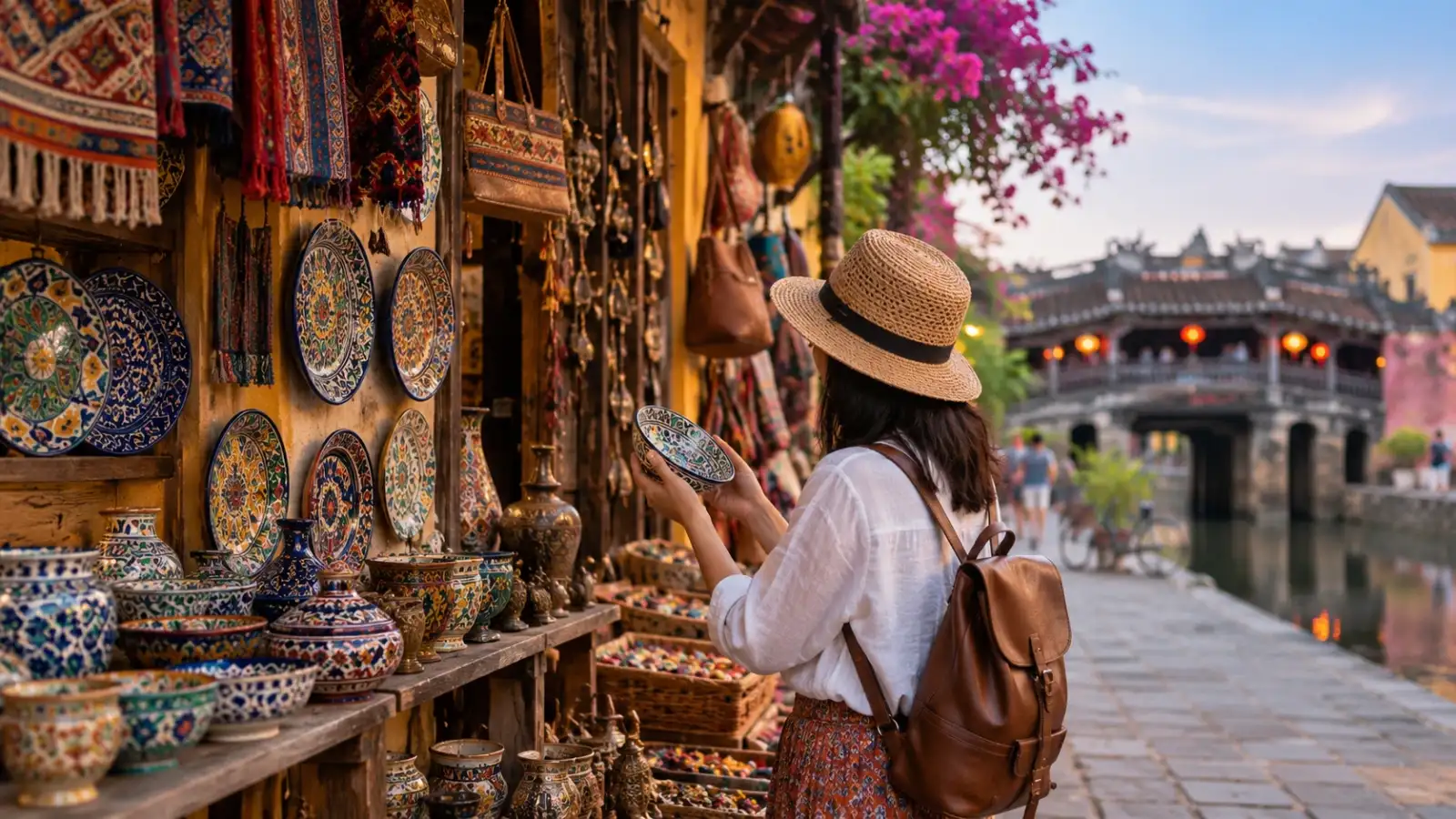
These destinations offer a different kind of travel experience. Instead of moving from one major attraction to another, visitors can explore workshops, watch craftspeople at work, browse local markets and discover how everyday objects are made by hand. The experience can also offer a closer look at the culture and history of a place.
If you enjoy buying locally made products or simply want to discover a different side of world travel, these eight destinations are worth adding to your list.
Walk through local markets and you will find colourful fabrics, hand-painted pottery, carved wooden objects and intricate jewellery. Many techniques have been passed down through generations, making the crafts an important part of the city's identity.
Visitors can also look for artisan workshops where they can see how traditional patterns are printed or how jewellery is shaped by hand. Shopping becomes more meaningful when you understand the skill and time behind each piece.
Many villages around Oaxaca have their own specialist craft traditions. Some are known for pottery, while others are associated with weaving or wood carving.
Local markets are a good place to begin, but visiting artisan workshops can offer a deeper experience. You can see materials being prepared, patterns being created and finished objects taking shape.
The beauty of Oaxaca's crafts lies in their variety. Bright colours and bold designs often reflect local traditions and the natural surroundings.
The city's leather tanning tradition is particularly well known. Craftspeople also create detailed tiles, decorative metalwork and hand-painted pottery.
Walking through the medina can feel like entering a working craft district rather than simply visiting a tourist attraction. Small workshops are tucked into the maze of streets, and the sounds of hammering, cutting and shaping become part of the experience.
For travellers interested in traditional crafts, Fez offers an opportunity to see skills that have remained important for centuries.
One of the most popular experiences is having clothing made to measure. Local tailors can create garments based on a customer's measurements and chosen fabric.
The town's colourful lanterns are another distinctive craft. Walking through the streets in the evening, when the lanterns are illuminated, shows how handmade objects can become part of the character of an entire destination.
Rather than simply buying souvenirs, visitors can take the time to learn about the techniques behind them.
Stone has played an important role in the area's history, and local artisans continue to work with materials inspired by the surrounding landscape. Visitors can also find handmade ceramics, textiles and other locally produced objects.
The city's narrow streets and stone architecture provide a natural setting for discovering small workshops and independent makers.
For travellers looking for an Italian destination beyond the usual large cities, Matera offers a combination of distinctive scenery, traditional skills and local creativity.
Local artisans create fabrics using traditional patterns and natural materials. Handmade paper is also produced using plant fibres and can be turned into decorative items, cards and other products.
Exploring craft markets allows visitors to see the variety of colours and patterns used by local makers. Buying directly from artisans or community-run shops can also provide a more meaningful souvenir while supporting traditional skills.
Visitors can discover beautifully made objects in specialist shops and craft markets. Some workshops also offer opportunities to learn traditional techniques.
Kyoto's crafts are often defined by attention to detail rather than bright decoration. A simple bowl, fan or piece of fabric can represent years of knowledge and careful practice.
For anyone interested in Japanese culture, exploring its craft traditions can provide a more intimate experience than simply visiting major tourist attractions.
Visitors can find handmade scarves, blankets, bags and other textiles in markets and artisan shops. In some communities, weaving demonstrations provide an opportunity to see how wool is prepared, dyed and transformed into intricate designs.
The appeal of these textiles goes beyond their appearance. Traditional patterns can carry cultural meanings and reflect the identity of the communities that produce them.
Craft-focused travel can also encourage more thoughtful shopping. A handmade object bought directly from an artisan can have a stronger connection to the place than a mass-produced souvenir.
It is worth taking time to visit small workshops, ask questions and learn about the people behind the products. Some destinations offer formal craft experiences, while in others the best discoveries may happen while walking through a local market.
The biggest attraction is often the human element. A handmade bowl, woven textile or carved figure carries evidence of someone's skill and patience. For travellers who want to return home with more than photographs, exploring the world's craft destinations can make a holiday feel much more personal.
These destinations offer a different kind of travel experience. Instead of moving from one major attraction to another, visitors can explore workshops, watch craftspeople at work, browse local markets and discover how everyday objects are made by hand. The experience can also offer a closer look at the culture and history of a place.
If you enjoy buying locally made products or simply want to discover a different side of world travel, these eight destinations are worth adding to your list.
1. Jaipur, India: A City of Colourful Crafts
Jaipur is widely known for its palaces and forts, but its craft traditions are equally fascinating. The capital of Rajasthan has a long history of block printing, blue pottery, jewellery making, textiles and traditional handicrafts.Walk through local markets and you will find colourful fabrics, hand-painted pottery, carved wooden objects and intricate jewellery. Many techniques have been passed down through generations, making the crafts an important part of the city's identity.
Visitors can also look for artisan workshops where they can see how traditional patterns are printed or how jewellery is shaped by hand. Shopping becomes more meaningful when you understand the skill and time behind each piece.
2. Oaxaca, Mexico: Traditional Art in Everyday Life
Oaxaca is one of Mexico's most interesting destinations for travellers who love handmade crafts . The region is particularly known for colourful textiles, pottery, woven goods and carved wooden figures called alebrijes.Many villages around Oaxaca have their own specialist craft traditions. Some are known for pottery, while others are associated with weaving or wood carving.
Local markets are a good place to begin, but visiting artisan workshops can offer a deeper experience. You can see materials being prepared, patterns being created and finished objects taking shape.
The beauty of Oaxaca's crafts lies in their variety. Bright colours and bold designs often reflect local traditions and the natural surroundings.
3. Fez, Morocco: A Living Craft Tradition
Fez is famous for its historic medina, but its traditional crafts are one of the most interesting reasons to explore the city. The narrow streets are home to artisans working with leather, metal, wood, ceramics and textiles.The city's leather tanning tradition is particularly well known. Craftspeople also create detailed tiles, decorative metalwork and hand-painted pottery.
Walking through the medina can feel like entering a working craft district rather than simply visiting a tourist attraction. Small workshops are tucked into the maze of streets, and the sounds of hammering, cutting and shaping become part of the experience.
For travellers interested in traditional crafts, Fez offers an opportunity to see skills that have remained important for centuries.
4. Hoi An, Vietnam: Tailoring and Traditional Handicrafts
Hoi An is known for its lantern-filled streets and historic architecture, but its artisan culture is another major attraction. The Vietnamese town has a long association with tailoring, embroidery, woodwork and handmade lanterns.One of the most popular experiences is having clothing made to measure. Local tailors can create garments based on a customer's measurements and chosen fabric.
The town's colourful lanterns are another distinctive craft. Walking through the streets in the evening, when the lanterns are illuminated, shows how handmade objects can become part of the character of an entire destination.
Rather than simply buying souvenirs, visitors can take the time to learn about the techniques behind them.
5. Matera, Italy: Traditional Craftsmanship in Stone
Matera is internationally recognised for its ancient cave dwellings and dramatic landscape, but the city also has a strong tradition of local craftsmanship .Stone has played an important role in the area's history, and local artisans continue to work with materials inspired by the surrounding landscape. Visitors can also find handmade ceramics, textiles and other locally produced objects.
The city's narrow streets and stone architecture provide a natural setting for discovering small workshops and independent makers.
For travellers looking for an Italian destination beyond the usual large cities, Matera offers a combination of distinctive scenery, traditional skills and local creativity.
6. Luang Prabang, Laos: Textiles and Handmade Paper
Luang Prabang is a peaceful destination in northern Laos where traditional crafts remain closely connected to local life. The town is known for textiles, weaving, handmade paper and other traditional products.Local artisans create fabrics using traditional patterns and natural materials. Handmade paper is also produced using plant fibres and can be turned into decorative items, cards and other products.
Exploring craft markets allows visitors to see the variety of colours and patterns used by local makers. Buying directly from artisans or community-run shops can also provide a more meaningful souvenir while supporting traditional skills.
7. Kyoto, Japan: Centuries of Artisan Skills
Kyoto is certainly home to famous temples and historic sites, but the city has another identity built around craftsmanship. Traditional Japanese skills including ceramics, textiles, lacquerware, bamboo work and paper making continue to influence local culture.Visitors can discover beautifully made objects in specialist shops and craft markets. Some workshops also offer opportunities to learn traditional techniques.
Kyoto's crafts are often defined by attention to detail rather than bright decoration. A simple bowl, fan or piece of fabric can represent years of knowledge and careful practice.
For anyone interested in Japanese culture, exploring its craft traditions can provide a more intimate experience than simply visiting major tourist attractions.
8. Cusco, Peru: Textiles With Cultural Meaning
Cusco is surrounded by spectacular landscapes and archaeological sites, but its traditional textile culture deserves just as much attention. Weaving has deep roots in the Andes, with patterns, colours and techniques often connected to local communities.Visitors can find handmade scarves, blankets, bags and other textiles in markets and artisan shops. In some communities, weaving demonstrations provide an opportunity to see how wool is prepared, dyed and transformed into intricate designs.
The appeal of these textiles goes beyond their appearance. Traditional patterns can carry cultural meanings and reflect the identity of the communities that produce them.
Why Craft-Focused Travel Is Worth Trying
Visiting a destination through its crafts can change the way you experience it. Instead of simply photographing buildings, you begin to notice materials, colours, patterns and techniques that reveal something about local culture.Craft-focused travel can also encourage more thoughtful shopping. A handmade object bought directly from an artisan can have a stronger connection to the place than a mass-produced souvenir.
It is worth taking time to visit small workshops, ask questions and learn about the people behind the products. Some destinations offer formal craft experiences, while in others the best discoveries may happen while walking through a local market.
The biggest attraction is often the human element. A handmade bowl, woven textile or carved figure carries evidence of someone's skill and patience. For travellers who want to return home with more than photographs, exploring the world's craft destinations can make a holiday feel much more personal.
Next Story